In modern manufacturing, laser cutting technology has become indispensable for precision metal fabrication. However, even the most advanced laser cutting systems can encounter operational issues, with sensor failure in the cutting head being a particularly disruptive problem. This malfunction can lead to inaccurate cuts, material waste, and costly downtime. Understanding the root causes, recognizing the symptoms, and implementing effective solutions are crucial for maintaining productivity and ensuring the longevity of your equipment.
Laser cutting heads rely on a network of sensors to function correctly. These sensors monitor critical parameters such as nozzle distance, temperature, gas pressure, and beam alignment. When one or more sensors fail, the system loses its ability to make real-time adjustments, compromising cut quality. Common symptoms of sensor failure include irregular cutting edges, unexpected piercing errors, inconsistent kerf width, and frequent system alarms indicating "sensor error" or "head collision" warnings. Operators might also notice the cutting head failing to maintain a consistent stand-off distance from the material surface, often resulting in crashes or poor finish quality.
Several factors can contribute to sensor malfunction. The primary cause is environmental contamination. Laser cutting generates substantial amounts of dust, molten spatter, and fumes. Over time, these contaminants can coat sensor lenses and probes, obstructing their ability to take accurate readings. For instance, a dirty capacitive height sensor may incorrectly gauge the distance to the material, causing the head to move too close or too far. Regular cleaning schedules are essential, but in high-production environments, contamination can accumulate rapidly.

Another prevalent cause is mechanical wear and physical damage. Sensors, especially contact probes or those with moving parts, are subject to constant vibration and occasional collisions. A minor crash or misalignment can bend a sensor probe or crack its housing. Even non-contact optical sensors can suffer from misalignment if the cutting head experiences a significant impact. Electrical issues, such as faulty wiring, loose connections, or degraded cables from constant motion, can also interrupt sensor signals. Power surges or electromagnetic interference from other factory equipment may further destabilize sensitive sensor electronics.
Thermal stress is a frequently overlooked factor. Laser cutting heads operate in high-temperature environments. Prolonged exposure to intense heat can degrade sensor components, particularly plastic housings or sensitive electronic circuits. Thermal expansion can also alter calibration over time. Additionally, the assist gas, often oxygen or nitrogen, can introduce moisture if not properly filtered, leading to corrosion on sensor contacts and connectors.
Addressing sensor failure requires a systematic approach. The first step is accurate diagnostics. Modern laser cutters are equipped with diagnostic software that can pinpoint which sensor is triggering the fault code. Operators should consult the machine's error log and manual to interpret these codes correctly. Visual inspection is equally important. Check for obvious signs of contamination, physical damage, or loose cables. Use appropriate cleaning tools, such as lint-free swabs and approved optical cleaners, to gently remove debris from sensor surfaces. Compressed air can be used cautiously to dislodge dust, but avoid directing it in a way that might push contaminants deeper into the assembly.
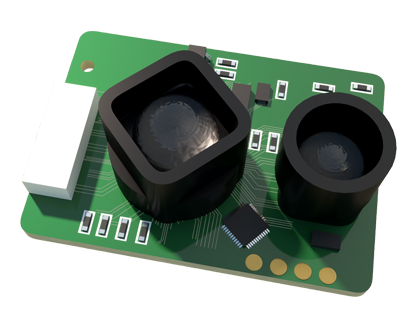
For mechanical or electrical failures, component replacement is often necessary. It is critical to use OEM (Original Equipment Manufacturer) or high-quality compatible parts. Installing a substandard sensor might solve the immediate problem but can lead to recurring issues and void warranties. When replacing sensors, precise recalibration is mandatory. Follow the manufacturer's calibration procedure to the letter, using the recommended calibration tools and test materials. This ensures the new sensor integrates seamlessly with the cutting head's control system.
Preventive maintenance is the most effective strategy against sensor failure. Implement a robust maintenance schedule that includes daily visual checks, weekly cleaning of critical sensor areas, and monthly comprehensive inspections of all electrical connections. Consider upgrading to sensors with higher IP (Ingress Protection) ratings if contamination is a persistent issue. Installing additional air purges or protective shrouds around vulnerable sensors can shield them from spatter and dust. Furthermore, maintaining a stable environment in the workshop—controlling ambient temperature, humidity, and airborne particulates—can significantly extend sensor life.
Training for machine operators is paramount. Operators should be trained to recognize early warning signs of sensor issues, understand basic troubleshooting, and know when to call for technical support. Encouraging a culture of proactive reporting for minor irregularities can prevent small problems from escalating into major breakdowns.
In conclusion, laser cutting head sensor failure is a complex issue stemming from contamination, mechanical stress, electrical problems, and thermal factors. While reactive repairs are sometimes unavoidable, a focus on systematic diagnostics, proper component replacement, and, above all, a disciplined preventive maintenance regimen will minimize unplanned downtime. By prioritizing sensor health, manufacturers can protect their investment, ensure consistent cut quality, and maintain a smooth, efficient production flow.