In today's rapidly advancing industrial landscape, the demand for accuracy, reliability, and efficiency has never been higher. At the heart of many automated systems and quality assurance processes lies a critical component: the precision proximity sensor. These sophisticated devices detect the presence, absence, or position of an object without any physical contact, enabling seamless and contamination-free operation in diverse applications. Unlike standard proximity sensors, precision variants offer exceptionally high repeatability, minimal hysteresis, and superior resolution, making them indispensable in environments where even a micron-level deviation can lead to significant product defects or system failures.
The core technology behind precision proximity sensors varies, with inductive, capacitive, and photoelectric types being the most prevalent. Inductive sensors excel in detecting metallic objects by generating an electromagnetic field. Their precision versions are calibrated to sense specific metals at exact distances with remarkable consistency, often used in CNC machining for tool positioning or in assembly lines for part verification. Capacitive sensors, on the other hand, can detect both metallic and non-metallic materials, including liquids, plastics, and glass, by measuring changes in capacitance. High-precision capacitive sensors are vital in industries like semiconductor manufacturing, where they monitor wafer thickness or control fluid levels in etching processes without contact. Photoelectric precision sensors utilize light beams, typically infrared or laser, to detect objects with extreme accuracy. They are favored in packaging, pharmaceuticals, and electronics for tasks such as counting tiny components, verifying label placement, or ensuring precise fill levels in vials.
One of the defining characteristics of precision proximity sensors is their ability to maintain performance under challenging conditions. Factors like temperature fluctuations, electrical noise, vibration, and material surface variations can impair standard sensors. However, precision models incorporate advanced shielding, temperature compensation circuits, and robust housing designs to ensure stable output. For instance, in automotive manufacturing, where robotic arms weld chassis parts, precision inductive sensors consistently detect bracket positions despite ambient heat and electromagnetic interference from motors, preventing misalignments that could compromise vehicle safety. Similarly, in food and beverage production, precision capacitive sensors accurately monitor liquid levels in stainless steel tanks, resisting condensation and residue buildup to maintain hygiene and prevent overflows.
The integration of precision proximity sensors with Industry 4.0 frameworks has further amplified their value. Modern sensors often feature IO-Link communication, enabling real-time data exchange with programmable logic controllers (PLCs) or cloud-based systems. This connectivity allows for predictive maintenance, as sensors can report operational parameters like switch cycles or internal temperature, alerting technicians to potential issues before downtime occurs. In smart factories, data from precision sensors feed into digital twins—virtual replicas of physical processes—optimizing production flow and minimizing waste. For example, a precision photoelectric sensor on a conveyor belt can measure the exact dimensions of each passing item, adjusting robotic grippers in real-time for customized packaging, thereby enhancing flexibility and reducing material usage.
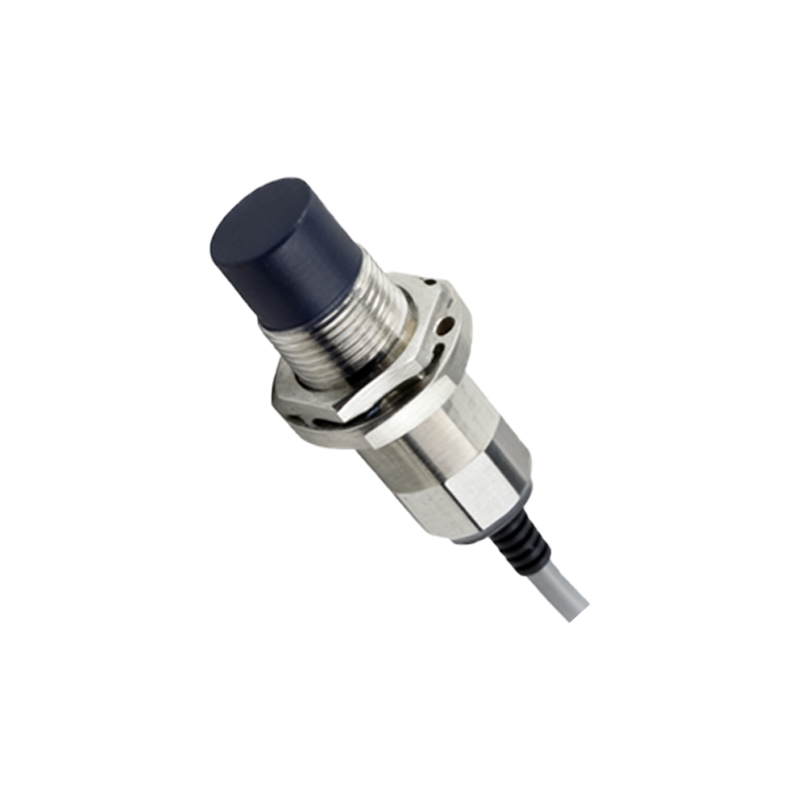
Selecting the right precision proximity sensor requires careful consideration of application specifics. Key parameters include sensing distance, response time, output type (e.g., analog voltage, digital PNP/NPN), and environmental ratings like IP67 for dust and water resistance. For high-speed sorting machines, a sensor with a sub-millisecond response time is crucial to maintain throughput without errors. In cleanrooms or medical device assembly, sensors with non-magnetic stainless steel housings prevent particle generation and withstand frequent sterilization. Calibration and installation also play pivotal roles; even the most advanced sensor must be properly aligned and configured to achieve its stated precision. Many manufacturers offer tunable models with teach-in functions, allowing engineers to set detection thresholds on-site for tailored performance.
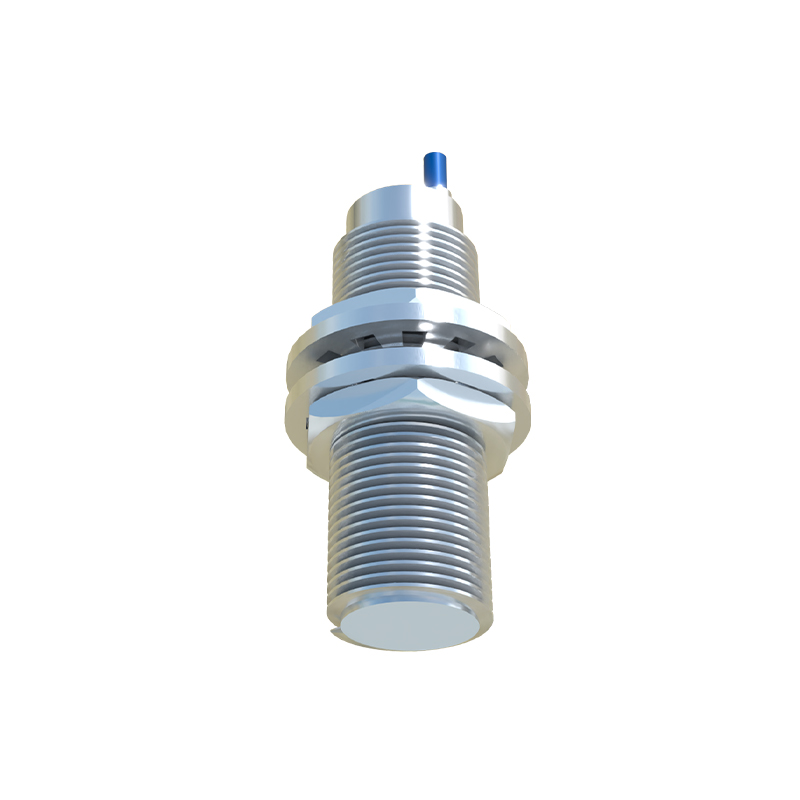
Looking ahead, innovations in miniaturization and material science are pushing the boundaries of what precision proximity sensors can achieve. Emerging designs incorporate MEMS (Micro-Electro-Mechanical Systems) technology to create ultra-compact sensors for micro-robotics or wearable devices. Additionally, the development of sensors resistant to extreme chemicals or high-pressure environments expands their use in oil and gas exploration or chemical processing plants. As artificial intelligence and machine learning algorithms become more accessible, sensor data will increasingly drive autonomous decision-making, enabling fully adaptive manufacturing lines that self-optimize based on real-time feedback from these precise detection units.
Ultimately, precision proximity sensors are more than mere switches; they are enablers of quality, safety, and innovation across sectors. From ensuring the flawless assembly of smartphone components to guiding surgical robots in healthcare, their role in minimizing human error and enhancing operational consistency is profound. As industries continue to pursue higher standards, the evolution of these sensors will remain integral to technological progress, solidifying their status as foundational elements in the automated world.