Capacitive proximity sensors are indispensable components in modern industrial automation, known for their ability to detect both metallic and non-metallic objects through changes in capacitance. Their pricing is a critical factor for engineers, procurement specialists, and system integrators when selecting components for applications ranging from liquid level detection and material handling to packaging and assembly lines. Unlike their inductive counterparts, capacitive sensors can "see through" certain non-conductive materials, offering unique versatility that influences their market value.
The price spectrum for capacitive proximity sensors is broad, typically ranging from $20 to $200 or more per unit. This variance is not arbitrary but is directly tied to a constellation of technical specifications and environmental ratings. A fundamental cost driver is the sensing range. Standard sensors with a range of a few millimeters are generally at the lower end of the price scale. As the required sensing distance increases to 15mm, 25mm, or even 40mm, the complexity of the internal oscillator and electrode design rises, leading to a significant increase in price. For instance, a standard 8mm range sensor might cost around $35, while a specialized model with a 40mm range could easily exceed $150.
Another pivotal factor is the housing material and the Ingress Protection (IP) rating. Economical models with plastic (PBT) housings and an IP67 rating, suitable for most factory floor environments, offer a cost-effective solution. However, for harsh environments involving high-pressure washdowns, corrosive chemicals, or extreme temperatures, sensors with stainless steel housings (often V4A/AISI 316L) and IP68 or IP69K ratings are necessary. This enhanced durability and sealing technology contribute to a price premium that can be 50% to 100% higher than standard models.
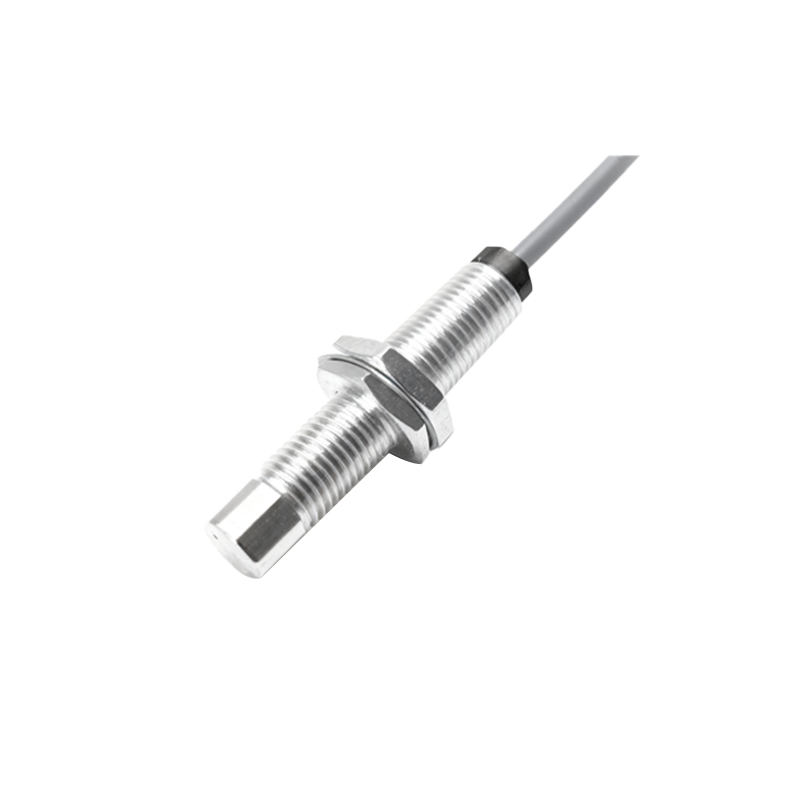
Electrical output type and connection method also play a substantial role in cost. Basic 3-wire DC (PNP or NNP) sensors with cable or M12 connector outputs are the most common and affordable. Models with analog outputs (4-20mA, 0-10V) for distance-proportional signaling, or those with IO-Link digital communication for advanced diagnostics and parameter setting, command higher prices due to their integrated intelligence and functionality. The inclusion of features like short-circuit protection, reverse polarity protection, and temperature compensation further adds to the component cost but enhances reliability.
Brand reputation and supply chain logistics are equally important in the pricing equation. Established global brands like Sick, Pepperl+Fuchs, Omron, and Balluff are associated with high reliability, extensive R&D, and global technical support, which is reflected in their premium pricing. Their sensors often undergo rigorous testing and certification (e.g., UL, CE), adding to the cost. In contrast, value-oriented brands or generic suppliers, often from Asian markets, offer competitively priced alternatives that can be 30-60% cheaper, though potentially with longer lead times or varying levels of quality consistency and warranty support.
The purchasing volume is a universal lever on price. OEMs integrating sensors into large production runs can negotiate substantial discounts through direct contracts with manufacturers or authorized distributors. For MRO (Maintenance, Repair, and Operations) purchases or small project needs, buying from industrial distributors like Digi-Key, Mouser, or RS Components typically means paying list price, though occasional stock clearance sales can present opportunities.
Current market trends indicate that prices are experiencing moderate pressure from two sides. Rising costs of raw materials (copper, plastics, semiconductors) and global shipping are pushing prices upward. Conversely, increased competition and the maturation of manufacturing processes for standard sensor types are exerting a downward pull. The growing adoption of Industry 4.0 is fueling demand for smart sensors with communication capabilities, shifting the average selling price upward as the market moves towards more feature-rich, connected devices.
For buyers, the optimal strategy involves a clear assessment of the application's non-negotiable requirements—such as required sensing distance, target material, environmental conditions, and necessary certifications. Over-specifying a sensor with capabilities far beyond the application's needs is a common source of unnecessary cost. Engaging with technical sales representatives from multiple suppliers for sample testing and formal quotations is highly recommended to secure the best balance of performance, durability, and price for a specific use case.