In industrial settings where extreme heat is a constant factor, the reliability of electronic components can mean the difference between seamless operation and catastrophic failure. High temperature proximity sensors stand as a critical line of defense, providing accurate, non-contact detection of objects in environments that would render standard sensors useless. These specialized devices are engineered to withstand and perform reliably in ambient temperatures that often exceed 150°C (302°F), with some models capable of operating in conditions soaring above 200°C (392°F) or even higher.
The core challenge in designing these sensors lies in the materials and construction. Standard semiconductors and plastics degrade rapidly under intense thermal stress. Therefore, high-temperature variants utilize advanced materials such as ceramic printed circuit boards (PCBs), high-temperature solder alloys, specialized high-temperature wire insulation like PTFE (Teflon), and robust, heat-resistant housing materials like stainless steel or specific engineered polymers. The sensing technology itself, whether inductive, capacitive, or photoelectric, is adapted with components rated for thermal endurance.
Inductive proximity sensors are among the most common for metallic target detection in hot zones. In high-temperature models, the coil is wound with high-grade wire and potted with temperature-resistant compounds to prevent movement and insulation breakdown. The oscillator and signal processing circuitry are designed with wide-temperature-range components. These sensors are indispensable in applications like die-casting, forging, foundries, and near heat treatment furnaces, where they monitor the position of molds, billets, or machine parts.
Capacitive sensors, used for detecting both metallic and non-metallic materials, face similar challenges. Their stability is paramount, as capacitance can drift with temperature. Advanced designs incorporate compensation circuits to nullify this drift, ensuring consistent detection thresholds. This makes them valuable in high-temperature processing of plastics, glass, or ceramics, and in monitoring material levels within hot silos or vessels.
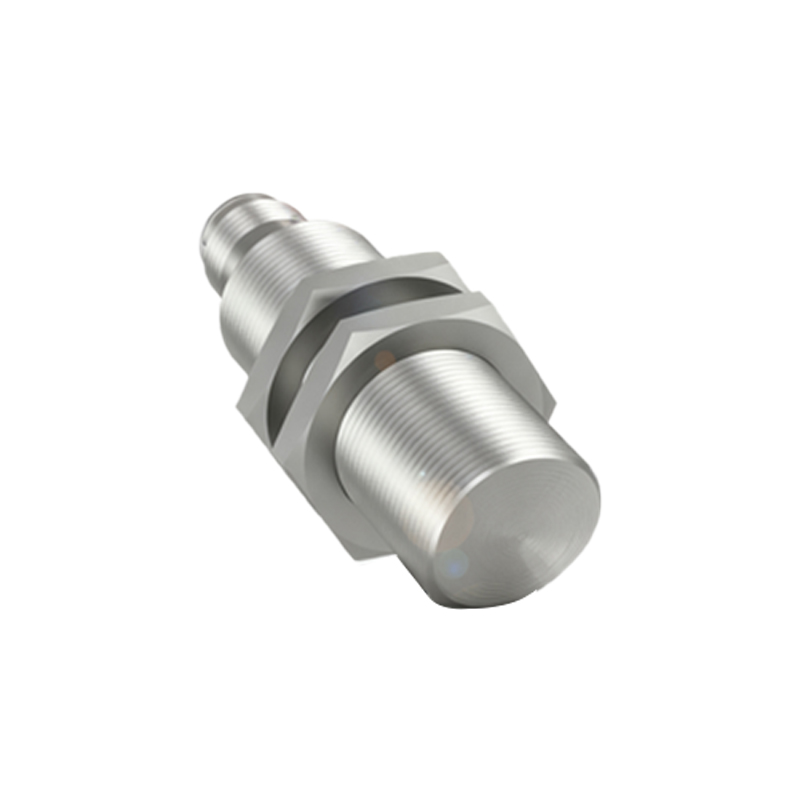
The selection process for a high-temperature proximity sensor goes beyond just the stated maximum ambient temperature. Engineers must consider several key factors. Thermal cycling—the repeated heating and cooling—can cause fatigue in materials, leading to failure. The sensor's housing design must manage heat dissipation effectively. Another critical aspect is the temperature of the target object itself; a red-hot piece of metal will radiate intense heat towards the sensor face, potentially creating a localized hotspot far exceeding the ambient rating. Solutions often involve increased mounting distances, use of protective baffles or heat shields, and selecting sensors with explicitly rated "target temperature" limits.
Installation and wiring are equally important. Even with a robust sensor, using standard PVC-insulated cables in a high-temperature environment will lead to insulation meltdown and short circuits. It is essential to use complementary high-temperature cabling and connectors throughout the system. Proper mounting, often with generous air gaps for convection cooling as per manufacturer guidelines, is crucial for achieving the promised performance and lifespan.
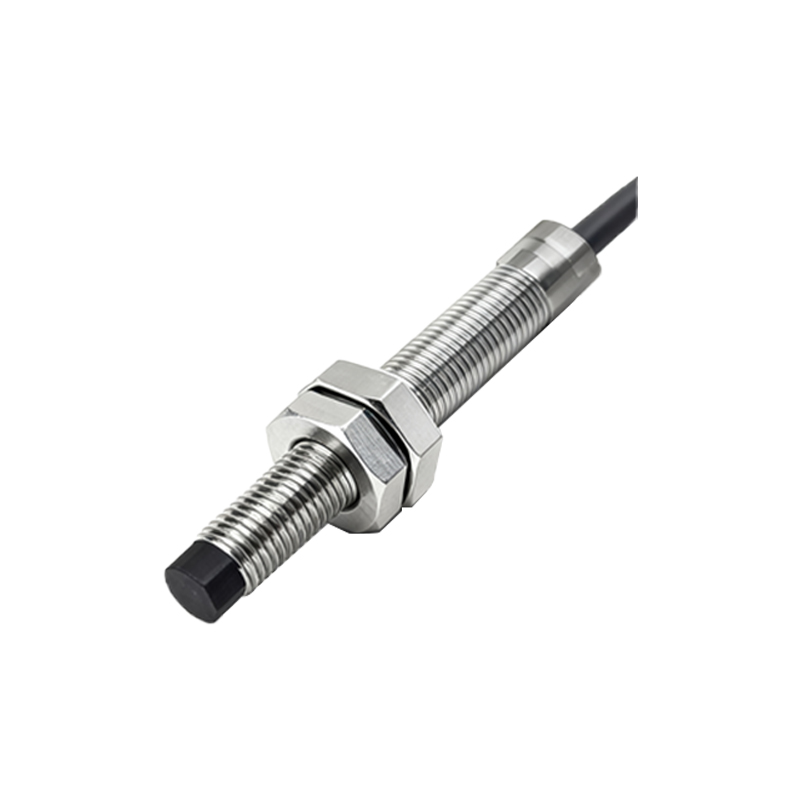
The benefits of implementing the correct high-temperature sensor are substantial. They dramatically reduce unplanned downtime caused by sensor failure, lower maintenance costs by extending replacement intervals, and enhance overall process safety and quality control. By providing reliable feedback in the heart of thermal processes, they enable automation and precise control that would otherwise be impossible.
From monitoring turbine blades in aerospace test stands to ensuring proper positioning in semiconductor wafer fabrication under intense heat, the applications are vast and growing. As industrial processes push the boundaries of efficiency and temperature, the evolution of these sensors continues. Emerging trends include the integration of advanced diagnostics for predictive maintenance and the development of sensors using wide-bandgap semiconductors like Silicon Carbide (SiC), which offer inherent stability at even higher temperatures.
In conclusion, high temperature proximity sensors are not merely standard sensors placed in a hotter box. They are the product of specialized engineering focused on material science, thermal management, and signal integrity. Specifying the right sensor requires a thorough understanding of the application's thermal profile—both ambient and target-related. When selected and installed correctly, they become a reliable and indispensable component, ensuring that automation and precision thrive even in the most unforgiving thermal environments.