In the world of industrial automation and modern machinery, there is a silent guardian ensuring safety, precision, and efficiency. This guardian is the proximity sensor. Unlike human operators, these sensors don't get tired, distracted, or need breaks. They are the fundamental components that allow machines to "sense" the presence or absence of an object without any physical contact. From the assembly lines of automotive giants to the delicate mechanisms inside a smartphone, proximity sensors are ubiquitous, yet often overlooked.
At its core, a proximity sensor is a device that detects the presence of a nearby object. It does this by emitting an electromagnetic field or a beam of electromagnetic radiation, often infrared light, and then looking for changes in the field or the return signal. The key principle is non-contact detection. This eliminates mechanical wear and tear, allows for high-speed operation, and enables use in harsh environments where physical contact is impractical or dangerous.
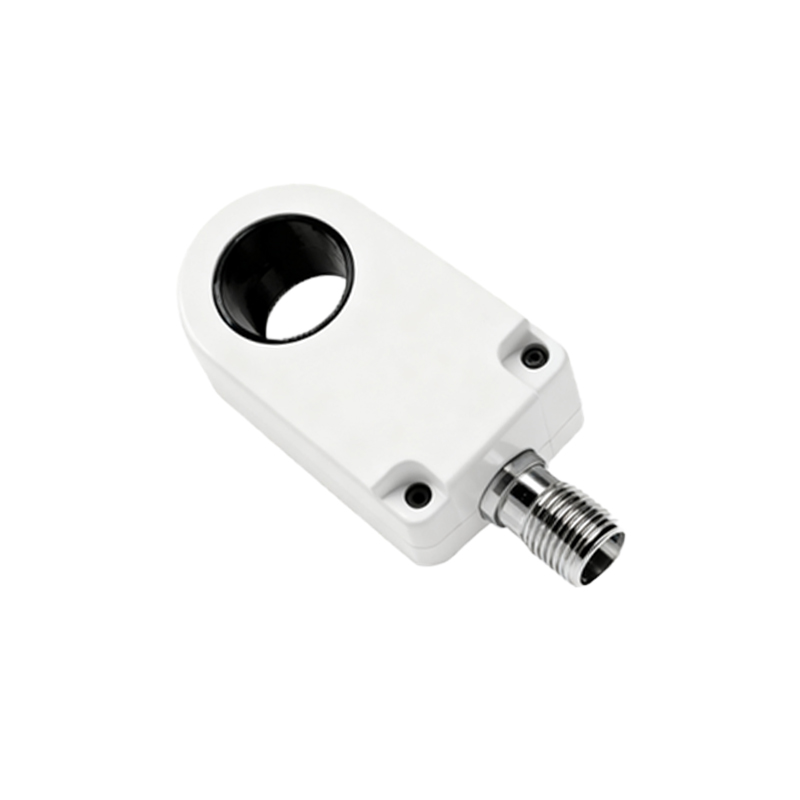
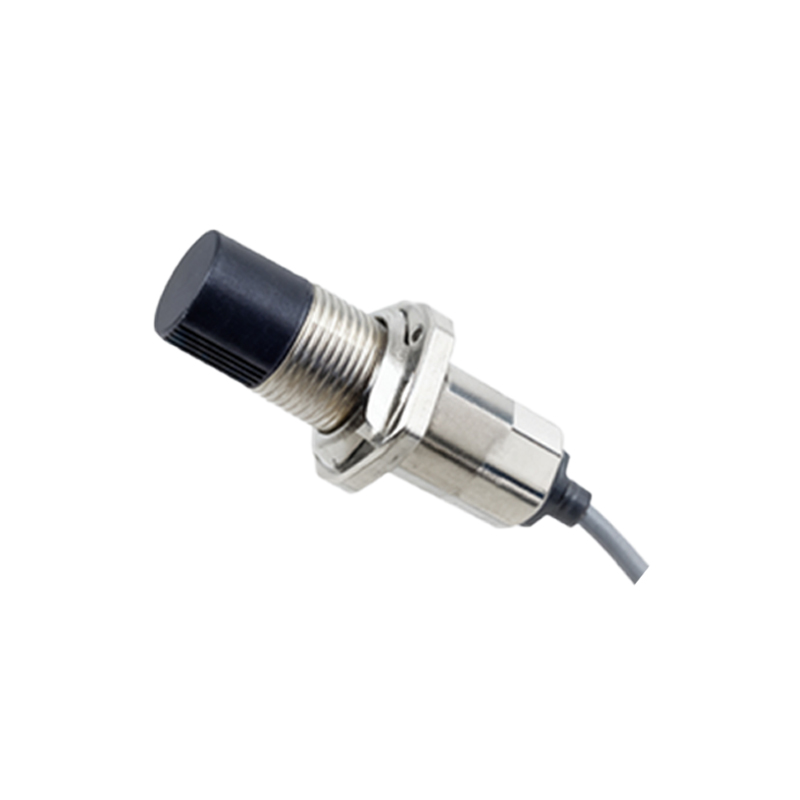
Several primary technologies power these sensors, each with its own strengths and ideal applications. Inductive proximity sensors are the workhorses of metal detection. They generate an oscillating electromagnetic field. When a metallic object enters this field, it induces eddy currents within the metal, which dampens the oscillation of the sensor's own circuit. The sensor detects this damping and triggers a switch. You'll find these robust sensors counting metal parts, detecting piston position in cylinders, or ensuring a robotic arm has picked up a component.
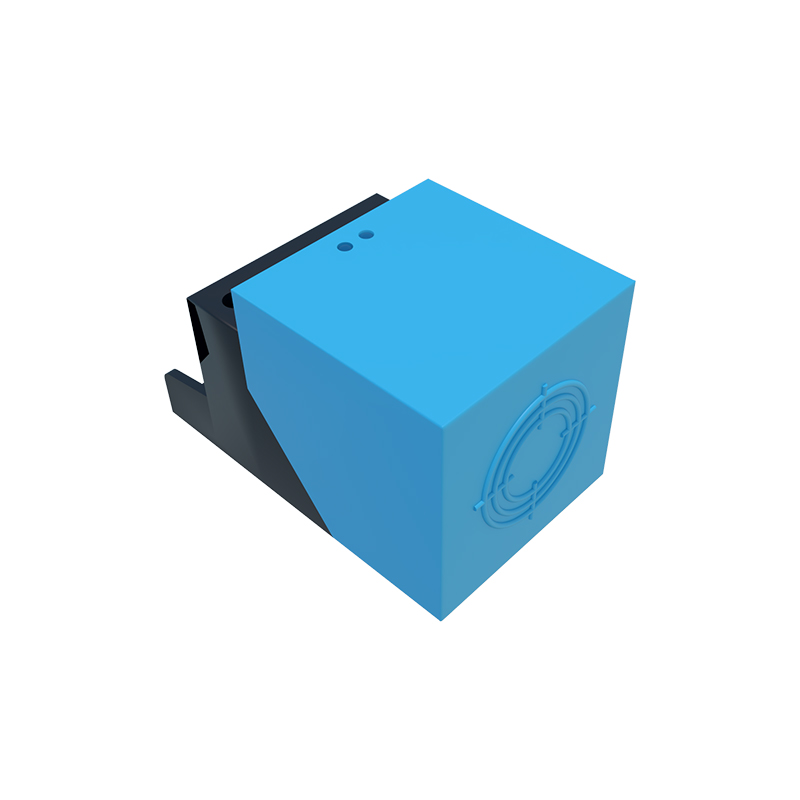
For detecting non-metallic objects—wood, plastic, glass, liquids, and virtually any material—capacitive proximity sensors are the tool of choice. They function similarly to inductive sensors but generate an electrostatic field. Any object that enters this field changes the sensor's capacitance, triggering detection. This makes them perfect for level detection in tanks (liquid or granular materials), detecting filled packages on a conveyor belt, or even as touch-sensitive buttons.
Another major category is the photoelectric sensor, which uses light. An emitter sends out a beam of light (visible red, infrared, or laser). A receiver detects this light. The presence of an object is detected either by it interrupting the beam (through-beam), reflecting the beam back to a receiver housed in the same unit (retro-reflective), or diffusing the beam back (diffuse reflective). These sensors offer very long sensing ranges and can detect tiny objects, making them essential in packaging, material handling, and safety light curtains.
Ultrasonic sensors use sound waves beyond human hearing. They emit ultrasonic pulses and measure the time it takes for the echo to return. By calculating this time-of-flight, they can not only detect an object's presence but also precisely measure its distance. This technology excels in challenging environments with dust, smoke, or vapors, and is used for tasks like bulk level sensing, loop control in winding machines, and robot palletizing.
The benefits of integrating proximity sensors into machinery are profound. First and foremost is safety. Sensors can create zones where machinery automatically slows down or stops if a person or object enters, a concept central to modern collaborative robotics. Secondly, they enable precision and repeatability. A sensor can ensure a drill bit begins its operation only when a part is perfectly positioned, eliminating errors and waste. Thirdly, they boost efficiency by allowing for higher machine speeds and continuous, automated operation without manual intervention for detection tasks.
When selecting a proximity sensor for a machine, engineers must consider several factors: the material of the target object, the required sensing distance, the environmental conditions (temperature, moisture, chemicals), the required response speed, and the electrical output needed (e.g., NPN/PNP transistor, analog). Installation is also critical; proper alignment, mounting, and shielding from electrical noise ensure reliable performance.
Looking ahead, the evolution of proximity sensors is tied to Industry 4.0 and the Industrial Internet of Things (IIoT). Modern sensors are becoming smarter, with integrated diagnostics, IO-Link communication for parameterization and data exchange, and the ability to provide predictive maintenance data. They are no longer just simple switches but intelligent data points on the factory network.
In conclusion, proximity sensors are the essential sensory organs of modern industrial equipment. They provide the critical data point of "object here" or "object not here" that automated systems rely on to function intelligently. Their silent, relentless operation underpins the safety, quality, and productivity that define advanced manufacturing and machinery today. Understanding their function and application is key for anyone involved in designing, maintaining, or operating automated systems.