In the rapidly evolving landscape of industrial automation and smart technology, the demand for reliable, precise, and durable sensing solutions has never been greater. Among the key components enabling this technological advancement are proximity sensors, devices designed to detect the presence or absence of an object without physical contact. Reoth, as a notable provider in this field, offers a range of proximity sensors engineered to meet the rigorous demands of various applications, from manufacturing assembly lines to sophisticated robotic systems.
Proximity sensors function by emitting an electromagnetic field or a beam of electromagnetic radiation, such as infrared light, and then monitoring for changes in the field or return signal. The primary advantage of this non-contact method is the elimination of mechanical wear and tear, leading to significantly longer operational lifespans and reduced maintenance costs compared to mechanical limit switches. Reoth proximity sensors are typically built around robust sensing technologies, including inductive, capacitive, and photoelectric principles, each suited for specific material types and environmental conditions.
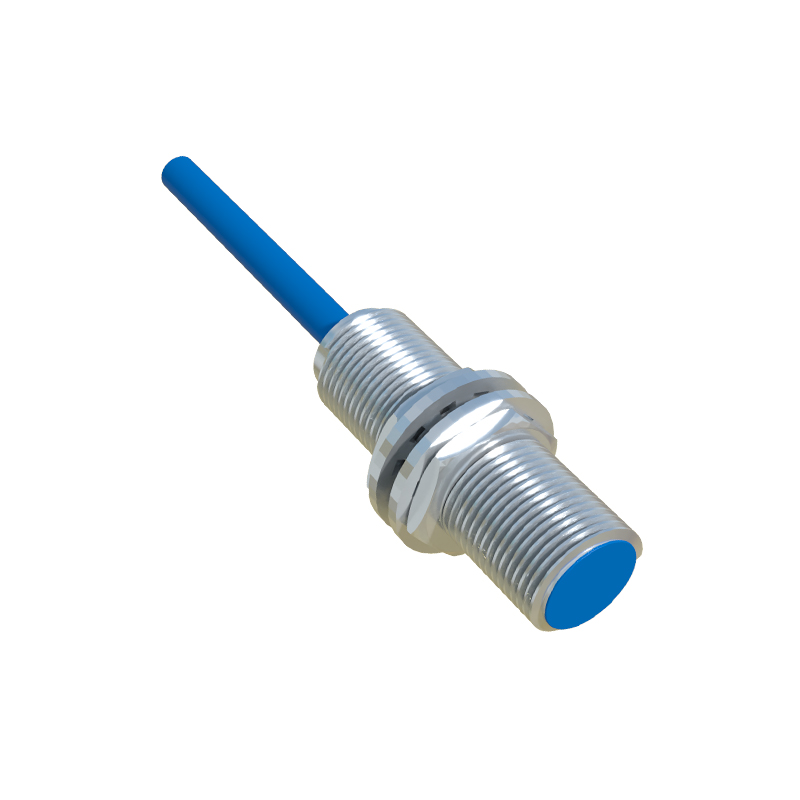
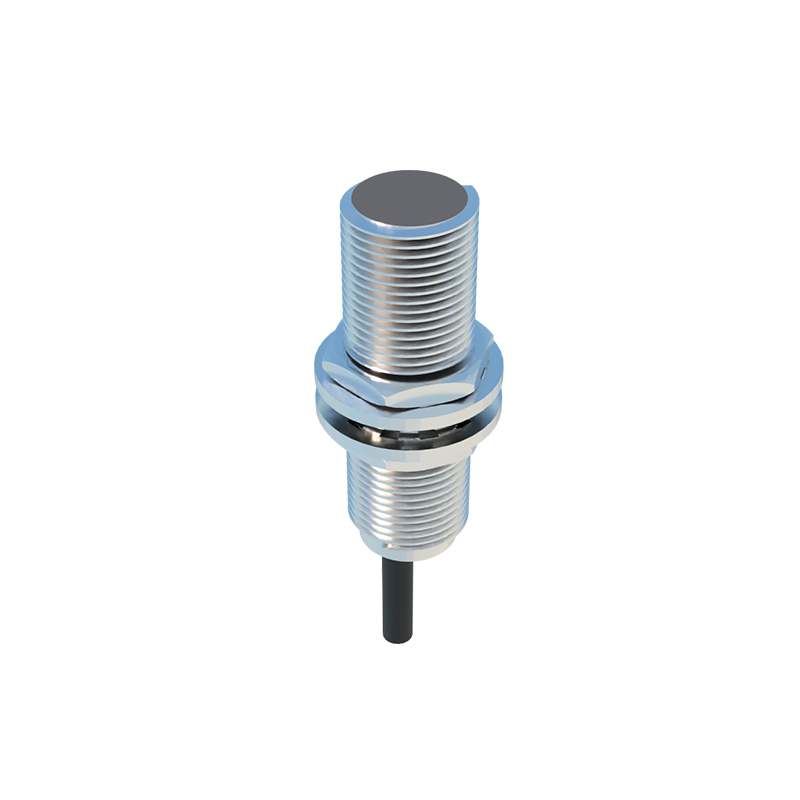
Inductive proximity sensors, a core offering from Reoth, are predominantly used for detecting metallic objects. They generate an oscillating electromagnetic field from a coil located at the sensing face. When a conductive metal enters this field, it induces eddy currents within the target, causing a change in the oscillation amplitude. This change is detected by the sensor's circuitry, triggering an output signal. Reoth's inductive sensors are renowned for their high switching frequency, exceptional repeat accuracy, and resilience in harsh industrial environments filled with oil, coolants, or dust. They are indispensable in applications like part counting on conveyor belts, determining the position of machine tools, or verifying the presence of metal components.
For non-metallic materials such as wood, plastic, glass, or liquids, Reoth provides capacitive proximity sensors. These sensors can detect virtually any object by measuring changes in capacitance. The sensor forms one plate of a capacitor, with the target object acting as the other plate. As an object approaches the sensing face, the dielectric constant of the space between them changes, altering the capacitance and triggering detection. This makes Reoth capacitive sensors incredibly versatile for level detection in tanks (e.g., monitoring fluid or granulate levels), material handling, and even detecting materials through non-metallic container walls.
In scenarios requiring longer detection ranges or precise positioning of small objects, Reoth's photoelectric proximity sensors offer an optimal solution. These sensors use a light emitter (usually an LED) and a receiver. They can be configured in through-beam, retro-reflective, or diffuse (proximity) modes. The diffuse mode, where the emitter and receiver are housed in the same unit, operates as a true proximity sensor, detecting the reflection of light from the target itself. Reoth photoelectric sensors excel in packaging automation, pharmaceutical production, and electronic assembly where clean, non-contact detection is paramount.
A critical aspect of Reoth's design philosophy is ensuring seamless integration and reliability. Their sensors often feature rugged, nickel-plated brass or stainless-steel housings with IP67 or higher ingress protection ratings, making them resistant to water, dust, and mechanical impact. Many models incorporate built-in protection against short-circuits, reverse polarity, and voltage spikes, safeguarding both the sensor and the broader control system. Furthermore, Reoth provides sensors with various output configurations—including NPN, PNP, analog, and IO-Link—allowing for direct compatibility with Programmable Logic Controllers (PLCs) and other industrial control systems across the globe.
The application spectrum for Reoth proximity sensors is vast. In automotive manufacturing, they ensure robotic welders are correctly positioned and verify the presence of critical parts like engine blocks. In the food and beverage industry, capacitive sensors monitor fill levels in containers, while inductive sensors control capping and labeling machines. Within renewable energy, they contribute to the precise alignment of solar panels or monitor the position of wind turbine blades. The consistent performance of these sensors directly translates to enhanced productivity, improved product quality, and reduced machine downtime.
Looking forward, the integration of smart features is becoming standard. Reoth is at the forefront of this trend, offering sensors with advanced diagnostics and communication capabilities via IO-Link technology. This allows for real-time monitoring of sensor health, parameter adjustment on-the-fly, and predictive maintenance alerts, pushing traditional automation toward the realms of Industry 4.0 and the Industrial Internet of Things (IIoT).
In conclusion, Reoth proximity sensors represent a fusion of robust engineering and practical innovation. By providing accurate, non-contact detection across a diverse range of materials and challenging environments, they serve as the silent, reliable sentinels of modern automation. Their contribution is fundamental to building more efficient, intelligent, and resilient industrial operations, proving that sometimes the most critical components are those we never see touch their target.