Explosion proof proximity sensors are critical components in hazardous environments where flammable gases, vapors, or dust may be present. These specialized sensors detect the presence or absence of objects without physical contact, ensuring safety in industries such as oil and gas, chemical processing, mining, and grain handling. When a sensor malfunctions, timely and proper repair is essential to maintain operational safety and efficiency. This guide outlines practical steps for diagnosing and repairing common issues with explosion proof proximity sensors, emphasizing safety protocols and best practices.
Before initiating any repair work, confirm the hazardous area classification (e.g., Class I, Division 1 or Zone 0) and ensure the sensor is de-energized and isolated from the power source. Follow lockout-tagout (LOTO) procedures to prevent accidental re-energization. Verify that the work environment is safe, using appropriate gas detection equipment if necessary. Always wear personal protective equipment (PPE) suitable for the hazardous location.
Common symptoms of a faulty explosion proof proximity sensor include intermittent detection, failure to detect objects entirely, erratic output signals, or physical damage to the housing. Begin troubleshooting by checking external factors: ensure the target object is within the sensor’s specified sensing range and made of a compatible material (e.g., metal for inductive sensors). Inspect the sensor’s mounting alignment, as misalignment can cause unreliable operation. Clean the sensing face with a soft, non-abrasive cloth to remove dirt, dust, or buildup that might interfere with detection.
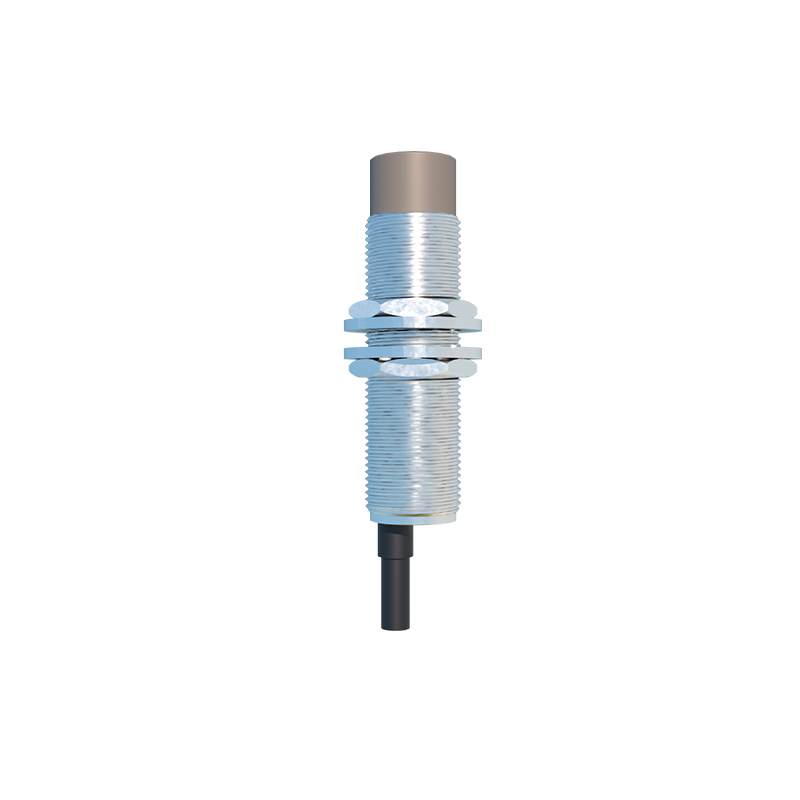
Electrical issues are frequent culprits. Use a multimeter to test the power supply voltage at the sensor’s terminals, comparing it to the manufacturer’s specifications (commonly 10-30V DC or 20-250V AC). Fluctuations or deviations beyond tolerance can lead to sensor failure. Next, examine the wiring connections for corrosion, looseness, or damage. In explosion proof enclosures, check the integrity of conduit seals and cable glands, as compromised seals can allow hazardous substances to enter, posing a risk of ignition.
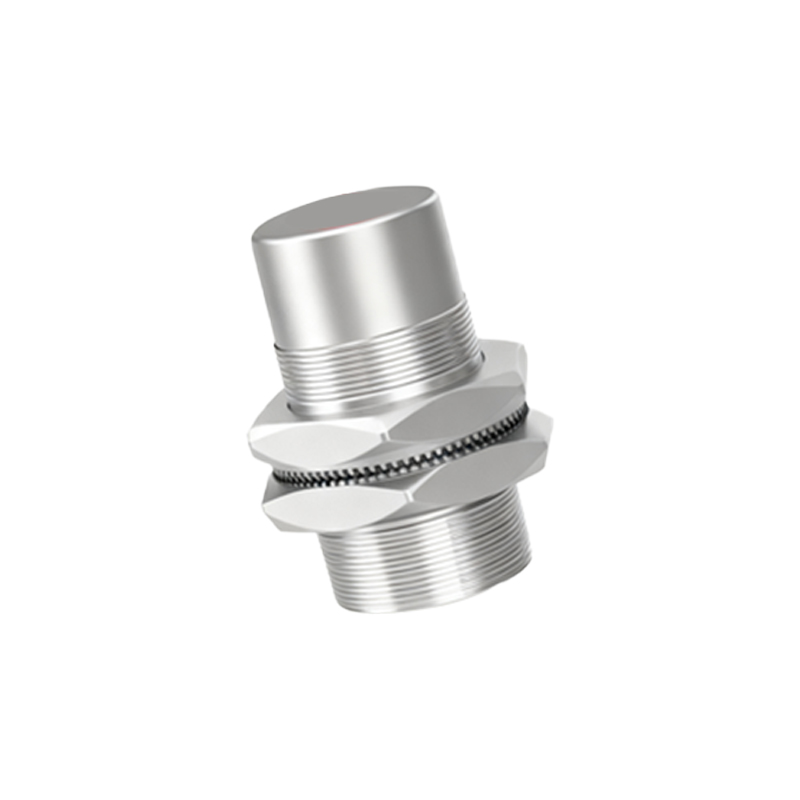
If external factors and wiring are intact, the problem may lie within the sensor’s internal circuitry. Explosion proof sensors are sealed to prevent sparks, so opening the enclosure requires caution. Only personnel trained in handling explosion proof equipment should attempt this. After carefully opening the enclosure per the manufacturer’s instructions, inspect internal components for signs of overheating, corrosion, or moisture ingress. Look for damaged capacitors, resistors, or integrated circuits on the printed circuit board (PCB). In some cases, a burnt smell or discolored components may indicate electrical failure.
For inductive proximity sensors, test the oscillator coil, which generates the electromagnetic field for detection. A broken or shorted coil often requires replacement, as repair is rarely feasible. Similarly, for capacitive sensors, check the electrode plates for contamination or damage. Photoelectric sensors may have faulty lenses or misaligned emitters/receivers; clean optical components with approved solvents and realign as needed.
When replacing components, use only manufacturer-approved parts designed for explosion proof use. Improper substitutes can compromise the sensor’s safety ratings. After repair, reassemble the enclosure meticulously, ensuring all seals, gaskets, and bolts are correctly installed to maintain the explosion proof integrity. Torque bolts to the specified values to avoid over- or under-tightening, which can damage seals.
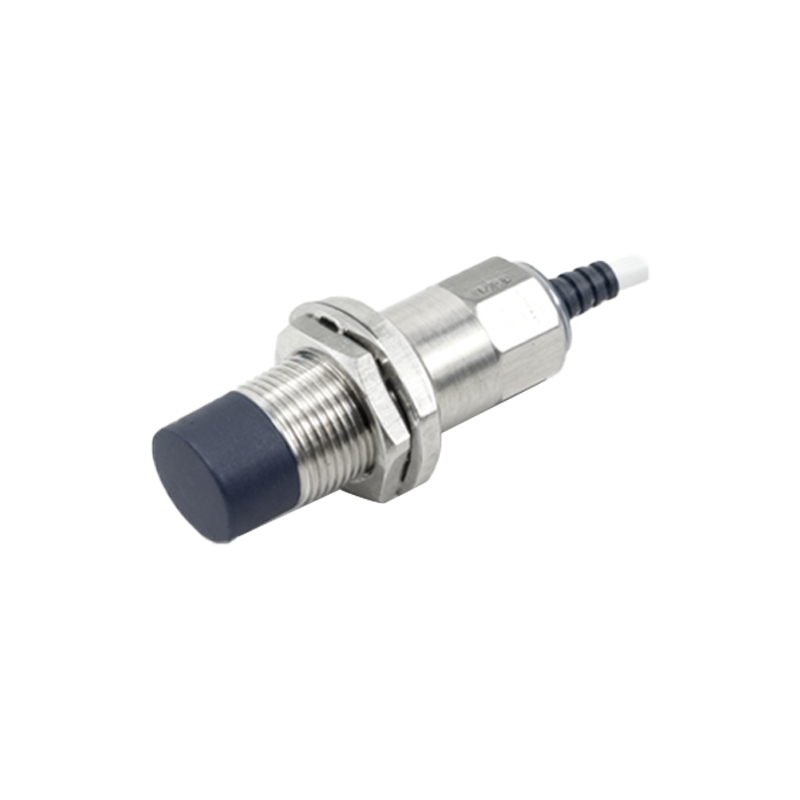
Post-repair testing is crucial. Reconnect the sensor in a safe, non-hazardous area if possible, and simulate detection scenarios to verify functionality. Monitor the output signal with an oscilloscope or multimeter to ensure it matches expected behavior (e.g., NPN/PNP switching). If the sensor passes bench tests, reinstall it in its operational environment and conduct a final operational check under controlled conditions.
Preventive maintenance can reduce repair needs. Regularly inspect sensors for environmental damage, clean them during scheduled downtime, and verify electrical connections. Keep records of repairs and calibrations to track sensor performance over time. For complex issues or sensors with integral safety certifications (e.g., ATEX, IECEx), consider sending the unit to an authorized repair center to preserve certifications and ensure compliance.
In summary, repairing explosion proof proximity sensors demands a methodical approach that prioritizes safety. By systematically diagnosing issues—from external factors to internal faults—and adhering to manufacturer guidelines, technicians can restore sensor reliability while upholding the stringent standards required for hazardous locations.