Proximity sensors are a cornerstone of modern industrial automation and consumer electronics, with photoelectric variants standing out for their precision and versatility. Unlike inductive or capacitive sensors that detect metallic or material presence through electromagnetic fields, photoelectric proximity sensors utilize light beams to sense objects. This fundamental difference unlocks a wide array of applications where contactless, long-range, and material-agnostic detection is crucial.
The core principle of a photoelectric sensor involves three key components: an emitter (light source), a receiver (photodetector), and associated control circuitry. The emitter projects a beam of light—commonly visible red, infrared, or laser. The receiver is tuned to detect this specific light. When an object enters the sensing field, it interacts with the light beam, either reflecting it back to the receiver (in reflective models) or breaking the beam path (in through-beam models). This change in light intensity at the receiver is converted into an electrical signal, triggering an output switch.
There are several primary operating modes, each suited to different environmental and application needs. The through-beam (or opposed) mode features separate, opposing emitter and receiver units. An object is detected when it interrupts the beam traveling from emitter to receiver. This mode offers the longest sensing ranges and high reliability, as it is less affected by object color, reflectivity, or surface angle. It is ideal for precise detection on high-speed assembly lines or in safety curtain applications.
The retro-reflective mode combines emitter and receiver in a single housing. The sensor uses a dedicated reflector (corner-cube reflector) to bounce the beam back. Detection occurs when an object breaks this reflected beam. This setup simplifies installation compared to through-beam sensors while still offering good range. A key feature is the ability to ignore shiny objects, as the sensor is polarized to only recognize light bounced from its specific reflector.

The most common and flexible type is the diffuse (or proximity) mode. Here, the emitter and receiver are housed together, and the sensor detects light reflected directly off the target object itself. This self-contained design is highly convenient for installation. However, sensing distance and consistency can be influenced by the object's color, texture, and reflectivity. Dark, matte objects absorb more light and are harder to detect at range than bright, shiny ones. Advanced background suppression and fixed-field diffuse sensors use triangulation or specialized optics to define a precise sensing window, ignoring objects beyond a set distance.
Selecting the right photoelectric proximity sensor requires careful consideration of several factors. Sensing Range is paramount; through-beam sensors can detect over tens of meters, while standard diffuse sensors may work from a few centimeters to several meters. Environmental Conditions like dust, fog, ambient light, or temperature can interfere with light beams. Sensors with robust housings (IP67/IP69K ratings), modulated LED light sources to combat ambient light, and laser options for precise spotting are available for harsh conditions. Object Characteristics such as size, color, material, and surface finish directly impact the performance of diffuse sensors. Finally, the Output Type (PNP/NPN transistor, analog, or IO-Link) must be compatible with the control system.
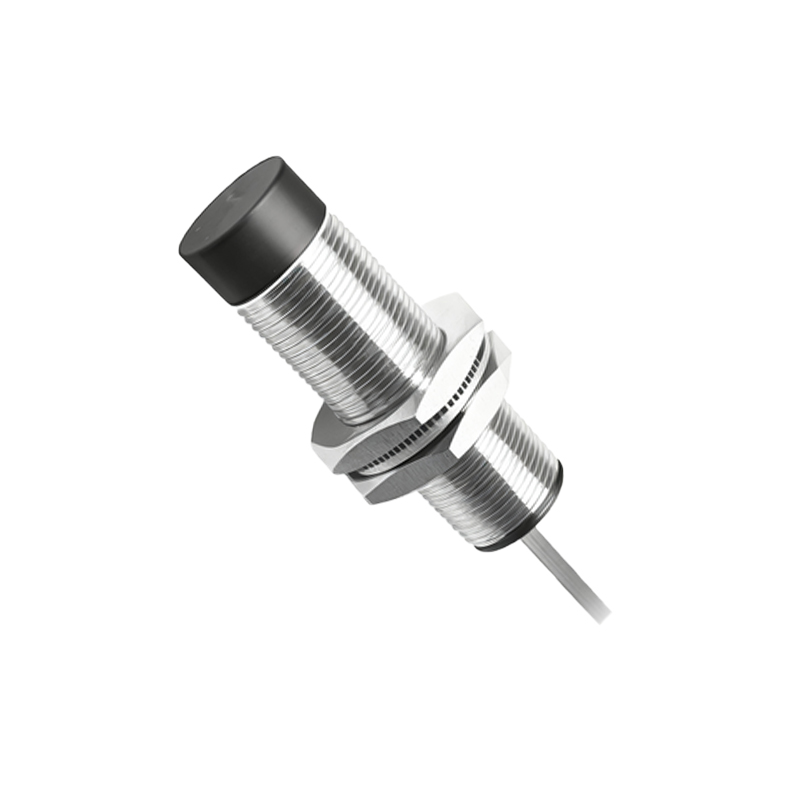
The applications of photoelectric proximity sensors are vast. In manufacturing, they count bottles on filling lines, detect missing labels on packages, and verify the presence of components. In automated warehousing, they guide robots, manage inventory on racks, and ensure pallet positioning. In the consumer realm, they enable touchless faucets, automatic hand dryers, and screen blanking in smartphones when held to the ear. Their ability to detect virtually any material—glass, plastic, wood, liquid, or metal—makes them indispensable where other sensor types fail.
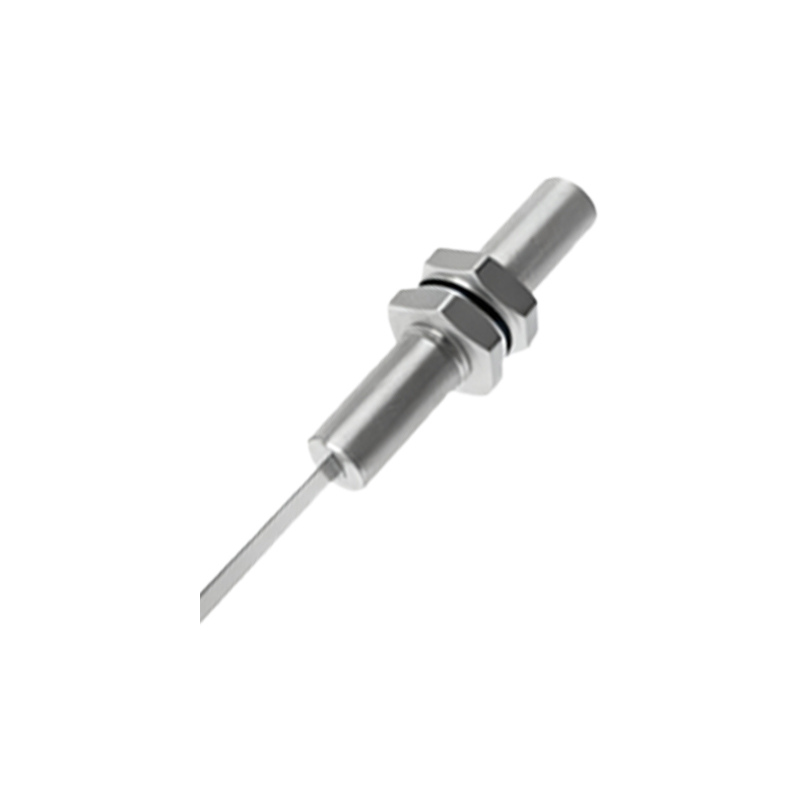
Recent advancements continue to enhance their capabilities. Miniaturization allows integration into ever-smaller devices. IO-Link digital communication enables sensors to transmit detailed diagnostic data (like signal strength or lens contamination alerts) for predictive maintenance. Laser-based models provide extremely precise detection for alignment and positioning tasks. Furthermore, the integration of RGB color recognition and contrast sensing capabilities expands their role from simple presence detection to basic inspection functions.
In conclusion, photoelectric proximity sensors offer a reliable, flexible, and non-contact solution for object detection across industries. By understanding the different operating modes—through-beam, retro-reflective, and diffuse—engineers and designers can select the optimal sensor for their specific challenge, considering range, environment, and target object. As technology evolves with smarter, more connected, and more robust designs, the role of photoelectric sensing in enabling automation and intuitive human-machine interfaces will only grow more significant.