In today's interconnected world, the subtle hum of technology often operates just beyond our conscious awareness. One of the most common yet understated interactions involves sensors detecting human presence. Whether you're walking through an automatic door, having your smartphone screen light up as you reach for it, or triggering a security light in your driveway, you are engaging with a sophisticated network of detection. This process, often taken for granted, involves a fascinating interplay of physics, engineering, and data processing that creates a seamless layer of responsiveness in our environment.
The core principle behind presence detection is the identification of a change in a monitored field or zone. Different technologies achieve this in varied ways. Passive Infrared (PIR) sensors are ubiquitous in security lights and motion-activated devices. They do not emit energy but instead detect changes in infrared radiation—essentially body heat—within their field of view. When a warm object, like a person, moves across zones monitored by the sensor, it triggers a response. Another common technology is the ultrasonic sensor, which emits high-frequency sound waves and listens for their echo. An approaching person alters the reflection pattern, signaling presence. Microwave sensors operate on a similar Doppler effect principle but use radio waves, making them sensitive through certain materials like glass or thin walls.
More advanced systems are integrating computer vision and time-of-flight cameras. These systems don't just detect motion; they can interpret shape and form to distinguish a human from, say, a passing animal or a swaying tree branch. This reduces false positives and allows for more nuanced interactions. For instance, some smart home systems can now recognize when a person is specifically approaching a device, like a smart display, and prepare it for interaction before a touch or voice command is given.
The applications extend far beyond convenience. In industrial settings, proximity sensors on machinery create vital safety perimeters, halting operation if a worker comes too close. In public health, during recent times, such sensors helped monitor occupancy limits in stores or enable touchless interfaces. In assistive technology, they can empower individuals with mobility challenges by automating doors, lights, and appliances as they move through a space.
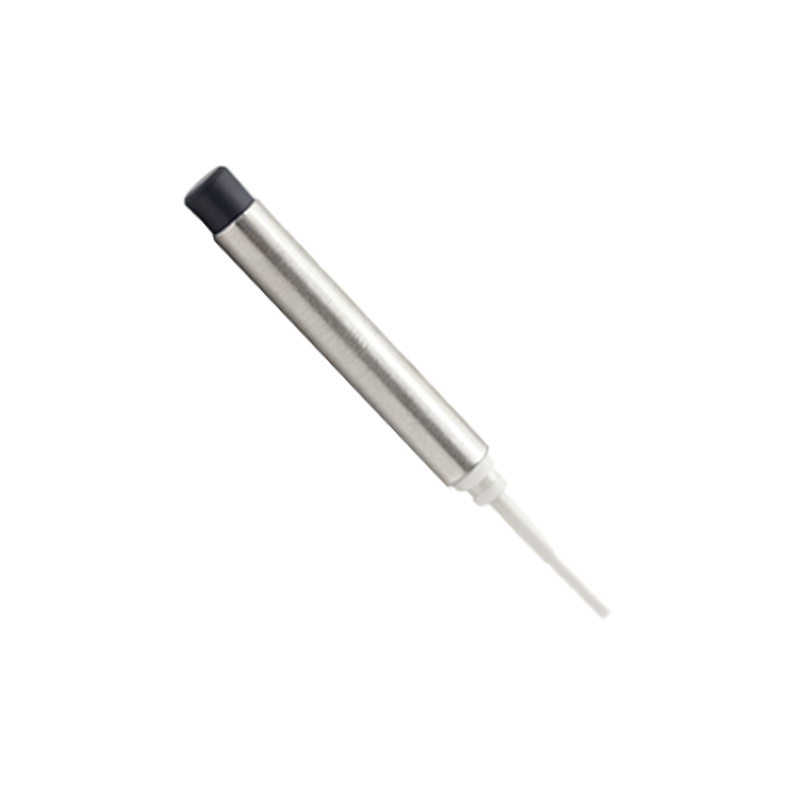
However, this seamless detection raises important considerations. The very feature that makes these systems useful—their passive, always-on vigilance—also touches on privacy concerns. Who has access to the data about your movements, even within your own home? How is this data stored and used? A sensor detecting an approach is a simple binary event, but when networked and logged over time, it can paint a detailed picture of behavior and habits. Transparency from manufacturers about data practices is becoming as crucial as the technical specifications of the sensors themselves.
Furthermore, reliability is paramount. A sensor that fails to detect an approach can be a minor annoyance at a supermarket door but a critical failure in a security or medical alert context. Environmental factors like extreme temperatures, heavy rain, or obstructions can affect performance. This underscores the need for robust design, regular maintenance, and often, redundant systems for critical applications.
Looking ahead, the evolution of this technology points toward greater context awareness. Future systems won't just know that someone is approaching; they will infer why. By combining sensor data with other inputs—like time of day, calendar information, or habitual patterns—our environments could anticipate needs more intelligently. Your car might not only unlock as you walk toward it with the key fob but also start the climate control to your preferred setting. Your home office light might adjust its brightness based on your approach and the ambient light level, all without a single button press.
The experience of a sensor detecting your approach is a silent conversation between human and machine. It represents a point where the physical world gently bends to our presence, offering assistance, providing security, or granting access. As these technologies become more refined and integrated, this interaction will grow even more fluid, embedding responsiveness into the very fabric of our daily spaces. The goal remains to create technology that serves us unobtrusively, enhancing our lives by thoughtfully acknowledging our presence, while carefully navigating the accompanying responsibilities of privacy and trust.