Imagine walking into a room and feeling that instant, uncomfortable stickiness in the air. Your books feel slightly damp, a musty odor lingers, and you can almost see the moisture clinging to the windows. For decades, the solution was a simple, often noisy, dehumidifier that ran on a basic humidistat, cycling on and off with crude measurements. But a quiet revolution is happening in home climate control, driven by a technology more commonly associated with high-tech labs and manufacturing: the laser sensor.
At its core, a dehumidifier's job is to reduce and maintain the level of humidity in the air. Traditional units use a mechanical or capacitive humidistat. These sensors often rely on materials that expand, contract, or change electrical resistance with moisture. While functional, they can be slow to react, less accurate over time, and prone to calibration drift. You might set your dehumidifier to 50% relative humidity, but in reality, the room could be oscillating between 45% and 55%, leading to inefficient operation, unnecessary energy consumption, and inconsistent comfort.
This is where laser sensor technology, more accurately referred to in this context as laser-based optical sensing or light scattering hygrometry, changes the game. Here’s how it works inside a modern dehumidifier. A tiny, low-power laser diode emits a focused beam of light into a small, open sampling chamber where room air freely circulates. When the air is perfectly dry, the light travels in a straight line to a detector on the other side. However, when water vapor (humidity) is present, the light particles (photons) scatter off the water molecules. The higher the concentration of water vapor, the greater the scattering effect.
A highly sensitive photodetector measures the precise intensity and pattern of this scattered light. This data is fed to a microprocessor thousands of times per second. The chip instantly calculates the exact density of water vapor in the air, translating it into an incredibly accurate real-time reading of relative humidity, often within ±1-2% accuracy. There are no slow-moving mechanical parts, no materials that degrade with time—just light and instantaneous electronic measurement.
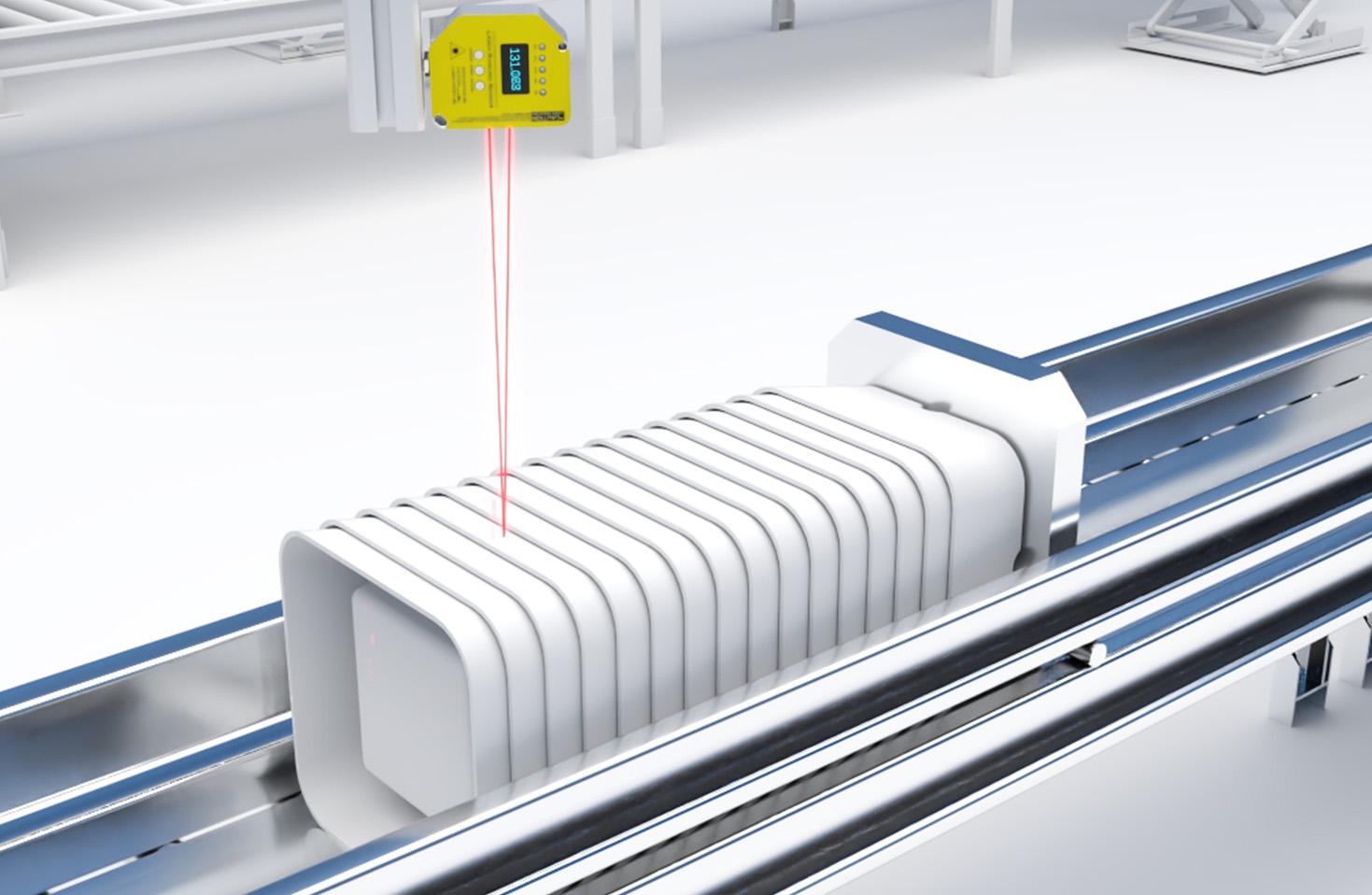
The practical benefits for your home and health are substantial. First is precision. With laser sensor accuracy, the dehumidifier maintains your desired humidity level like a thermostat maintains temperature. It eliminates the annoying "short-cycling" or long lag times of older models, running only as much as absolutely necessary. This translates directly to energy savings; some estimates suggest efficiency improvements of 15-25% compared to traditional sensor models.
Second is proactive protection. Because it detects minute changes instantly, a laser-sensor dehumidifier can respond to a spike in humidity—like from cooking, showering, or many people entering a room—before the environment ever feels damp. This is crucial for preventing mold and mildew growth, which can begin at a sustained 60% relative humidity. It also better protects sensitive items like wooden musical instruments, artwork, books, and electronics from warping or corrosion.
Third is enhanced air quality and comfort. Dust mites and allergens thrive in humid environments. By maintaining a consistently optimal humidity level (ideally between 40% and 50%), these units create an inhospitable environment for allergens while also making the existing air feel fresher and more comfortable to breathe. The reduction of musty odors is another immediate noticeable benefit.
When considering a laser sensor dehumidifier, look for models that highlight terms like "optical sensor," "real-time sensing," or "precision humidity control." Brands are increasingly integrating this technology into both residential and premium appliance-grade units. While the initial investment may be slightly higher than a basic model, the long-term savings in energy costs, paired with superior protection for your home and belongings, make a compelling case.
In conclusion, the shift from analog, mechanical sensing to digital, laser-based measurement represents a significant leap forward in dehumidification technology. It moves the appliance from a reactive, blunt instrument to a proactive, intelligent guardian of your indoor environment. By delivering unmatched accuracy, efficiency, and responsiveness, the laser sensor dehumidifier doesn't just remove moisture—it delivers true climate control, ensuring your home remains consistently comfortable, healthy, and protected.