In the world of industrial automation and machine control, proximity switch sensor heads are fundamental components. These non-contact sensing devices detect the presence or absence of an object within a specific range without any physical touch. Their reliability, speed, and durability make them indispensable in countless applications, from assembly lines and packaging machinery to robotics and automotive manufacturing. Understanding their operation, types, and key selection criteria is crucial for engineers and technicians.
At its core, a proximity switch sensor head operates by generating an electromagnetic field or a beam of radiation. When a target object enters this field, it causes a change in the sensor's state. This change is processed by an associated amplifier or controller, which triggers a switching action—typically opening or closing an electrical circuit. The primary advantage is the complete absence of mechanical wear and tear associated with limit switches, leading to longer service life and higher operational speeds.
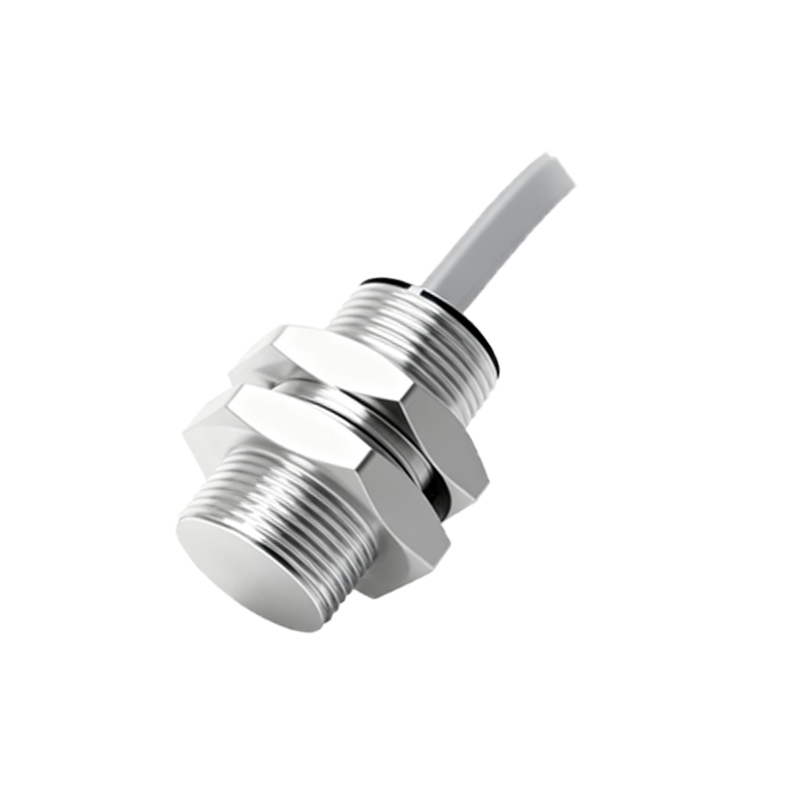
Several technologies define the major types of proximity sensor heads. Inductive proximity sensors are the most common. They generate an oscillating electromagnetic field and detect the eddy current losses caused when a metallic target enters the field. They are ideal for detecting metals like steel, aluminum, or copper, but are ineffective for non-metallic materials. Common form factors include cylindrical barrels and rectangular blocks.
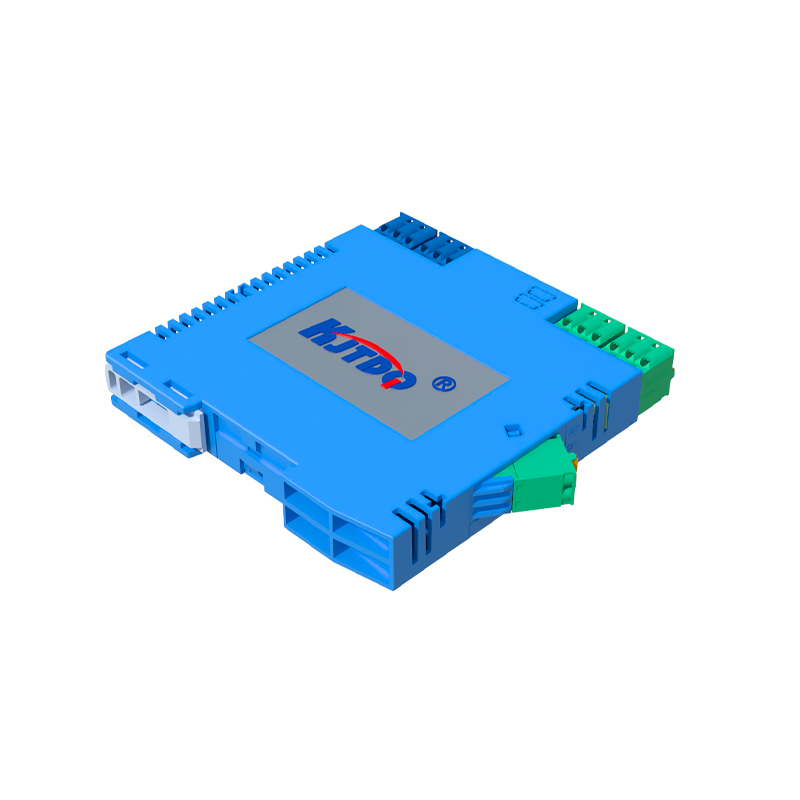
Capacitive proximity sensors, on the other hand, can detect both metallic and non-metallic materials, including liquids, plastics, glass, and wood. They function by measuring changes in capacitance between the sensor and the target. This makes them versatile for applications like level detection in tanks or sensing filled packages on a conveyor.
For longer sensing distances and the detection of any object regardless of material, photoelectric sensor heads are employed. These use a light beam (often infrared, red, or laser) and detect interruptions or reflections of that beam. They are categorized into through-beam, retro-reflective, and diffuse reflective types, each suited for different environmental and range requirements.
Ultrasonic proximity sensors use sound waves beyond human hearing. They measure the time taken for an emitted sound wave to bounce back from a target. Excellent for detecting transparent objects, liquids, or objects in challenging environments with dust or vapor, they are commonly used in level monitoring and distance measurement.
Selecting the right proximity switch sensor head involves careful consideration of several parameters. First, the sensing distance, or nominal range, must be appropriate for the application, with a safety margin applied. The target material directly dictates whether an inductive, capacitive, or photoelectric sensor is needed. Environmental factors are critical; sensors may need specific ingress protection (IP) ratings for dust and water resistance, resistance to oils/coolants, or ability to withstand high temperatures or strong electromagnetic interference.
The electrical output type is another key decision. Common outputs include NPN (sinking) and PNP (sourcing) transistor configurations, as well as analog outputs for distance-proportional signals. The physical housing size and shape must fit the installation space, with options like threaded barrels, rectangular blocks, or slot-style sensors. Finally, connection methods, such as pre-wired cables or quick-disconnect connectors, impact maintenance and installation ease.
Proper installation and alignment are paramount for reliable operation. Factors like the sensor's mounting (flush or non-flush for inductive types), the presence of surrounding metal, and the approach direction of the target can affect the effective sensing distance. Regular maintenance, though minimal, involves keeping the sensing face clean and free from buildup that could cause false triggers.
In conclusion, proximity switch sensor heads are the silent sentinels of modern automation. By choosing the correct technology—inductive, capacitive, photoelectric, or ultrasonic—based on the target material, required range, and operating environment, designers can build robust, efficient, and fault-resistant control systems. Their non-contact nature ensures longevity and precision, forming the essential link between the physical movement of objects and the digital logic of control systems.