In today's rapidly evolving industrial landscape, the one-size-fits-all approach is becoming increasingly obsolete. This is particularly true for sensing technology, where specific environmental conditions, space constraints, and operational demands require specialized solutions. Magnetic proximity sensor customization has emerged as a critical service for engineers and system integrators seeking to optimize performance, enhance reliability, and solve unique application challenges that off-the-shelf sensors cannot address.
The core principle behind a magnetic proximity sensor is its ability to detect the presence or absence of a magnetic field, typically from a permanent magnet. This non-contact detection method is prized for its reliability in harsh environments—resistant to dust, oil, moisture, and vibration. However, standard sensors have predefined specifications for sensing distance, housing material, electrical output, switching frequency, and mounting style. When a project demands a sensing range beyond standard limits, an unusual form factor to fit a cramped assembly, or a specific output signal like a Namur or IO-Link interface, customization becomes not just an option but a necessity.
The customization process begins with a deep dive into the application's parameters. Key factors include the required sensing distance, which dictates magnet strength and sensor sensitivity. The operating environment is paramount; will the sensor face extreme temperatures, high pressure washdowns, corrosive chemicals, or strong electromagnetic interference? Material selection for the housing—such as stainless steel (e.g., 316L for high corrosion resistance), brass, or specialized plastics like PEEK—is driven by these environmental factors. For instance, sensors in food and beverage or pharmaceutical applications often require FDA-compliant materials and specific surface finishes for easy cleaning.
Electrical characteristics are another major customization area. While standard sensors offer PNP, NPN, or normally open/closed configurations, custom projects might need specific voltage ranges (e.g., 10-30V DC), low-power consumption designs for battery-operated devices, or analog outputs (4-20mA, 0-10V) for proportional measurement. The connection method also varies, with choices ranging from pre-wired cables of specific lengths and jacket materials (PVC, PUR) to quick-disconnect plugs (M8, M12) with varying pin configurations.
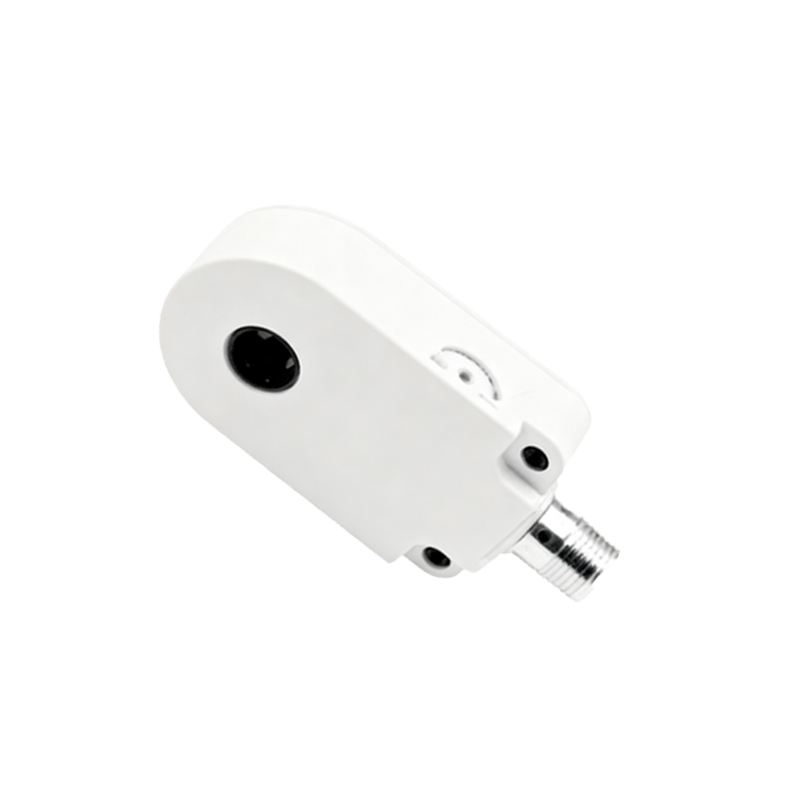
Mechanical design is often the most visible aspect of customization. Engineers may need a sensor with an elongated or miniaturized body, a specific thread size (M5, M18, M30), or a non-standard shape to integrate seamlessly into a machine. Flush or non-flush mounting capabilities are chosen based on the surrounding metallic environment. Special markings, laser engraving for part numbers, or color-coding for easy identification are common requests. In mobile hydraulic applications, sensors might be customized with robust strain relief and vibration-damping features.
The benefits of investing in a customized magnetic proximity sensor are substantial. It leads to optimized system performance, as the sensor is designed to work perfectly within its intended context, reducing false triggers and increasing operational accuracy. Enhanced durability in specific conditions lowers long-term maintenance costs and reduces downtime. Furthermore, a custom-designed sensor can simplify installation and integration, potentially saving on assembly time and labor.
Successful customization relies on a collaborative partnership between the client and the sensor manufacturer. Clients should provide detailed application notes, including CAD drawings of the installation space, environmental specifications, performance expectations, and any regulatory standards (ATEX, IECEx for hazardous areas, IP ratings) that must be met. Reputable manufacturers employ experienced application engineers who can guide the process, suggest material and design alternatives, and produce prototypes for testing before full-scale production.
In conclusion, magnetic proximity sensor customization is a powerful tool for innovation in automation, automotive, material handling, and heavy machinery industries. By moving beyond catalog specifications to develop tailored sensing solutions, companies can achieve higher efficiency, greater reliability, and a distinct competitive advantage. The process demands clear communication and technical expertise, but the result is a precisely engineered component that turns a generic detection task into a robust, application-specific function.