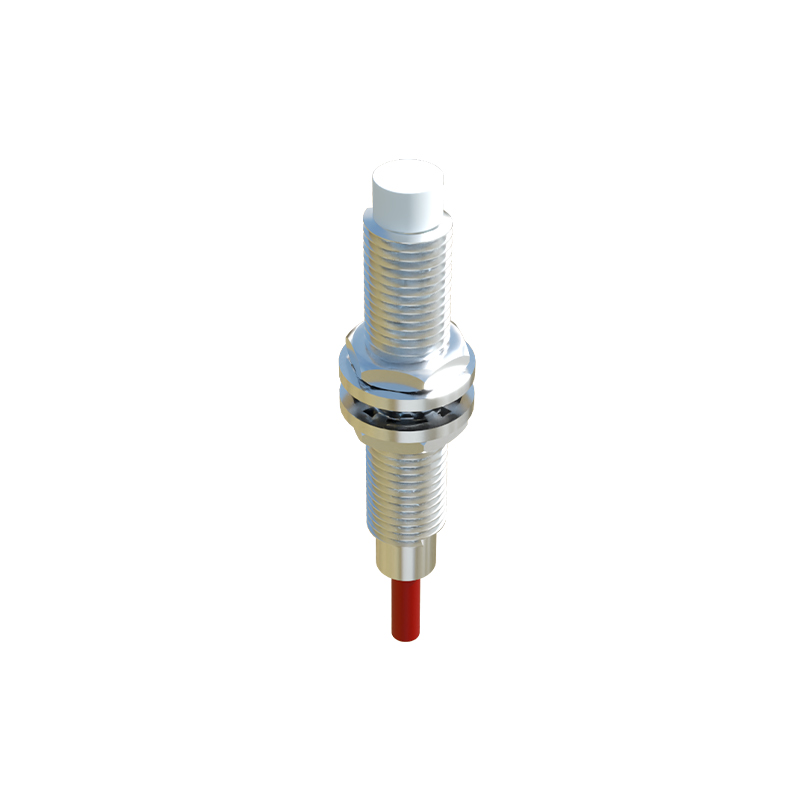
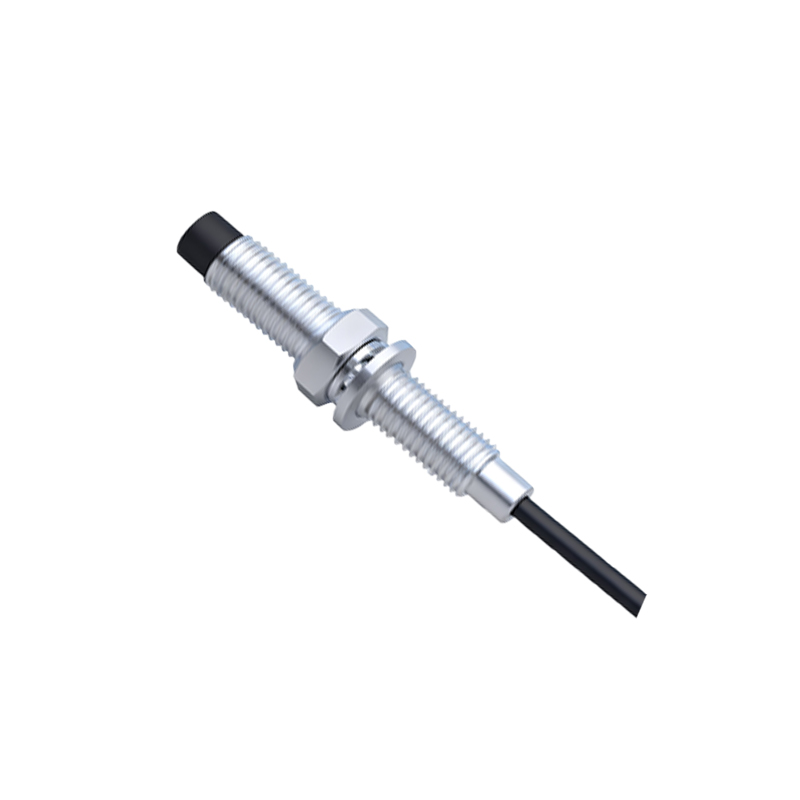
In the rapidly evolving landscape of industrial automation, consumer electronics, and automotive systems, the role of proximity sensors has become increasingly critical. Recent advancements in this field are not merely incremental; they represent fundamental shifts in how devices perceive and interact with their environment. The core objective of modern improvements centers on overcoming traditional limitations of range, accuracy, power consumption, and environmental robustness.
One of the most significant areas of enhancement is in sensing technology itself. While traditional inductive and capacitive sensors remain prevalent for specific applications, new modalities are gaining traction. Time-of-Flight (ToF) sensors, for instance, have seen substantial refinement. By measuring the time it takes for a light signal to bounce back from an object, modern ToF sensors achieve sub-millimeter accuracy even at extended ranges, a feat previously unattainable for low-power applications. This precision is crucial for applications like gesture recognition in smartphones, robotic pick-and-place operations, and automated parking systems.
Material science and miniaturization are driving another wave of improvement. The development of novel semiconductor materials and advanced micro-electromechanical systems (MEMS) has allowed for sensors that are exponentially smaller, yet more sensitive. This miniaturization enables integration into increasingly compact devices, such as true wireless earbuds for in-ear detection or ultra-thin bezels in laptops and tablets for screen wake/sleep functions. Furthermore, these new materials often provide better resistance to contaminants like dust, oil, and moisture, expanding reliable operation into harsh industrial settings.
Signal processing and embedded intelligence represent perhaps the most transformative frontier. Modern proximity sensors are no longer simple on/off switches. They are equipped with sophisticated microcontrollers capable of running complex algorithms directly on the sensor module—a concept known as edge processing. These algorithms can filter out ambient noise, distinguish between different types of materials, and even track multiple objects simultaneously. For example, a sensor can now differentiate between a human hand approaching a machine guard and a flying piece of debris, drastically reducing false triggers and enhancing safety.
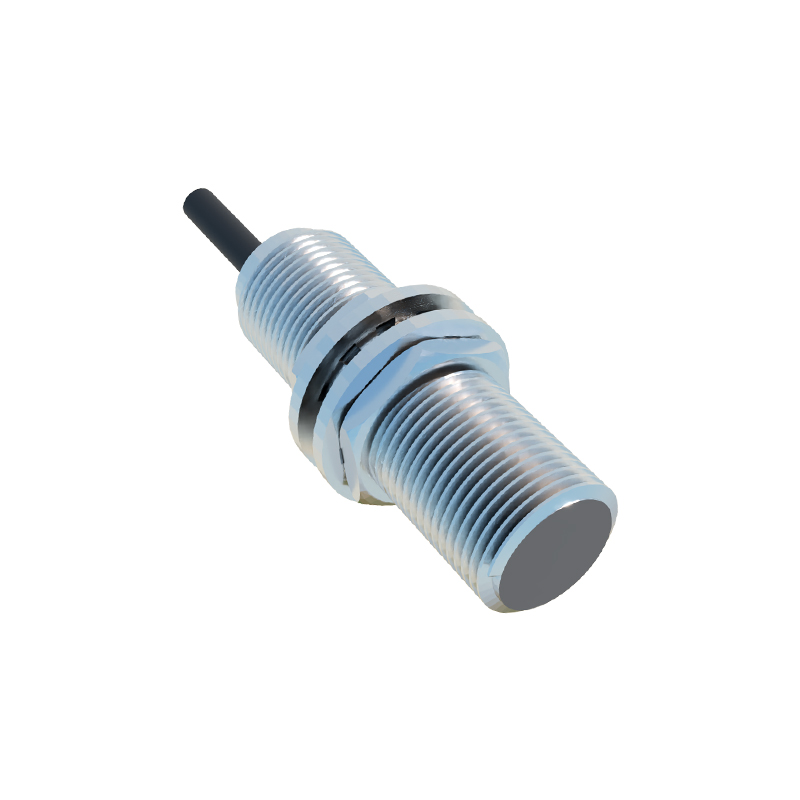
Power efficiency has been a paramount concern, especially for battery-powered Internet of Things (IoT) devices. Innovations here include advanced low-power modes and event-driven architectures. Sensors can now remain in a near-zero-power sleep state until a preliminary, ultra-low-power detection circuit senses a potential object. Only then does the main sensor and processor activate for precise measurement. This approach can extend battery life from months to years in field deployments, enabling new use cases in asset tracking and smart agriculture.
Connectivity and integration form the final piece of the improvement puzzle. Contemporary proximity sensors are designed as system components, featuring standardized digital interfaces like I2C, SPI, or IO-Link. This seamless integration simplifies wiring, allows for real-time configuration and diagnostics, and enables sensors to be part of a larger data ecosystem. In a smart factory, data from a proximity sensor can feed into a predictive maintenance algorithm, warning of alignment drifts in machinery before a failure occurs.
The convergence of these improvements—in sensing physics, hardware, software, and connectivity—is creating a new generation of "context-aware" sensors. They provide not just binary presence detection, but rich, reliable data about the immediate environment. This evolution is unlocking higher levels of automation, safety, and user experience across every sector, from manufacturing floors to consumer living rooms, setting a new standard for non-contact interaction and measurement.