In the realm of industrial automation and precision measurement, laser sensors have become indispensable tools. Among the leading technologies in this field, Faselase laser sensors stand out for their exceptional accuracy, reliability, and adaptability across diverse applications. These sensors utilize advanced laser technology to perform non-contact measurements, making them ideal for environments where physical contact could compromise results or damage sensitive materials.
The core principle behind Faselase laser sensors involves emitting a focused laser beam toward a target surface. The sensor then analyzes the reflected light to determine precise distance, displacement, or profile characteristics. This method allows for high-speed measurements with micron-level accuracy, even on challenging surfaces such as shiny metals, transparent glass, or dark, absorbent materials. Unlike traditional mechanical probes or ultrasonic sensors, laser sensors are unaffected by factors like material hardness, color, or ambient noise, ensuring consistent performance in dynamic industrial settings.
One of the key advantages of Faselase laser sensors is their versatility. They are widely used in manufacturing for quality control tasks, including thickness gauging, edge detection, and vibration analysis. In automotive assembly lines, for instance, these sensors verify component alignment and monitor robotic arm positions with real-time feedback. The electronics industry relies on them for inspecting circuit board soldering and micro-component placement. Additionally, Faselase sensors play a critical role in logistics, where they measure package dimensions for automated sorting systems, optimizing warehouse efficiency.

Durability is another hallmark of Faselase laser sensors. Designed to withstand harsh industrial environments, they often feature robust housings resistant to dust, moisture, and temperature fluctuations. Many models incorporate intelligent functions like automatic calibration and error compensation, reducing maintenance needs and downtime. Integration with modern industrial networks—such as Ethernet/IP, PROFINET, or IO-Link—enables seamless data exchange with PLCs and SCADA systems, supporting Industry 4.0 initiatives for smart factories.
Despite their sophistication, Faselase laser sensors are user-friendly. Intuitive software interfaces allow engineers to configure parameters quickly, while built-in diagnostics provide alerts for potential issues like beam blockage or signal degradation. This ease of use lowers the barrier to adoption, enabling small and medium-sized enterprises to leverage cutting-edge measurement technology.
Looking ahead, innovations in laser sensor technology continue to evolve. Faselase is at the forefront of developing compact, energy-efficient sensors with enhanced resolution and faster response times. Emerging applications in fields like renewable energy (e.g., solar panel inspection) and biomedical device manufacturing highlight the expanding potential of these tools. As industries increasingly prioritize precision and automation, Faselase laser sensors are poised to remain a cornerstone of modern engineering, driving efficiency and quality in production processes worldwide.
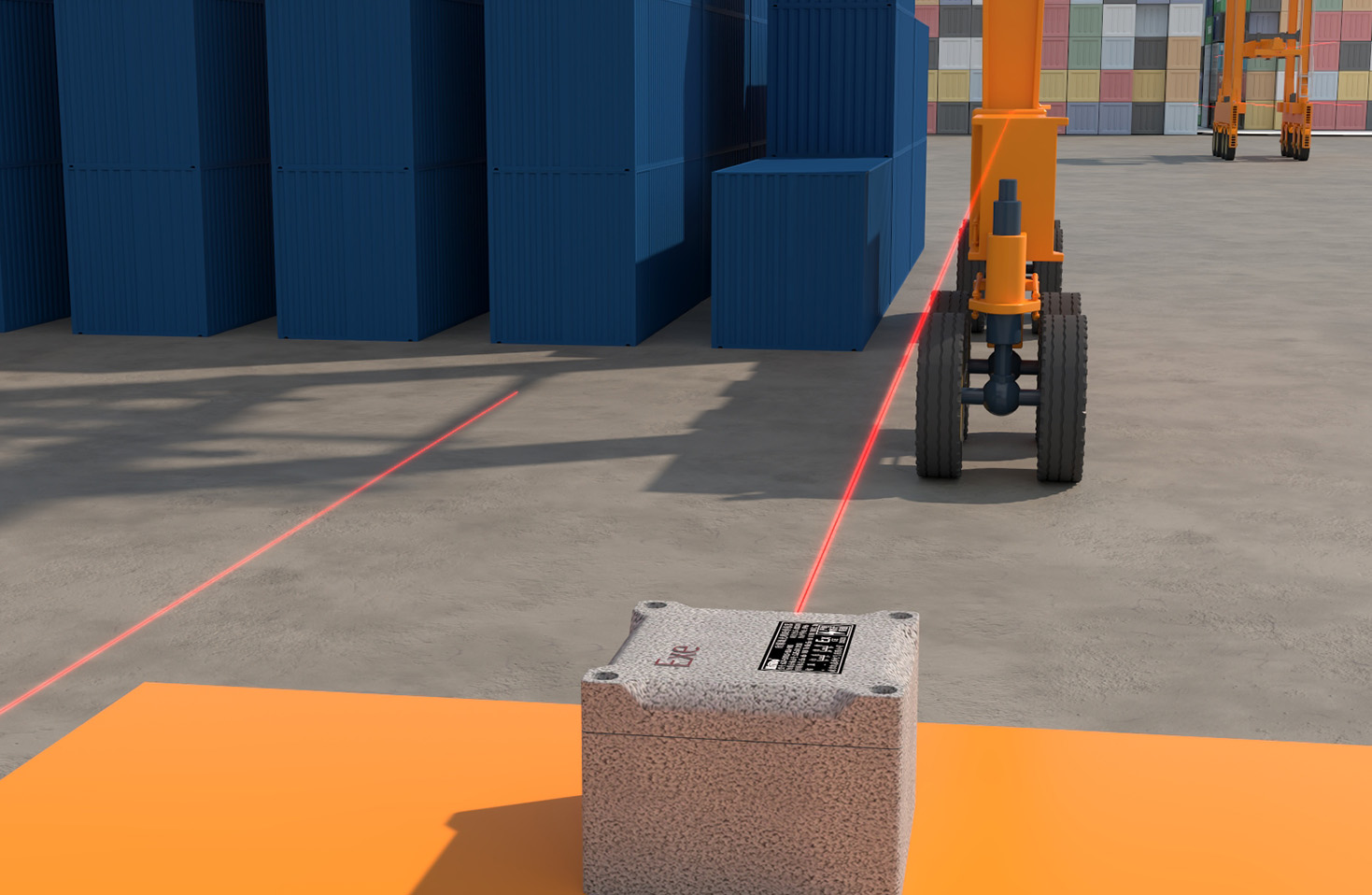
In summary, Faselase laser sensors represent a fusion of optical engineering and digital intelligence. Their ability to deliver accurate, non-contact measurements transforms industrial operations, from routine inspections to complex robotic guidance. By minimizing human error and maximizing throughput, these sensors not only boost productivity but also contribute to safer, more sustainable manufacturing practices. For businesses seeking to enhance their competitive edge, investing in reliable laser sensing technology is no longer an option—it’s a necessity.
