Selecting the right proximity sensor is a critical decision that directly impacts the efficiency, reliability, and safety of automated systems. With a vast array of technologies and specifications available, navigating the selection process can be daunting. This guide provides a structured approach to proximity sensor selection, focusing on key technical and application-specific factors to ensure optimal performance.
The first and most fundamental step is to identify the target material. This single factor often dictates the core sensing technology. For detecting ferrous metals (those containing iron, like steel), inductive proximity sensors are the standard and most cost-effective choice. They generate an electromagnetic field and react to the disturbance caused by a conductive metal entering that field. For non-ferrous metals (aluminum, copper, brass), plastics, glass, liquids, and most organic materials, capacitive proximity sensors are required. These sensors detect changes in capacitance caused by any material that alters the dielectric constant of the sensing field. For precise position detection of any material, including transparent objects, photoelectric sensors use a beam of light. Finally, for detecting strong magnetic fields, typically from a permanent magnet, magnetic sensors (like reed switches or Hall-effect sensors) are used.
Once the technology is narrowed down, the operating distance, or sensing range, must be determined. Never select a sensor with a rated operating distance exactly equal to the required gap. Always incorporate a safety margin, typically using 60-80% of the sensor's nominal range to account for temperature variations, voltage fluctuations, and target material tolerances. Consider whether the application requires a standard sensing range or an extended one. Also, note if the sensor requires shielding (flush-mounted) or non-shielding (non-flush). Shielded sensors can be mounted flush with metal without affecting their range, while non-shielded types offer longer ranges but require a clear metallic surround.
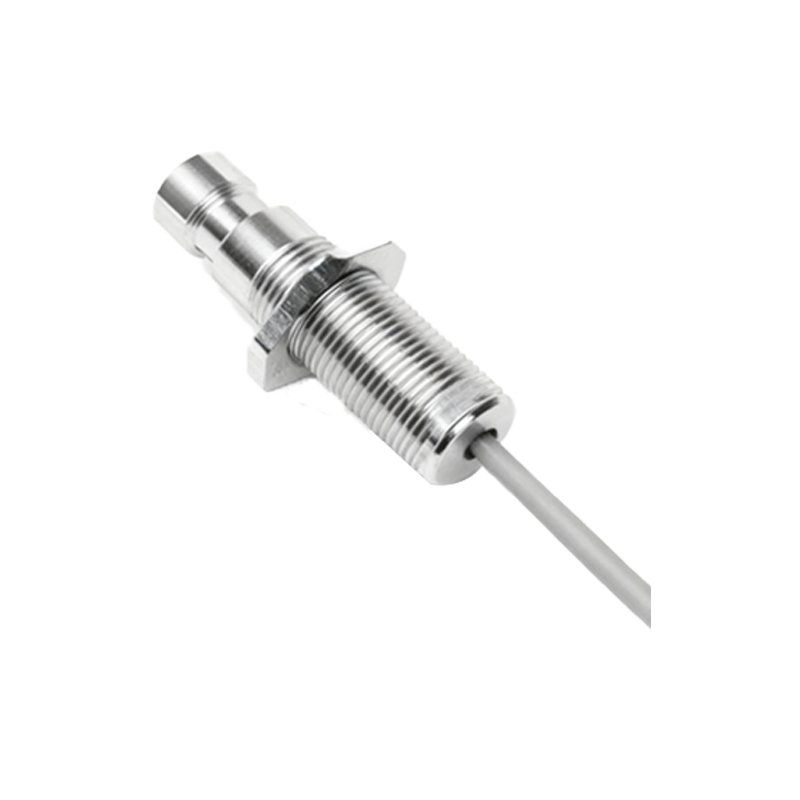
The physical characteristics of the sensor are equally important. The housing style—barrel (cylindrical), rectangular, or slot-type—must suit the mounting constraints. The size must be appropriate for the available space. The housing material, typically nickel-plated brass, stainless steel, or PBT plastic, must withstand the environmental conditions, including exposure to chemicals, oils, or washdowns. The IP (Ingress Protection) rating indicates the level of protection against solids and liquids. For harsh industrial environments, a rating of IP67 (dust-tight and protected against temporary immersion) is common, while food and beverage applications may require IP69K for high-pressure, high-temperature washdowns.
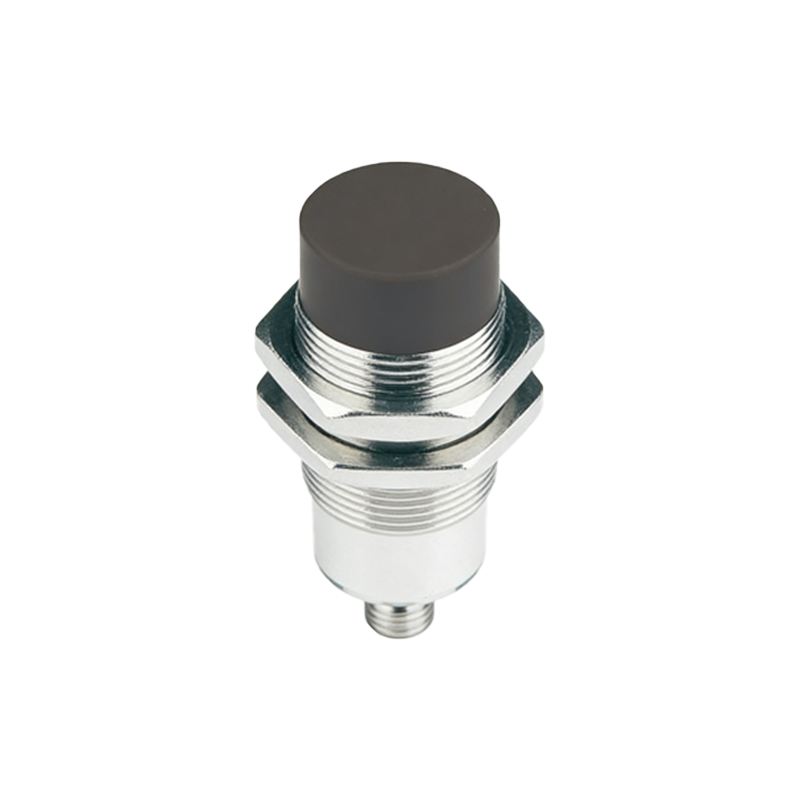
Electrical requirements are a crucial interface between the sensor and the control system. First, determine the required output type: PNP (sourcing) or NPN (sinking). This must match the input card of your PLC or controller. PNP is more common in Europe and many regions, providing a positive voltage output when activated. NPN is common in Asia, sinking current to ground when activated. The output configuration can be normally open (NO) or normally closed (NC). The operating voltage range (e.g., 10-30V DC) must be compatible with your plant's power supply. Also, consider the load current rating to ensure it can drive the connected device, and check if features like short-circuit protection, reverse polarity protection, or an LED status indicator are necessary.
Finally, analyze the specific demands of the application. What is the required switching frequency or response time? High-speed packaging lines demand sensors with millisecond-level response times. What are the environmental extremes? Consider ambient temperature, presence of welding spatter, intense electromagnetic noise, or mechanical vibration and shock. For special applications, you might need analog output sensors for distance measurement, high-temperature sensors for foundries, or factor-1 sensors capable of detecting all metals at the same range.
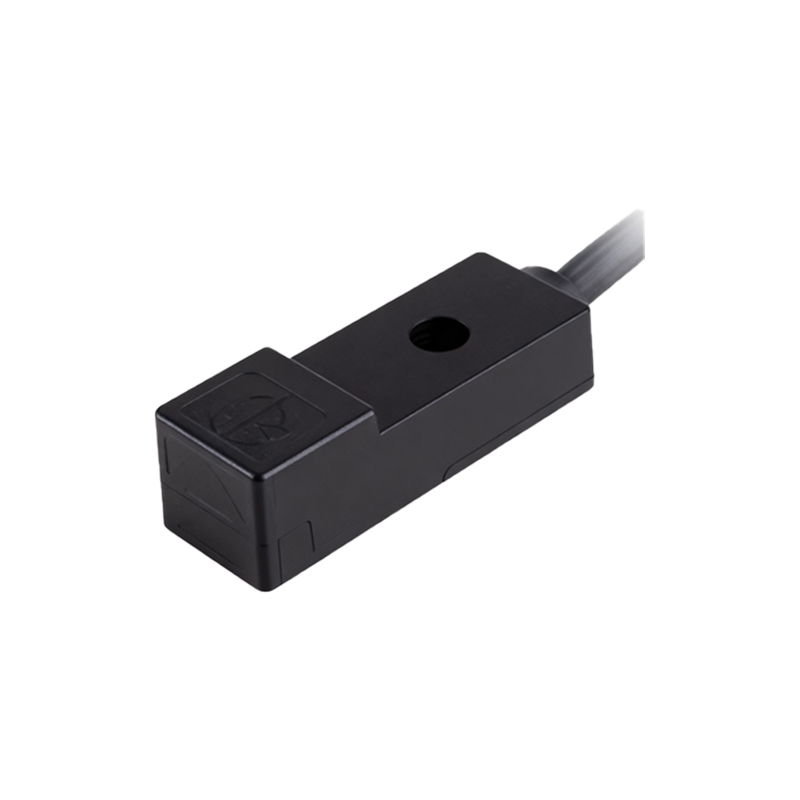
A methodical selection process involves defining the target material, calculating the necessary sensing range with a safety factor, choosing a housing that fits the mechanical and environmental needs, specifying the correct electrical interface, and finally, validating the choice against any special application challenges. Consulting with sensor manufacturers' technical support and reviewing detailed datasheets for performance graphs and environmental ratings is always recommended. By systematically evaluating these parameters, engineers and technicians can specify the most reliable and cost-effective proximity sensor, ensuring seamless integration and long-term operational success.