Proximity sensors are ubiquitous in modern automation and electronics, silently performing critical tasks from detecting object presence to ensuring safety. Among the various technologies enabling these devices, magnetism plays a fundamental and versatile role. Magnetic proximity sensors operate on the principle of detecting changes in a magnetic field. This method offers distinct advantages, including non-contact detection, high reliability in harsh environments, and insensitivity to factors like dirt, dust, or moisture that often plague optical sensors.
At the core of magnetic sensing is the interaction between a sensor element and a magnetic field source, typically a permanent magnet. The most common sensor type is the reed switch, a simple yet effective component. It consists of two ferromagnetic reed contacts sealed within a glass tube filled with inert gas. When a magnet approaches within a certain range, the reeds become magnetized, attract each other, and make contact, closing an electrical circuit. When the magnet moves away, the reeds spring apart, breaking the circuit. Reed switches are prized for their low cost, low power consumption, and ability to switch both low-power AC and DC signals. However, they have limitations in switching speed, mechanical life due to moving parts, and sensitivity to strong external magnetic fields.
A more advanced and widely adopted technology is the Hall-effect sensor. Named after Edwin Hall, this solid-state device generates a voltage difference (the Hall voltage) across an electrical conductor when placed in a perpendicular magnetic field. This voltage is proportional to the strength of the magnetic field. Integrated circuit Hall sensors include amplification, signal conditioning, and switching logic on a single chip. They provide digital on/off signals or analog output proportional to field strength. Hall-effect sensors are robust, have virtually unlimited operational life (no moving parts), offer fast response times, and can operate at higher frequencies than reed switches. They are the preferred choice in applications requiring precision, durability, and small size, such as in automotive systems for sensing wheel speed, gear position, or seatbelt latches.
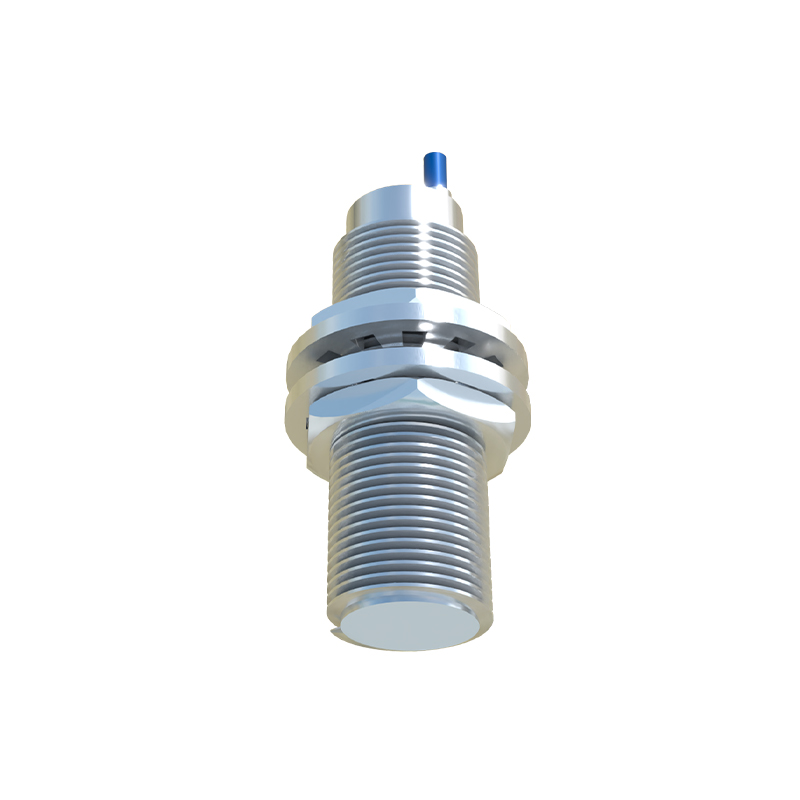
Another key magnetic sensor is the magnetoresistive (MR) sensor. Its electrical resistance changes when exposed to an external magnetic field. Variants like Anisotropic Magnetoresistance (AMR) and Giant Magnetoresistance (GMR) sensors offer extremely high sensitivity, allowing them to detect very small changes in magnetic field strength or direction. This makes them ideal for precise position sensing, rotary encoding, and current sensing applications where minute variations are critical.
The choice of magnet is equally important. Permanent magnets, usually made from materials like ferrite, alnico, or rare-earth elements (neodymium), provide the consistent field needed for operation. The sensor's effective sensing distance, or "switching distance," depends on the magnet's strength, size, shape, and orientation relative to the sensor. Shielding and the presence of ferrous metals in the environment can also significantly influence performance.
Applications of magnetic proximity sensors are vast and cross-industrial. In automotive manufacturing, they count parts on assembly lines or verify door and hood closures. In machine tools and robotics, they provide end-of-travel detection for cylinders and precise positioning feedback. Safety systems use them as non-contact limit switches on guards and doors. In consumer electronics, they enable features like laptop lid closure detection (sleep/wake function) and smartphone flip cover detection. Their immunity to contaminants makes them perfect for use in food processing, agricultural machinery, and outdoor equipment exposed to weather.
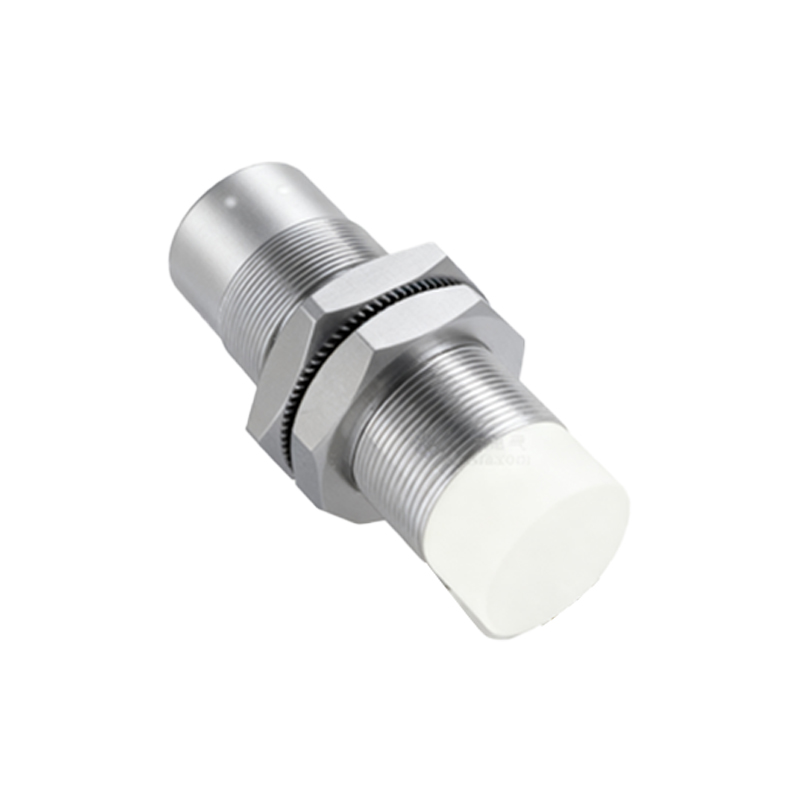
When selecting a magnetic proximity sensor, engineers must consider several parameters: the required sensing distance, the operating environment (temperature, presence of other magnetic fields), the output type needed (digital switch, analog signal), the supply voltage, and the required response speed. For instance, a reed switch might suffice for a simple, low-speed door alarm, while a high-resolution Hall-effect or MR sensor is necessary for accurate motor commutation in an electric vehicle drive system.
In summary, magnetism provides a reliable, robust, and flexible foundation for proximity sensing. From the simple reed switch to sophisticated Hall-effect and magnetoresistive ICs, magnetic proximity sensors solve countless detection challenges across industries. Their non-contact nature, environmental resilience, and evolving capabilities ensure they will remain a cornerstone of automation and smart device design for the foreseeable future, enabling smarter, safer, and more efficient systems.