In the intricate dance of modern machinery and smart devices, a silent sentinel often goes unnoticed: the proximity sensor. This unassuming component is a cornerstone of industrial automation, consumer electronics, and safety systems, enabling machines to "see" and react to the presence or absence of objects without physical contact. The act of selling proximity sensors, therefore, transcends mere component distribution; it involves providing the essential eyes for automated systems, a critical business at the heart of technological advancement.
At its core, a proximity sensor detects the presence of a nearby object. It achieves this by emitting an electromagnetic field or a beam of radiation, such as infrared light, and then looking for changes in the field or return signal. The primary advantage is clear: non-contact detection. This eliminates mechanical wear and tear, allows for high-speed operation, and enables use in harsh environments where dirt, oil, or moisture would incapacitate a physical switch. The market for these sensors is driven by relentless demands for efficiency, precision, and safety across sectors.
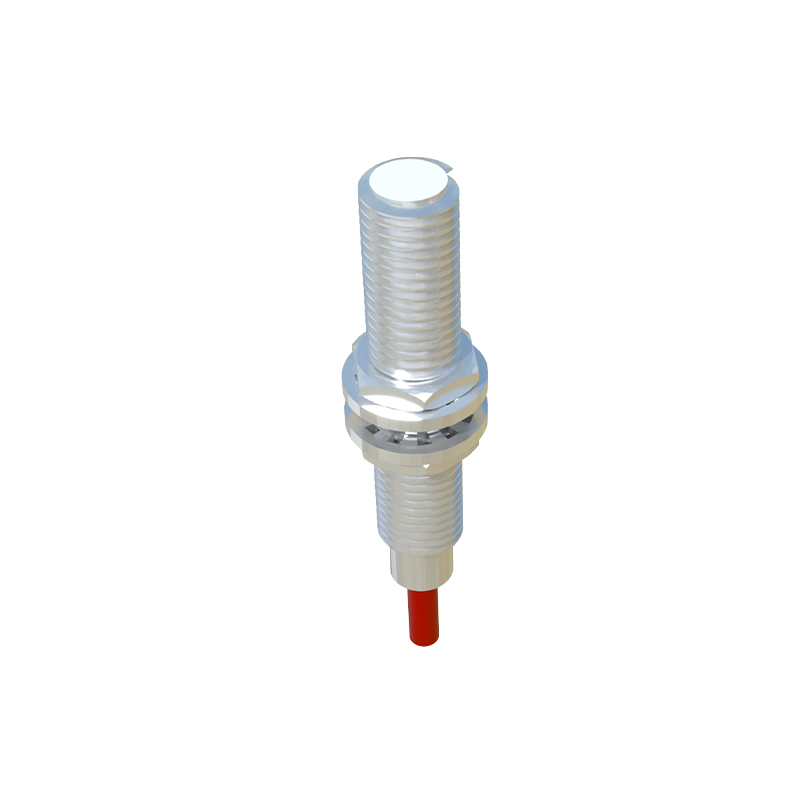
Several key technologies dominate the landscape. Inductive sensors are workhorses in industrial settings, detecting metallic objects. They are incredibly robust, ideal for positioning metal parts on assembly lines or counting metallic products. Capacitive sensors, on the other hand, can detect nearly any material, including liquids, powders, and plastics. This makes them perfect for fill-level control in tanks or detecting non-metallic objects. Ultrasonic sensors use sound waves to measure distance to objects of any material, excelling in challenging environments with dust or vapor, such as in logistics for pallet detection. Finally, photoelectric sensors, using light beams, offer very long sensing ranges and high precision, commonly found in packaging, material handling, and security systems.
Selling these sensors successfully requires a deep understanding of application challenges. A supplier is not just providing a catalog item but engineering a solution. Key considerations for clients include sensing range, the material of the target object, environmental conditions (temperature, contaminants), required response speed, and output type (digital or analog). For instance, a food and beverage plant needing to detect transparent plastic bottles on a high-speed conveyor will have vastly different needs than a metalworking shop detecting the position of a steel beam. The right supplier guides the customer through this selection, ensuring reliability and avoiding costly system failures.
The applications are vast and growing. In automotive manufacturing, proximity sensors ensure robotic arms weld at the exact correct position and verify that components are present before assembly. In consumer electronics, they deactivate smartphone displays during calls to save power and prevent accidental touches. In the realm of safety, they form the invisible guards on dangerous machinery, creating protective fields that instantly halt operation if a person breaches the zone, a critical application known as a safety light curtain. The rise of the Internet of Things (IoT) and Industry 4.0 further propels demand, as these sensors provide the essential data on machine status and production flow for smart, connected factories.
For businesses engaged in selling proximity sensors, the value proposition extends beyond the device itself. It encompasses technical support, customization capabilities, reliable supply chains, and after-sales service. Partners look for suppliers with a broad portfolio who can act as a single source for diverse sensing needs. Furthermore, with increasing emphasis on predictive maintenance, sensors with diagnostic capabilities—able to report on their own health or environmental changes—are becoming highly sought after. Educating the market on these advanced features is part of a sophisticated sales strategy.
In conclusion, the business of providing proximity sensors is integral to technological progress. These devices are the fundamental enablers of automation, efficiency, and safety. As industries worldwide push towards greater autonomy and intelligence in their operations, the demand for reliable, accurate, and innovative proximity sensing solutions will only intensify. Suppliers who combine deep technical expertise with a solution-oriented approach will not only thrive commercially but will also play a pivotal role in shaping the automated future.