In the rapidly evolving landscape of automation and smart technology, proximity sensors have become indispensable components. These devices, capable of detecting the presence or absence of an object without physical contact, are critical for efficiency, safety, and precision across countless applications. From assembly lines and robotic arms to smartphones and automotive systems, the choice of sensor brand can significantly impact performance and reliability. This guide explores leading brands in the proximity sensor market, highlighting their core strengths and typical use cases.
When discussing premier brands, names like Sick AG, Omron, and Keyence consistently dominate industrial conversations. Sick, a German powerhouse, is renowned for its robust and highly precise sensors designed for challenging environments. Their product portfolio includes innovative solutions for factory automation, logistics, and process automation, often praised for exceptional durability and advanced diagnostic capabilities. Omron, a Japanese multinational, offers an exceptionally wide range of proximity sensors, including inductive, capacitive, and ultrasonic types. Their strength lies in consistent quality, global availability, and sensors tailored for everything from basic presence detection to complex positioning tasks. Keyence, another Japanese leader, is synonymous with high-performance and cutting-edge technology. They often push the envelope with sensors featuring ultra-long sensing distances, miniaturization, and sophisticated embedded intelligence, making them a favorite for advanced manufacturing and R&D applications.
For applications requiring extreme robustness and seamless integration into control systems, Rockwell Automation (Allen-Bradley) and Siemens are go-to choices. Rockwell's Allen-Bradley sensors are integral to their ecosystem, offering excellent reliability and easy configuration within their Logix control platforms, which is a major advantage for large-scale industrial installations. Siemens provides a comprehensive sensor range that excels in precision engineering and seamless connectivity within digital enterprise and IoT frameworks, supporting Industry 4.0 initiatives.
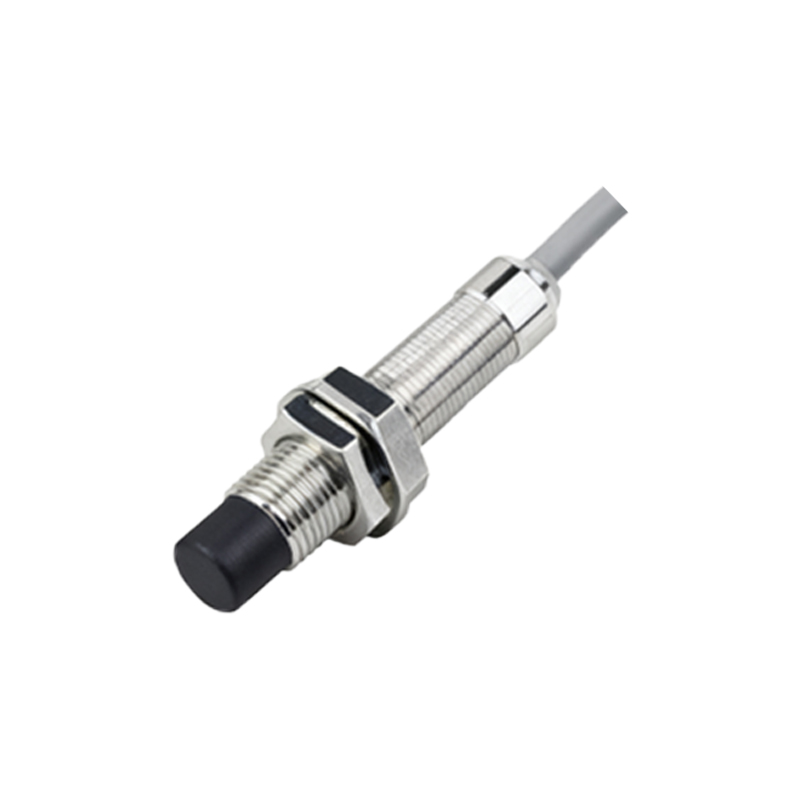
In the realm of more cost-sensitive or high-volume applications, brands like Pepperl+Fuchs, Balluff, and Turck offer outstanding value. Pepperl+Fuchs is a global specialist in sensor technology and intrinsic safety, providing highly reliable sensors for both standard and hazardous areas. Balluff, known for its innovation in connectivity and IO-Link technology, offers smart sensors that provide valuable process data beyond simple switching. Turck excels in producing ruggedized sensors for harsh conditions and provides versatile solutions with a strong focus on connectivity options.
The consumer electronics and automotive sectors rely heavily on specialized suppliers. Companies like Vishay, TE Connectivity, and Panasonic produce millions of miniature, highly reliable proximity sensors annually. These components are found in smartphones for display management, in vehicles for parking assistance and occupancy detection, and in countless home appliances. Their focus is on miniaturization, low power consumption, and mass-production consistency.
Selecting the right brand involves a careful evaluation of several factors beyond just the datasheet. Application environment is paramount; a sensor for a clean, dry electronics assembly line has different requirements than one for a wet, dusty, or vibratory setting in a steel mill. Required sensing distance, target material (metal, plastic, liquid), output type (PNP/NPN, analog, IO-Link), and electrical requirements are fundamental technical specs. However, equally important are supply chain stability, local technical support, and the ease of integration with existing control architecture. A premium sensor from a brand like Keyence might offer unparalleled features for a critical high-speed application, while a robust Omron or Sick sensor might be the perfect workhorse for general-purpose industrial use. For designers embedding sensors into consumer products, the global manufacturing footprint and cost structure of a supplier like Vishay or Panasonic become critical.
Ultimately, the "best" brand does not exist in a vacuum; it is defined by the specific problem it needs to solve. The market leaders have earned their reputation by delivering reliability, innovation, and support across diverse sectors. As technology advances towards greater connectivity and intelligence, these brands are increasingly integrating smart features like predictive maintenance data and standardized digital communication protocols into their sensors. Understanding the core competencies of each major player provides a strategic starting point for engineers, procurement specialists, and designers to make informed decisions, ensuring optimal performance, longevity, and value in their projects.