Square proximity sensors are essential components in industrial automation, security systems, and consumer electronics, detecting the presence or absence of objects without physical contact. Their pricing varies significantly based on technology, specifications, and application requirements. Understanding the factors influencing square proximity sensor costs helps buyers make informed decisions.
The price of a square proximity sensor primarily depends on the sensing technology employed. Inductive sensors, commonly used for metal detection, are generally economical, with prices ranging from $15 to $80 per unit. Capacitive sensors, suitable for non-metallic materials like liquids or plastics, tend to be slightly more expensive, typically costing between $20 and $120. Photoelectric square sensors, offering longer detection ranges, can vary from $30 to $150, depending on features such as background suppression or fiber optic integration. High-end models with advanced functionalities, like analog outputs or IO-Link communication, often exceed $200.
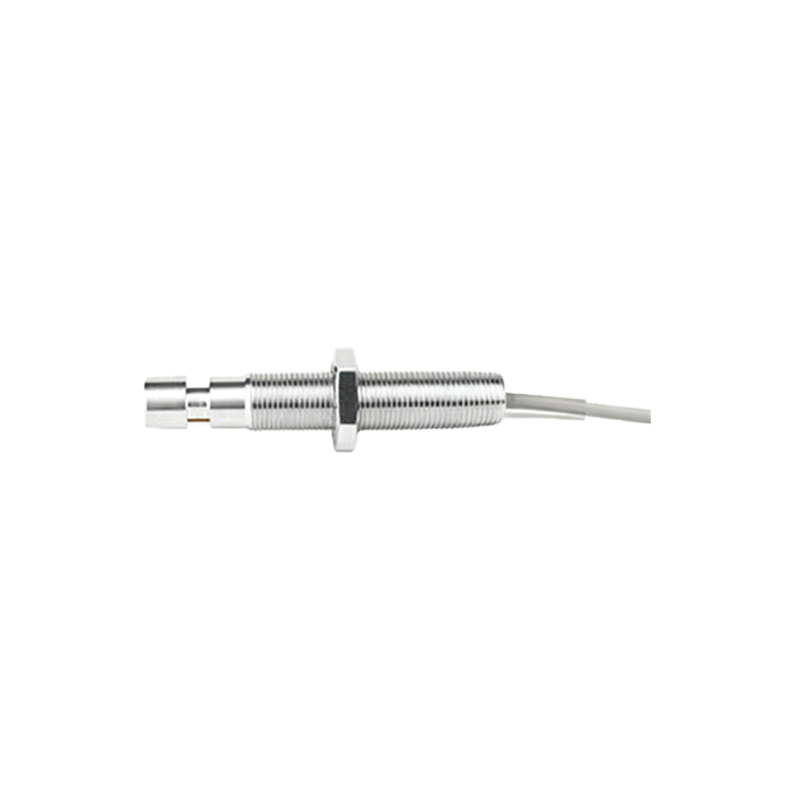
Specifications play a crucial role in determining cost. Detection range is a key factor; sensors with ranges under 5mm are usually lower-priced, while those exceeding 20mm command higher prices. Housing material also affects cost—plastic enclosures are budget-friendly, whereas stainless steel or IP67-rated industrial housings increase durability and price. Additional features like adjustable sensitivity, temperature resistance, or embedded diagnostics add to the expense. For instance, a standard inductive square sensor might cost around $25, but a version with extended temperature tolerance (-25°C to 70°C) could be priced at $40 or more.
Market trends show that bulk purchasing reduces per-unit costs significantly. Industrial suppliers often offer discounts for orders of 50 units or more, with prices dropping by 10-30%. Online platforms like Amazon or AliExpress list generic square proximity sensors for as low as $10, but these may lack certifications or reliability for critical applications. In contrast, branded products from manufacturers like Omron, Schneider Electric, or Sick are priced higher, ranging from $50 to $300, due to rigorous testing, warranties, and compliance with international standards (e.g., CE, UL).
Regional factors influence pricing as well. In North America and Europe, square proximity sensors are typically 15-25% more expensive due to higher manufacturing and compliance costs. Asian markets, particularly China and Taiwan, offer competitive prices, with many sensors priced 20-40% lower, though buyers should verify quality controls. Emerging technologies, such as miniaturized sensors for IoT devices, are driving prices down for basic models while premium smart sensors with networking capabilities see rising demand and stable high prices.
To optimize spending, assess application needs carefully. For simple object detection in non-harsh environments, mid-range sensors ($30-$60) are sufficient. In demanding settings like automotive manufacturing or food processing, invest in robust sensors ($80-$200) to avoid downtime. Consider total cost of ownership, including installation and maintenance, rather than just initial purchase price. Many suppliers provide lifecycle support, which can justify higher upfront costs.
In summary, square proximity sensor prices are shaped by technology, features, brand, and market dynamics. By evaluating technical requirements and sourcing strategically, businesses can balance performance and budget effectively. As automation expands globally, sensor affordability and innovation are expected to improve, offering more options across price points.