Metal proximity sensors are essential components in industrial automation, machinery safety systems, and various detection applications. Proper wiring is critical to ensure reliable operation, prevent damage, and maintain safety standards. This guide provides a clear, step-by-step approach to wiring metal proximity sensors, covering key principles, common configurations, and practical tips.
Understanding the basic types of metal proximity sensors is the first step. Inductive proximity sensors are the most common for detecting metallic objects. They typically have three wires: brown (positive), blue (negative), and black (output). Some sensors may have two or four wires depending on the design (e.g., NPN or PNP output types). Always refer to the sensor’s datasheet or manual before starting, as wiring colors and functions can vary by manufacturer and model.
Power supply requirements must be carefully checked. Most DC inductive proximity sensors operate within a range of 10-30V DC. Using an incorrect voltage can lead to sensor failure or erratic behavior. Ensure the power source is stable and matches the sensor’s specifications. For AC sensors, verify voltage and frequency compatibility (e.g., 90-250V AC, 50/60Hz). Never mix AC and DC power unless the sensor is explicitly designed for dual use.
Wiring steps for a standard three-wire DC sensor:
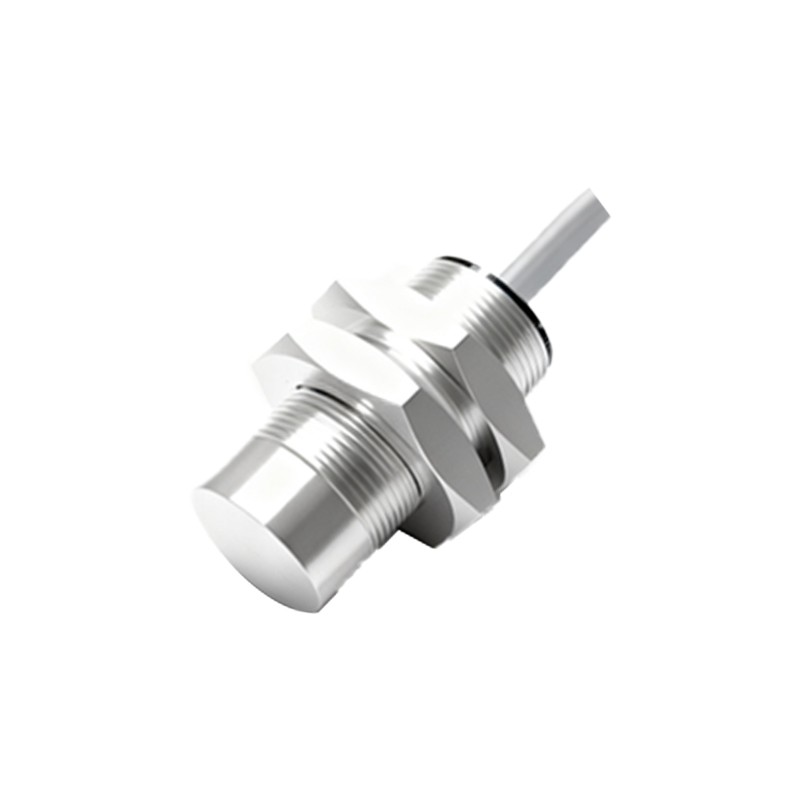
1. Disconnect all power sources to prevent electrical shock or short circuits.
2. Identify the wires: brown (L+ or positive), blue (L- or negative), and black (output).

3. Connect the brown wire to the positive terminal of the power supply.
4. Connect the blue wire to the negative terminal of the power supply.
5. Connect the black wire to the load (e.g., PLC input, relay, or indicator light).
6. Ensure all connections are secure and insulated. Use cable glands or strain relief if the sensor is installed in harsh environments.
Output types (NPN vs. PNP) determine how the sensor interacts with the control system. NPN sensors (sinking output) switch the negative side of the load, while PNP sensors (sourcing output) switch the positive side. Choose the type that matches your PLC or controller input configuration. Incorrect pairing may cause the system to malfunction. For example, if a PLC expects a PNP input but an NPN sensor is wired, the PLC may not detect signals correctly.
Shielded cables are recommended for long-distance wiring or electrically noisy environments. Noise from motors, frequency drives, or power lines can interfere with sensor signals. Connect the cable shield to ground at one end only (usually the control panel side) to avoid ground loops. Keep sensor cables away from high-voltage lines and separate them by at least a few inches where possible.
Testing the installation is crucial. After wiring, restore power and observe the sensor’s indicator LED. Most sensors have a light that turns on when power is applied and blinks or changes state when a metal target is detected. Use a piece of metal (e.g., a screwdriver) to test detection range and response. Check the load device (e.g., PLC input status) to confirm the output signal is working. If issues arise, double-check wiring, power supply, and sensor alignment.
Common mistakes to avoid include reversing power polarity, over-tightening connections (which can damage wires), and ignoring environmental factors like moisture, temperature, or vibration. For sensors in washdown areas or outdoors, select models with appropriate IP ratings and use waterproof connectors. Regular maintenance, such as cleaning the sensor face and inspecting cables for wear, helps prolong lifespan.
In summary, wiring a metal proximity sensor correctly involves understanding its type, verifying power needs, following color codes, and considering output compatibility. Always prioritize safety by disconnecting power during installation and testing thoroughly before full operation. With proper wiring, these sensors provide accurate, long-lasting performance in diverse industrial settings.