Proximity sensors are ubiquitous in modern technology, silently performing critical tasks in smartphones, industrial machinery, vehicles, and security systems. A fundamental question for engineers, designers, and curious users alike is: how far can these sensors actually detect? The answer is not a single figure but a spectrum, heavily dependent on the sensor's underlying technology, its specific design, and the target material. Understanding these factors is key to selecting the right sensor for any application.
The detection range, often called the sensing distance, is the maximum distance at which a sensor can reliably detect a standard target. It's crucial to note that this is typically specified for ideal conditions. The primary technologies—inductive, capacitive, ultrasonic, and photoelectric—each have distinct operating principles that dictate their effective ranges.
Inductive Proximity Sensors are workhorses in industrial automation, detecting metallic objects. Their range is relatively short, typically from a few millimeters up to about 60 millimeters (just over 2 inches). The range depends on the sensor's size, the coil design, and the type of metal; ferrous metals like iron are detected at a greater distance than non-ferrous metals like aluminum or copper. Their short range is actually an asset in harsh environments, providing immunity to dust, oil, and other contaminants.
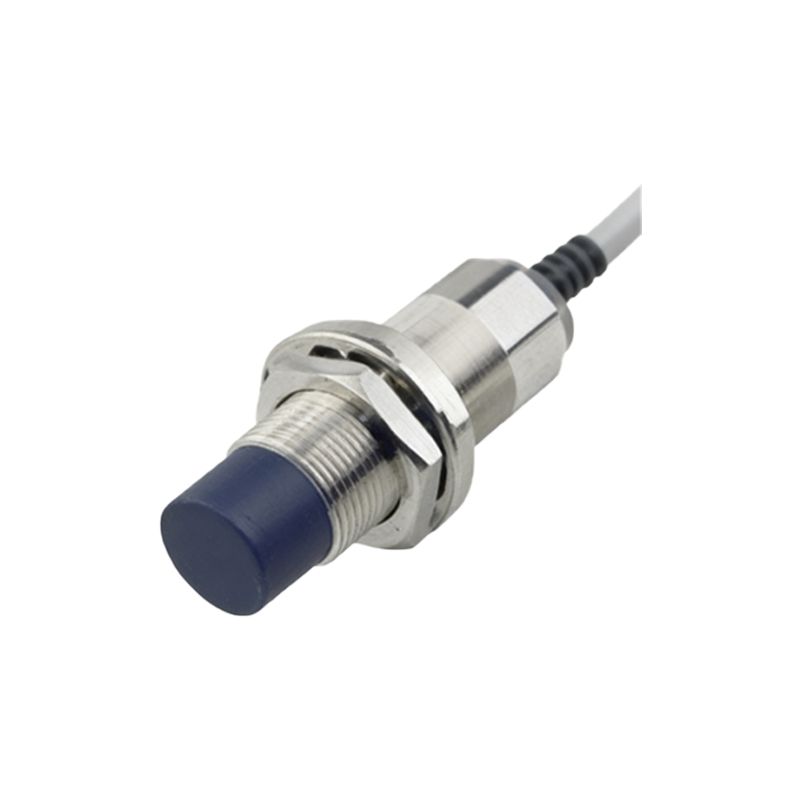
Capacitive Proximity Sensors can detect both metallic and non-metallic materials (plastics, wood, liquids, granules) by sensing changes in capacitance. Their typical sensing range is similar to or slightly less than inductive sensors, often from a few millimeters up to 25 millimeters. The dielectric constant of the target material significantly affects the range; materials with high water content can be detected from a slightly farther distance. These sensors are ideal for level detection or presence sensing of non-metals.
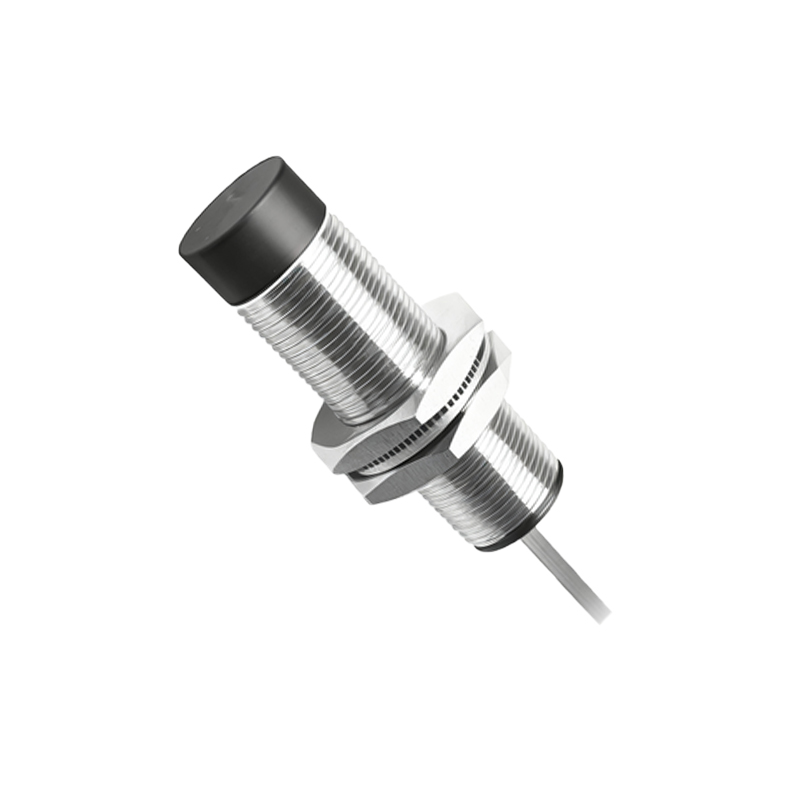
For longer ranges, Ultrasonic Sensors are a dominant choice. They work by emitting sound waves beyond human hearing and measuring the time for the echo to return. Their effective range is impressive, spanning from a few centimeters up to several meters. Common industrial ultrasonic sensors offer ranges from 20-30 cm up to 6-8 meters. Some specialized long-range models can detect objects up to 15 meters away. Their performance can be influenced by the target's surface texture (soft materials absorb sound), angle, and environmental factors like temperature and air turbulence.
Photoelectric Sensors use light beams (usually infrared, visible red, or laser) for detection and offer the most versatile and often the longest ranges. They are divided into several modes. Diffuse (proximity) mode sensors, where the emitter and receiver are in one housing and rely on light reflected from the target, have moderate ranges from a few centimeters up to 2 meters. Retro-reflective mode sensors, which bounce light off a reflector, can achieve ranges of 10 meters or more. The champions of distance are Thru-beam (through-beam) sensors, with a separate emitter and receiver. Standard models reliably work at 10-20 meters, while high-powered laser-based thru-beam sensors can have sensing distances exceeding 100 meters, even up to 300 meters in some cases. Factors like target color, reflectivity, ambient light, and fog or dust can attenuate the light beam and reduce the effective range.
Beyond the core technology, several practical factors influence real-world detection distance. The size and shape of the target are critical; a larger, flat surface perpendicular to the sensor will be detected more easily than a small, curved, or angled one. Environmental conditions are paramount. Dust, steam, rain, and extreme temperatures can dramatically reduce the range of optical and ultrasonic sensors. Sensor mounting and electrical configuration also matter. Incorrect installation or improper voltage supply can lead to suboptimal performance.
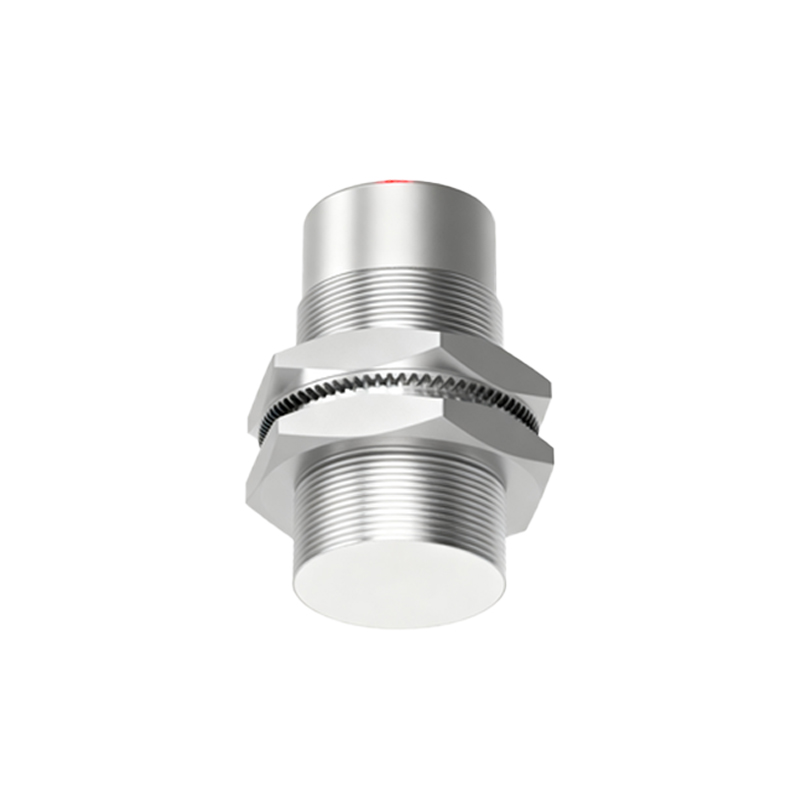
In summary, the question "how far" has a layered answer. For close-up, robust metal detection, inductive sensors cover up to ~60mm. For non-metals at similar short ranges, capacitive sensors are used. When meters of range are needed, ultrasonic sensors provide reliable performance for many material types. For the ultimate in long-range, precise detection, especially of small objects, photoelectric thru-beam sensors are the undisputed choice, capable of spanning hundreds of meters under clear conditions. Always consult the manufacturer's datasheet for the nominal sensing distance under standardized conditions (often a specified square metal target for inductive sensors), and remember that real-world application requires considering all influencing factors to ensure reliable operation.