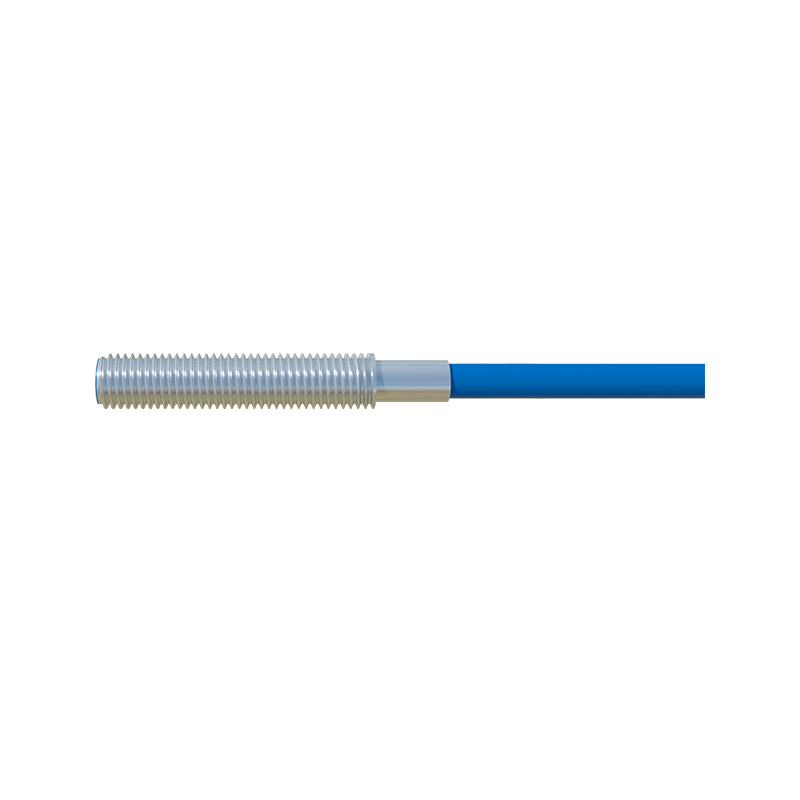
Proximity sensors are fundamental components in modern automation, robotics, and countless electronic devices. Their primary function is to detect the presence or absence of an object within a specified range without any physical contact. This non-contact detection offers significant advantages, including no mechanical wear, high reliability, and fast response times. The classification of proximity sensors is primarily based on the underlying technology they employ to sense objects. Understanding these categories is crucial for selecting the right sensor for a specific application.
The most prevalent type is the Inductive Proximity Sensor. These sensors generate an electromagnetic field. When a metallic object enters this field, it induces eddy currents within the object, which in turn cause a change in the sensor's own oscillation amplitude. This change is detected and triggers the sensor's output switch. Inductive sensors are exclusively for detecting metals, with their effective sensing range and performance varying based on the metal's type (e.g., steel, aluminum, copper). They are robust, resistant to environmental factors like dust and oil, and are widely used in industrial manufacturing for tasks like part counting, machine tool positioning, and metal detection.
In contrast, Capacitive Proximity Sensors can detect both metallic and non-metallic materials, including liquids, powders, plastics, and wood. They operate by generating an electrostatic field. Any object that enters this field alters the capacitance of the sensor's circuit. The sensor detects this capacitance change and activates its output. Capacitive sensors are ideal for applications involving non-metallic targets or where the target material varies. Common uses include liquid level detection in tanks, material handling for plastics or paper, and presence detection of glass or wood products.
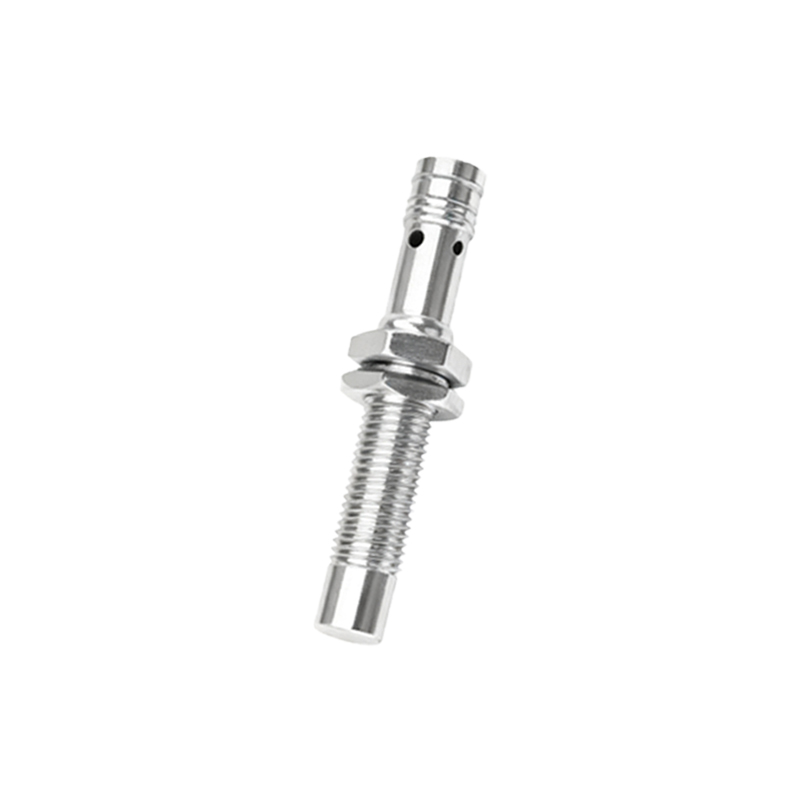
Ultrasonic Proximity Sensors utilize sound waves beyond the human hearing range. They emit high-frequency ultrasonic pulses and then measure the time it takes for the echo to return after bouncing off a target object. By calculating this "time-of-flight," the sensor can determine both the presence and the distance to the object. Ultrasonic sensors are effective for detecting objects of virtually any material, shape, or color, and they perform well in challenging environments with dust, smoke, or moisture. They are commonly found in automotive parking assist systems, container level measurement, and robotic obstacle avoidance.
Photoelectric Sensors, or optical proximity sensors, use light to detect objects. They consist of a light emitter (usually an LED) and a receiver. When the emitted light beam is interrupted or reflected by an object, the receiver detects the change in light intensity, signaling the object's presence. Photoelectric sensors come in several main configurations: through-beam (separate emitter and receiver), retro-reflective (uses a reflector), and diffuse-reflective (senses light reflected directly from the object). They offer very long sensing ranges and can detect small objects, making them suitable for packaging lines, conveyor systems, and assembly automation.
A specialized category is the Magnetic Proximity Sensor or Reed Switch. These sensors detect the presence of a permanent magnet. The sensor contains two ferromagnetic reeds sealed in a glass tube. When a magnet approaches, the reeds are magnetized and attract each other, closing the electrical contact. They are simple, cost-effective, and require very little power, making them perfect for low-power applications like door/window security sensors, bicycle speedometers, and float level switches in appliances.
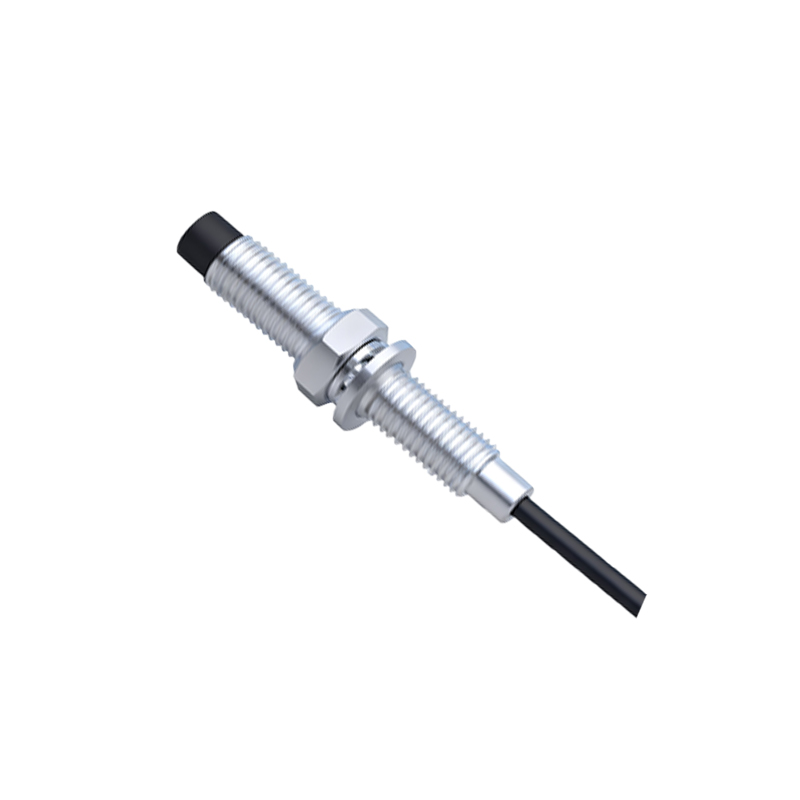
Finally, Hall Effect Sensors detect magnetic fields but operate on a different principle. They produce a voltage output (the Hall voltage) proportional to the strength of an applied magnetic field when a current flows through the sensor. They are solid-state, highly reliable, and can be used for precise position sensing, speed detection (e.g., in brushless DC motors), and current sensing applications.
Selecting the appropriate proximity sensor involves careful consideration of several factors: the target material, required sensing distance, environmental conditions (temperature, contaminants), response speed, output type (digital or analog), and electrical requirements. For instance, an inductive sensor is the clear choice for a metal part detection task on an oily factory floor, while a capacitive sensor would be necessary for monitoring plastic granulate levels in a hopper, and an ultrasonic sensor might be best for measuring the distance to a pallet in a dusty warehouse. By understanding the distinct classifications and operating principles, engineers and technicians can effectively leverage these versatile devices to enhance system intelligence, safety, and efficiency.