In the world of industrial automation and electronic control, the ability to detect the presence or absence of an object without physical contact is a fundamental requirement. This critical task is performed by two closely related devices: proximity switches and proximity sensors. While the terms are often used interchangeably in casual conversation, understanding their nuances, operating principles, and applications is key to selecting the right component for any system.
At its core, a proximity sensor is a device that detects the presence of a nearby object and converts this information into an electrical signal. This detection occurs without any physical contact, hence the term "proximity." The sensor itself is the component that performs the actual sensing through various technologies. A proximity switch, on the other hand, typically refers to a complete, self-contained unit that incorporates a proximity sensor and a switching mechanism. Its primary function is to act as a digital on/off control device—when an object enters its detection range, it triggers a change in its output state, effectively "switching." This output is often a simple signal to a Programmable Logic Controller (PLC) or another control system.
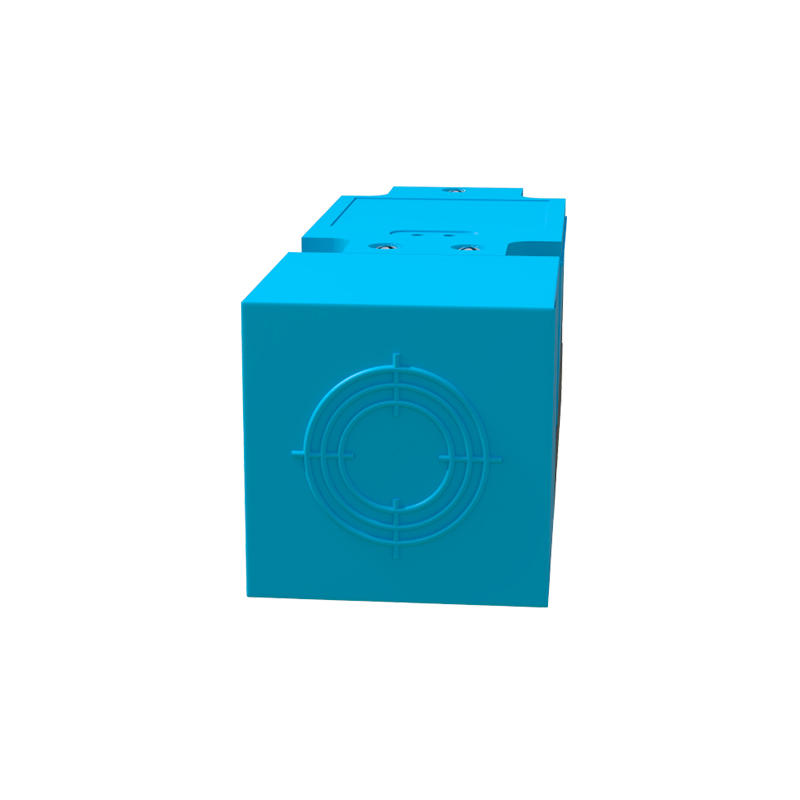
Several technologies enable this non-contact detection, each with distinct advantages and ideal use cases. Inductive proximity sensors are among the most common. They generate an electromagnetic field and detect changes caused by metallic objects entering that field. They are exceptionally reliable, robust against environmental factors like dirt and moisture, and are widely used in manufacturing for detecting metal parts, counting, or determining position. Capacitive proximity sensors operate similarly but can detect both metallic and non-metallic materials—plastics, wood, liquids, and granular substances—by sensing changes in capacitance. This makes them perfect for level detection in tanks or sensing materials through container walls.
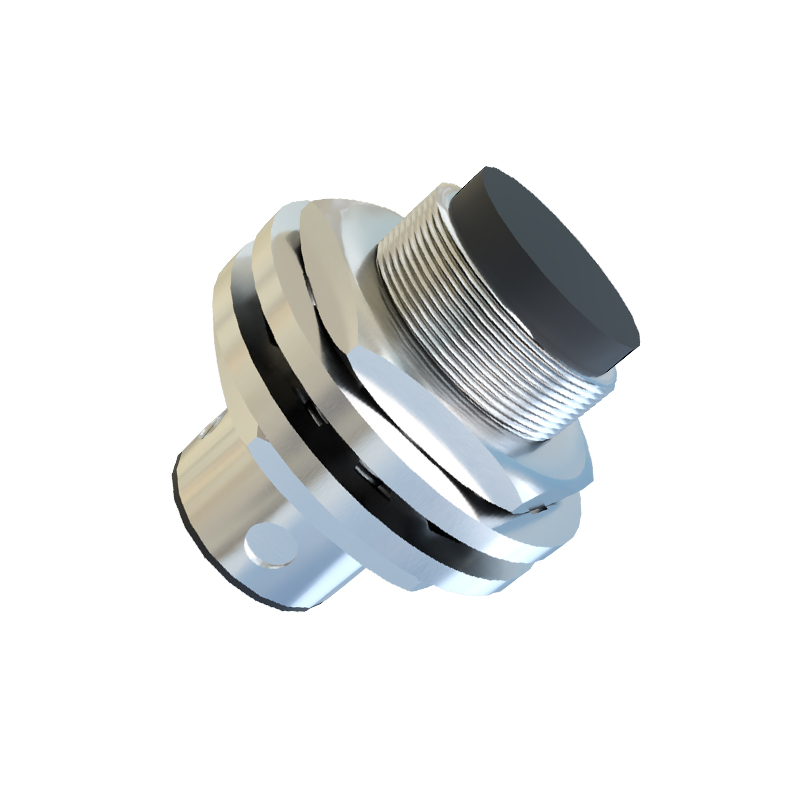
For longer-range detection or applications involving non-metallic objects, photoelectric sensors use a beam of light (visible, infrared, or laser). An object is detected when it interrupts or reflects this light beam. Ultrasonic sensors employ sound waves beyond human hearing, measuring the time it takes for an echo to return, which is excellent for distance measurement and level sensing in challenging environments with dust or vapor. Finally, magnetic proximity sensors, often called reed switches, are activated by the presence of a permanent magnet. They are simple, cost-effective, and frequently used for door and cover position sensing.
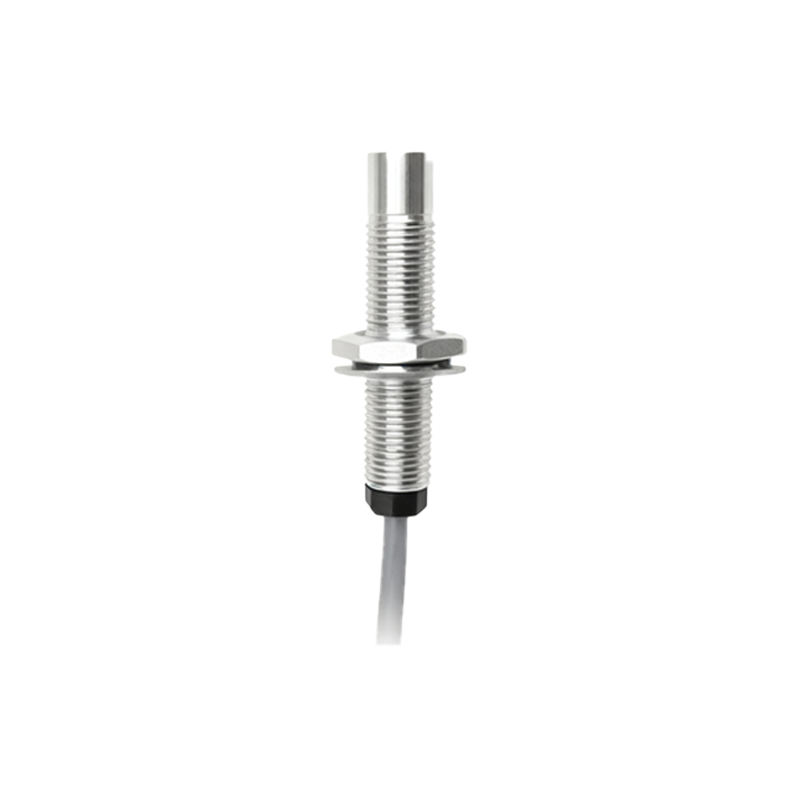
The applications for these devices are vast and span nearly every industry. On automated assembly lines, inductive proximity switches ensure a component is in place before a robotic arm performs an operation. In the automotive sector, they monitor the position of cylinders and moving parts. Capacitive sensors control fluid levels in food and beverage processing. Photoelectric sensors are the backbone of object counting on conveyor belts and safety light curtains to protect workers. In everyday life, they are found in touchscreen phones (capacitive), automatic faucets (often infrared photoelectric), and elevator door safety systems.
Choosing between a proximity sensor and a switch, and selecting the right technology, depends on several critical factors. The material of the target object is paramount: is it metallic, non-metallic, or liquid? The required sensing distance varies greatly; inductive sensors work over short ranges (a few millimeters to tens of millimeters), while ultrasonic and some photoelectric sensors can detect objects several meters away. Environmental conditions such as temperature, humidity, dust, and potential wash-downs dictate the required ingress protection (IP) rating. The output type is also crucial: does the application need a simple digital switch signal (NPN or PNP), an analog output proportional to distance, or a specific communication protocol like IO-Link?
Installation and maintenance are generally straightforward due to their non-contact nature, which eliminates mechanical wear. However, proper mounting, alignment (for photoelectric and ultrasonic types), and electrical connection are essential. Users must ensure that the sensor is not influenced by background materials or electrical noise, which could cause false triggering. Regular cleaning of the sensing face and verification of operational distance are recommended maintenance practices.
In summary, proximity switches and sensors are indispensable enablers of modern automation, providing reliable, wear-free detection that enhances efficiency, safety, and system intelligence. The distinction often lies in the packaging and primary function—sensing versus switching—but the underlying technologies unite them. By carefully considering the target, environment, range, and output needs, engineers and technicians can leverage these versatile devices to create more responsive, automated, and intelligent systems across countless applications. Their continued evolution, including miniaturization and smarter, networked capabilities, promises to further expand their role in the interconnected industrial landscape.