In modern automation and smart device applications, integrating sensors with everyday appliances enhances both functionality and energy efficiency. One practical implementation is a fan system controlled by a proximity sensor. This setup allows the fan to operate automatically based on the presence or absence of people in a designated area, reducing power consumption and providing hands-free convenience.
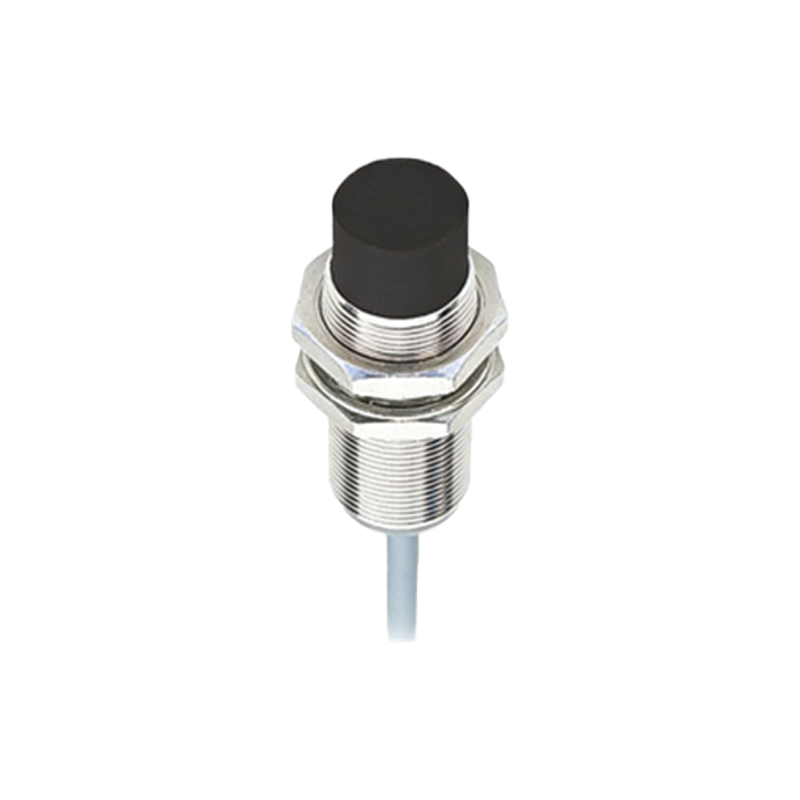
The core component of this system is the proximity sensor, which detects objects or humans within a specific range without physical contact. Common types include infrared (IR), ultrasonic, and capacitive sensors. For fan control, IR sensors are often preferred due to their cost-effectiveness and reliability in detecting human presence. The sensor emits infrared light and measures the reflection; when an object enters its detection zone, the reflected signal changes, triggering the sensor's output.
To build a proximity sensor-controlled fan, you'll need basic electronic components: a proximity sensor module (e.g., HC-SR501 for IR), a microcontroller like Arduino or Raspberry Pi for processing, a relay module to handle the fan's power supply, and a standard DC or AC fan. The sensor connects to the microcontroller's input pins, while the relay interfaces with the output pins to switch the fan on or off. Programming involves writing code to read the sensor's signal—when it detects proximity, the microcontroller activates the relay, powering the fan. After the sensor no longer detects presence, a delay timer can be set to keep the fan running for a few minutes before shutting off, ensuring continuous comfort.
This system offers significant advantages. Energy savings are achieved by preventing the fan from operating in unoccupied spaces, which is especially useful in offices, bathrooms, or smart homes. It also adds convenience in scenarios where manual control is impractical, such as in hands-free environments or for individuals with mobility issues. Additionally, the design is scalable; for instance, multiple sensors can be deployed in larger areas to control several fans or integrated with other smart devices via IoT platforms for enhanced automation.
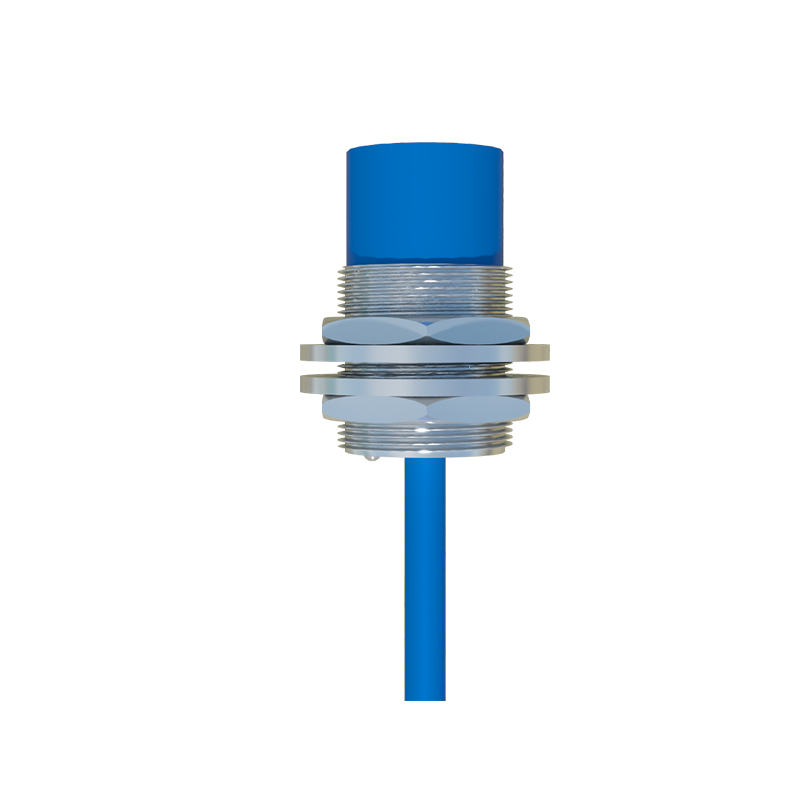
In implementation, consider factors like sensor range adjustment, which can be tuned to avoid false triggers from pets or moving objects. Placement is crucial—mount the sensor at an optimal height and angle to cover the desired area effectively. For safety, ensure proper insulation and use a relay rated for the fan's voltage and current. Testing should involve verifying the sensor's response time and the fan's operation under different conditions to ensure reliability.
Beyond basic setups, advanced versions can incorporate features like speed control based on proximity distance or data logging via cloud services. Such systems exemplify how simple sensor technology can transform ordinary appliances into intelligent, efficient tools. By adopting proximity sensor-controlled fans, users contribute to sustainable energy practices while enjoying automated comfort. Overall, this project demonstrates a straightforward yet impactful application of electronics in daily life, encouraging further innovation in smart automation.