Proximity sensors designed for the human body represent a fascinating intersection of technology and physiology. These devices detect the presence or absence of a person within a specific range without any physical contact. Their operation hinges on various principles, primarily emitting a field or beam of electromagnetic radiation, such as infrared light, and then looking for changes in the field or return signal. When a person enters this predefined zone, the sensor interprets the disturbance and triggers a pre-programmed action.
The core function of these sensors is to enable automation and enhance safety through non-contact interaction. In consumer electronics, this technology is ubiquitous. Consider the smartphone in your pocket. When you lift it to your ear during a call, a small infrared proximity sensor near the earpiece detects your presence and automatically turns off the touchscreen display. This prevents accidental cheek-presses that could mute the call or dial other numbers, while also conserving battery power. Similarly, laptops and tablets use these sensors to dim or turn off screens when a user looks away, optimizing energy use.
Beyond personal devices, human proximity sensors play a critical role in public infrastructure and building automation. Automatic doors in supermarkets, airports, and hospitals are perhaps the most visible application. A sensor, often mounted above the door frame, continuously monitors the approach area. Upon detecting a person moving towards the door, it sends a signal to the door mechanism to slide open, facilitating hands-free access. This is not only convenient for individuals carrying items but also essential for maintaining hygiene in medical settings and providing accessibility for people with disabilities.

In the realm of industrial and workplace safety, their role becomes even more vital. They are integrated into machinery and robotic systems to create safety perimeters. If a worker inadvertently steps too close to a hazardous moving part, the sensor can instantly send a stop signal, preventing potential injuries. This application is crucial in factories, warehouses, and any environment where humans collaborate with large, automated equipment.
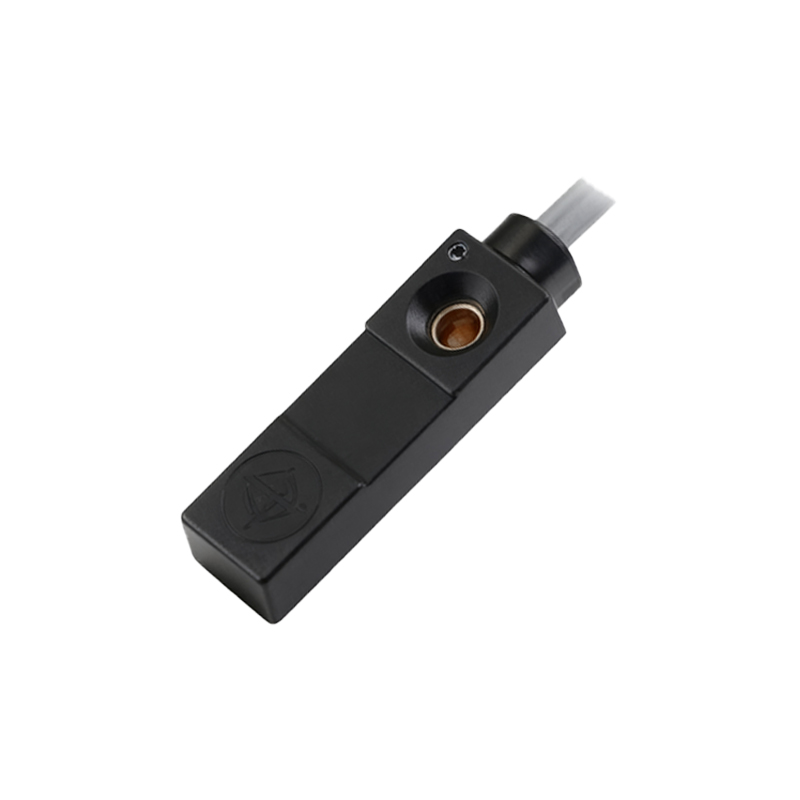
Another significant application is in energy management systems for smart buildings. Sensors installed in rooms, particularly in offices, conference rooms, and restrooms, can detect occupancy. They can automatically control lighting, heating, ventilation, and air conditioning (HVAC) systems based on whether a space is occupied or vacant. For instance, lights turn on when someone enters a room and switch off after a period of detected absence. This leads to substantial reductions in energy consumption and operational costs, contributing to more sustainable building practices.
The automotive industry heavily relies on advanced proximity sensing, often in the form of ultrasonic or radar sensors, for driver-assistance features. While these systems detect objects, they are calibrated to recognize human forms. Parking assistance systems use them to measure distances to obstacles, warning the driver with audible beeps. More advanced systems can trigger automatic braking if a pedestrian is detected in the vehicle's path, showcasing a direct application for human safety.
Looking forward, the integration of proximity sensing is expanding into healthcare and ambient assisted living. Systems can monitor the movement patterns of elderly individuals living alone. An unusual lack of movement in typically active periods could trigger an alert to caregivers or family members, enabling timely intervention. In interactive exhibits, digital signage, and retail, sensors can detect approaching customers to trigger welcome messages or specific content, creating engaging, responsive environments.
The effectiveness of a human proximity sensor depends on factors like its detection range, response time, and immunity to environmental interference such as ambient light or temperature fluctuations. Modern sensors are becoming increasingly sophisticated, smaller, and more reliable. As the Internet of Things (IoT) ecosystem grows, these sensors will act as fundamental nodes, collecting presence data to make our environments more intuitive, efficient, and safer. Their primary作用, or function, therefore, is to serve as an invisible interface between humans and machines, facilitating seamless, intelligent, and secure interactions in our daily lives.