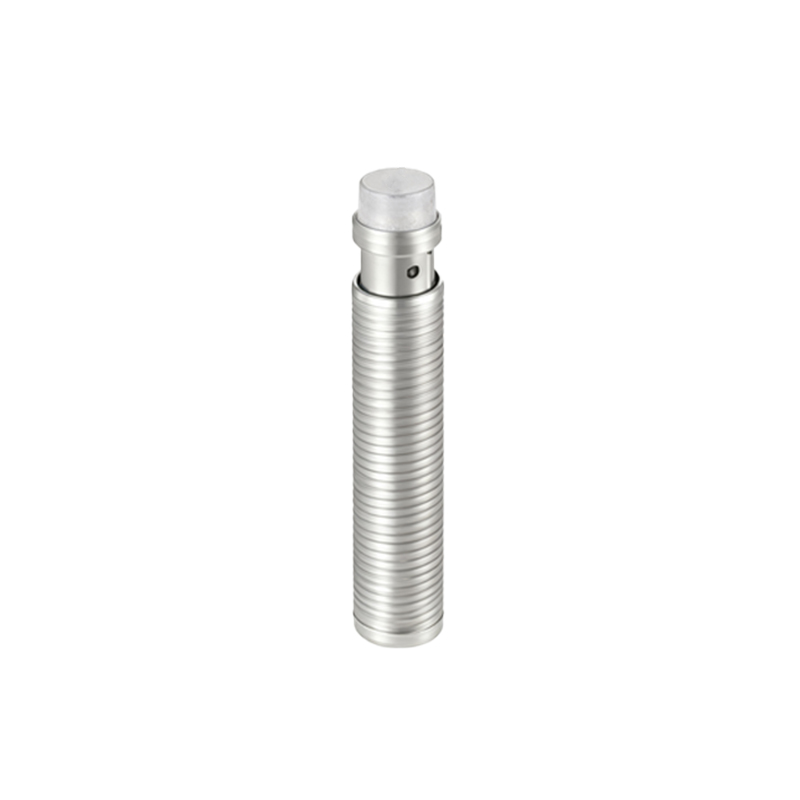
Proximity sensors have become integral components in modern electronics, enabling devices to detect the presence or absence of objects without physical contact. Among various types, proximity sensors with shielding technology—often referred to as "shielding-type" or "occlusion-style" sensors—stand out for their enhanced accuracy and reliability in challenging environments. This article explores the principles, applications, and benefits of these advanced sensors, shedding light on why they are increasingly favored in industries ranging from automotive to consumer electronics.
At its core, a proximity sensor operates by emitting an electromagnetic field or a beam of radiation (such as infrared light) and detecting changes in the field or return signal when an object enters its range. However, standard sensors can suffer from interference due to external factors like ambient light, dust, or other nearby objects. Shielding technology addresses this by incorporating a physical barrier or specialized design that blocks unwanted external influences. This shielding typically involves a metal or composite casing that directs the sensor's emissions in a focused manner, preventing stray signals from affecting detection. For instance, in an occlusion-style sensor, the shield may surround the emitter and receiver, creating a controlled zone that minimizes false triggers and improves signal-to-noise ratio.
The working principle of shielding-type proximity sensors hinges on their ability to isolate the sensing area. By confining the detection field to a specific region, these sensors can accurately discern objects even in cluttered or dynamic settings. Common technologies used include inductive, capacitive, and optical methods, each adapted with shielding for specific use cases. Inductive sensors, for example, rely on electromagnetic fields to detect metallic objects and are often shielded to avoid interference from adjacent machinery. Capacitive sensors, which sense changes in capacitance caused by non-metallic objects, benefit from shielding to reduce environmental humidity effects. Optical sensors, using infrared or laser beams, employ shields to block ambient light, ensuring precise object detection in bright conditions.
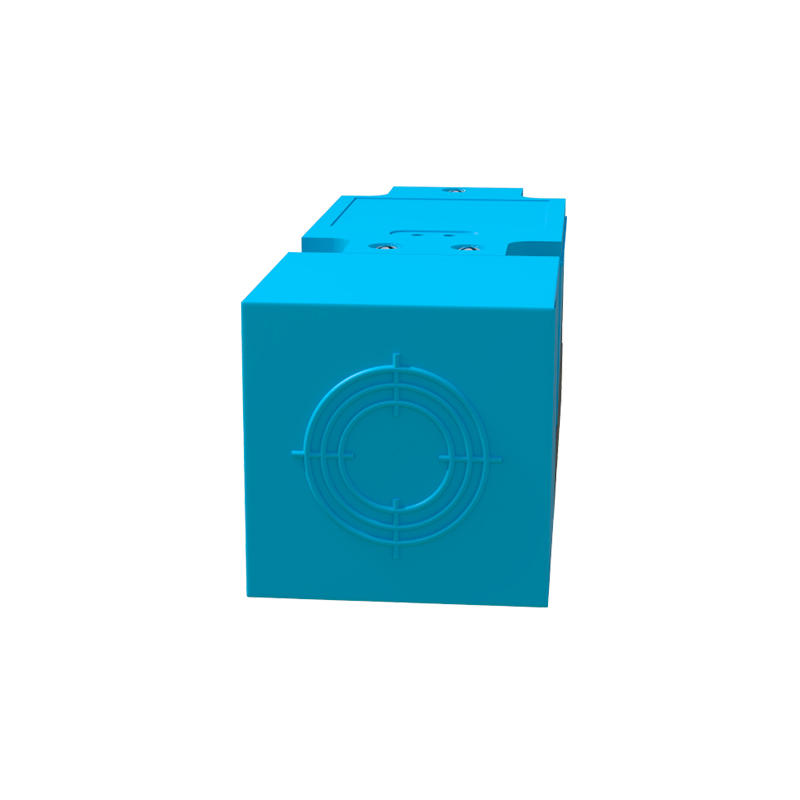
Applications of shielded proximity sensors are vast and growing. In the automotive industry, they are crucial for parking assistance systems, where they help vehicles detect obstacles with high precision, even in rain or fog. Consumer electronics, such as smartphones and tablets, utilize these sensors to disable touchscreens when the device is held near the ear during calls, preventing accidental inputs. The shielding ensures reliable performance despite varying lighting or handling conditions. Industrial automation also relies heavily on these sensors for tasks like object counting, position sensing, and safety interlocks on machinery, where interference from metal parts or electrical noise could compromise operations. Additionally, in healthcare devices, shielded sensors enable non-contact monitoring, such as in infusion pumps or diagnostic equipment, where hygiene and accuracy are paramount.
The benefits of using proximity sensors with shielding technology are multifaceted. Firstly, they offer improved accuracy and stability by reducing false readings caused by environmental factors. This leads to higher efficiency and fewer errors in automated processes. Secondly, their durability is enhanced, as the shielding often provides physical protection against dust, moisture, and mechanical damage, extending the sensor's lifespan in harsh conditions. Thirdly, these sensors contribute to energy savings by optimizing detection ranges, preventing unnecessary activation of devices. For example, in smart home systems, shielded sensors can accurately detect human presence without being triggered by pets or moving curtains, thereby conserving power. Moreover, their compact design allows for easy integration into space-constrained applications, from wearable gadgets to robotics.
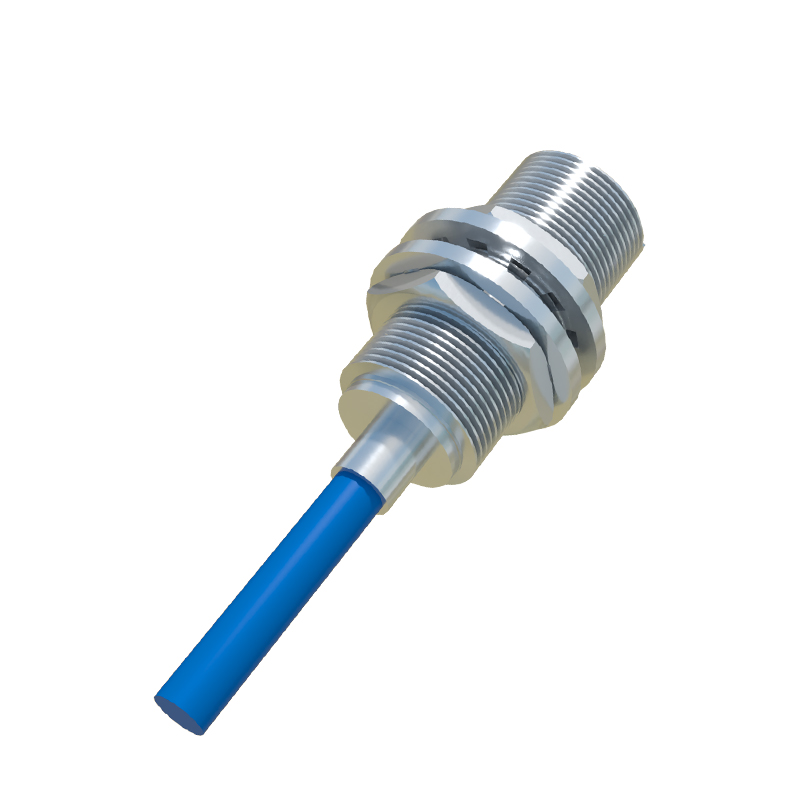
Despite their advantages, selecting the right shielding-type proximity sensor requires consideration of factors like detection range, material compatibility, and environmental conditions. Users should assess the specific interference sources in their application—whether it's electromagnetic noise, light pollution, or physical obstructions—to choose a sensor with appropriate shielding. Regular maintenance, such as cleaning the shield surface, can also ensure long-term performance. As technology advances, innovations in materials and miniaturization are making these sensors more affordable and versatile, paving the way for broader adoption in emerging fields like the Internet of Things (IoT) and autonomous systems.
In summary, proximity sensors with shielding technology represent a significant evolution in sensing capabilities, offering robust solutions for accurate object detection in diverse settings. By understanding their principles and applications, engineers and designers can leverage these tools to enhance product functionality and reliability. As industries continue to demand smarter, more responsive devices, the role of shielded proximity sensors is set to expand, driving innovation across sectors.