In the realm of industrial automation and machinery, the reliability of a system often hinges on the smallest components. Among these, proximity switch sensor nuts play a critical, though frequently overlooked, role. These specialized fasteners are designed to secure inductive, capacitive, or magnetic proximity sensors in place, ensuring precise and consistent operation in demanding environments. Unlike standard nuts, sensor nuts are engineered with specific characteristics to meet the unique challenges of sensor mounting.
The primary function of a proximity switch sensor nut is to provide a secure, vibration-resistant connection between the sensor and its mounting bracket or housing. Proximity sensors detect the presence or absence of an object without physical contact, making them indispensable for tasks like position sensing, counting, and speed monitoring on production lines. If the sensor is not held firmly in place, even minor shifts can lead to inaccurate readings, false triggers, or complete system failure. Sensor nuts are typically manufactured from durable materials such as stainless steel, brass, or plated steel, offering resistance to corrosion, chemicals, and temperature fluctuations common in industrial settings.
A key design feature of these nuts is their consistent and precise threading. The threads must match the sensor's housing perfectly to avoid cross-threading, which can damage the sensor's casing and compromise its integrity. Many sensor nuts also incorporate a locking mechanism. This can be a nylon insert (nyloc nut), a prevailing torque design, or a serrated flange base. These features prevent the nut from loosening due to constant machine vibration, a prevalent issue in factories. The flange or washer base on some designs distributes clamping force more evenly, protecting the sensor housing from deformation and providing a better seal against dust and moisture ingress.
Selecting the correct sensor nut is not a trivial task. Engineers and maintenance personnel must consider several factors. The thread size and pitch must be an exact match for the sensor, typically metric (e.g., M8, M12, M18, M30) or less commonly, imperial. The material must be compatible with the operating environment; stainless steel is preferred for washdown or corrosive areas. The required tightening torque is another crucial consideration. Over-tightening can crack a sensor's plastic housing or distort its metal body, while under-tightening leads to instability. Manufacturers usually provide specific torque specifications.
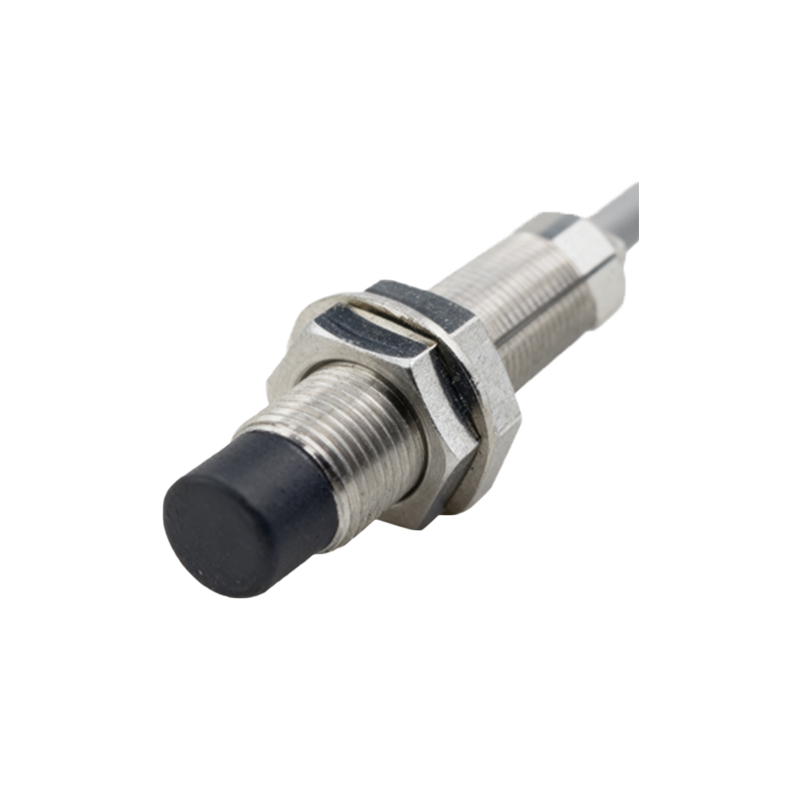
The installation process, while straightforward, demands attention. It is recommended to hand-tighten the nut initially to ensure proper thread alignment before using a calibrated torque wrench for the final tightening. A common best practice is to use a flat washer under the nut if one is not integrated, especially when mounting on thin sheet metal, to prevent damage. Regular maintenance checks should include verifying that sensor nuts remain tight, as part of a preventative maintenance schedule.
In summary, proximity switch sensor nuts are far more than simple fasteners. They are precision components that guarantee the operational stability and accuracy of non-contact sensing systems. Their proper selection, installation, and maintenance are fundamental to minimizing downtime, ensuring product quality, and safeguarding the substantial investment made in automated machinery. Ignoring this small component can lead to disproportionately large problems, making it a vital element in the seamless flow of modern industrial operations.