In the intricate world of industrial automation and machinery control, precise detection of rotational position and speed is paramount. Gear proximity sensors, a specialized subset of inductive proximity sensors, stand as critical components for achieving this reliability. Unlike standard sensors, they are uniquely engineered to detect the teeth or gaps of a rotating gear, translating mechanical motion into accurate, real-time electrical signals. Their operation is fundamental to monitoring, controlling, and safeguarding a vast array of mechanical systems.
The core principle behind a standard inductive proximity sensor is electromagnetic induction. The sensor generates a high-frequency oscillating electromagnetic field from its active face. When a metallic target enters this field, eddy currents are induced on the target's surface. This causes a measurable change in the oscillation amplitude within the sensor's internal circuit, triggering a switching output. A gear proximity sensor leverages this same principle but is meticulously calibrated for the specific application. Its sensing distance, switching frequency, and hysteresis are optimized to reliably distinguish between the high point of a gear tooth and the low point of a gap, even at very high rotational speeds. The sensor is typically mounted with a precise air gap facing the edge of the gear, ensuring each passing tooth is detected without physical contact, thus eliminating wear.
Several key types of gear sensors are deployed based on application requirements. The most common is the standard inductive gear tooth sensor, prized for its robustness and ability to function in harsh, oily environments. For applications requiring extreme precision in position or very high resolution—such as crankshaft or camshaft positioning in automotive engines—Hall-effect gear sensors are often employed. These sensors detect changes in magnetic field rather than eddy currents and can operate at even higher speeds with precise edge detection. Furthermore, some advanced variants incorporate integrated electronics to provide amplified analog outputs or digital signals like PWM (Pulse Width Modulation), offering direct input for sophisticated control systems.
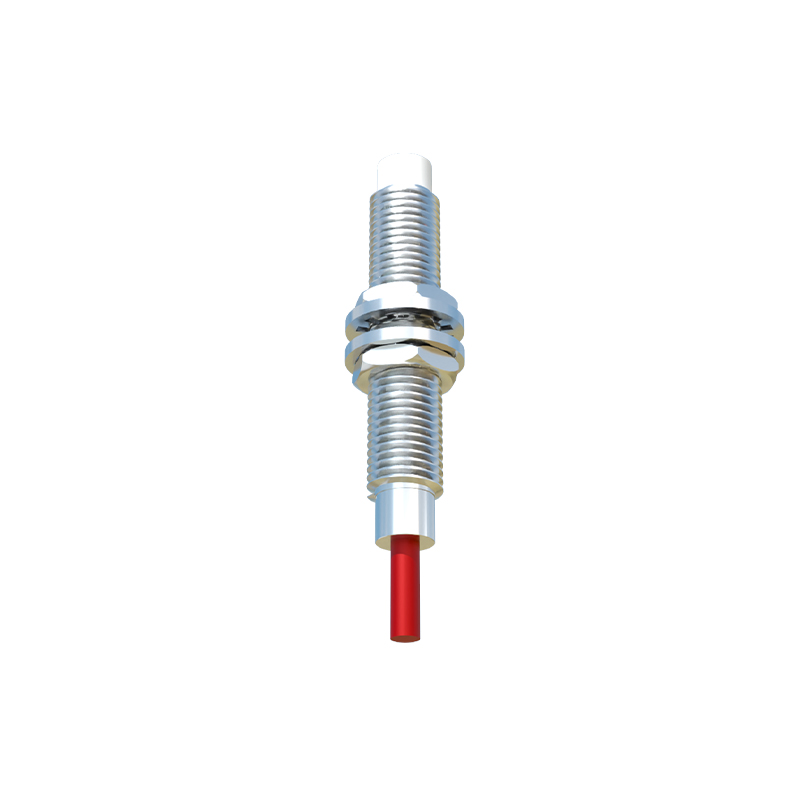
The industrial applications of gear proximity sensors are extensive and vital. In automotive manufacturing and engine test stands, they are indispensable for measuring the rotational speed (RPM) and determining the exact angular position of crankshafts and camshafts. This data is crucial for engine timing, fuel injection control, and ignition systems. Within heavy machinery, such as turbines, presses, and conveyor drives, these sensors provide essential feedback for speed synchronization, overspeed protection, and under-speed detection, preventing catastrophic damage. They are also fundamental in robotics for precise control of joint movement and in packaging machinery to ensure accurate product indexing and cut-to-length processes.
Selecting the right gear proximity sensor requires careful consideration of several parameters. The gear specifications—including tooth module, number of teeth, and material—directly influence the choice. The required sensing distance, operational speed range (often specified as a maximum switching frequency in Hertz), and environmental conditions (temperature, presence of coolants or metal chips) are critical. Output type is another key decision; common options include NPN/PNP transistor outputs for simple on/off control or analog outputs for proportional speed indication. Proper installation is equally important; maintaining the specified gap between the sensor face and the gear, ensuring secure mounting to resist vibration, and correct alignment are all essential for optimal performance and longevity.
In summary, gear proximity sensors are sophisticated, non-contact devices that form the backbone of rotational sensing in modern industry. By providing reliable, high-speed detection of gear teeth, they enable precise control, monitoring, and safety functions across countless machines and processes. Their design evolution continues to meet demands for higher speeds, greater precision, and resilience in challenging environments, solidifying their role as an unsung hero in the automated world.