In the world of industrial automation and precision measurement, pen-style proximity sensors have carved out a vital niche. Their slender, ergonomic design allows for easy integration into tight spaces and complex machinery, offering non-contact detection of metallic and sometimes non-metallic objects. Unlike bulkier sensor types, their pen-like form factor provides exceptional flexibility for applications ranging from assembly line positioning and robotic guidance to part counting and safety interlocks. The market is populated by numerous brands, each promising accuracy and durability. However, a select few have consistently risen to the top, earning the trust of engineers and maintenance professionals worldwide through superior performance, innovative technology, and robust support.
When discussing industry leaders, Sick AG invariably takes a prominent position. The German sensor giant is renowned for its engineering excellence and rigorous quality control. Sick's pen-style inductive proximity sensors are benchmarks for reliability in harsh environments. They often feature robust stainless steel housings, high switching frequencies, and exceptional resistance to electrical interference. Models are available with various sensing ranges, output types (like PNP, NPN, or analog), and connection methods, including the popular M8 and M12 quick-disconnect connectors. For applications demanding extreme precision and resilience against coolant, oil, or metal shavings, Sick's offerings are frequently the first choice.
Another European powerhouse, Pepperl+Fuchs, stands as a pillar of innovation in sensor technology. Their comprehensive portfolio of cylindrical (pen-style) proximity sensors is designed to meet virtually any industrial requirement. Pepperl+Fuchs excels in providing specialized solutions, such as sensors with extended temperature ranges, those certified for use in hazardous areas (ATEX/IECEx), and models with advanced diagnostics via IO-Link communication. This brand is particularly noted for its focus on application-specific challenges, offering sensors with factor-1 capability (able to detect all metals at the same range) and exceptional shielding to prevent mutual interference when mounted side-by-side.
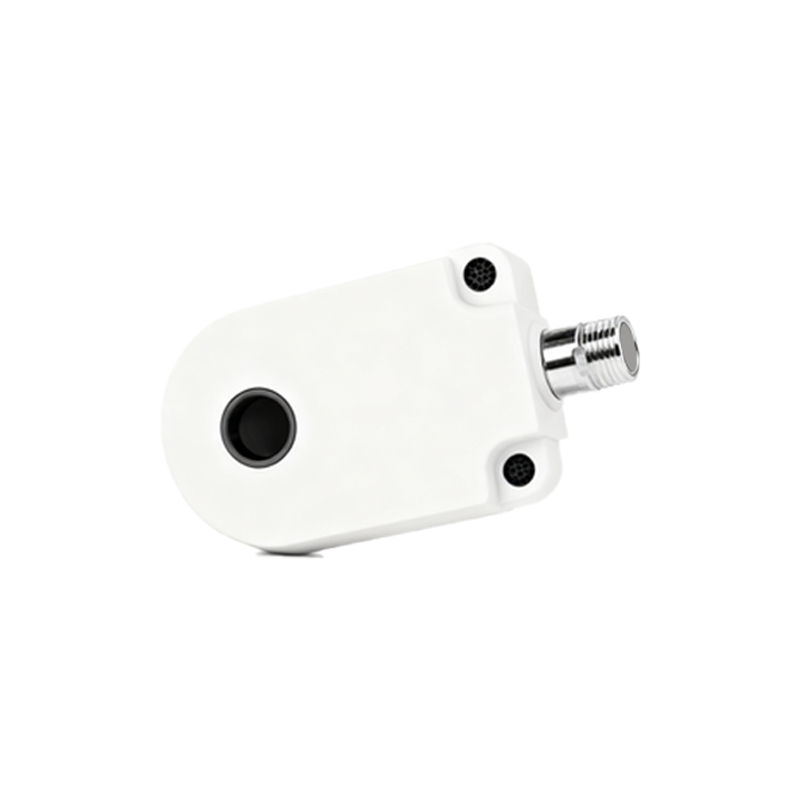
From Japan, Omron Corporation brings a legacy of precision and miniaturization to the table. Omron's pen-style sensors are celebrated for their consistent performance and compact designs, often pushing the limits of how small a reliable sensor can be. They offer an extensive array of options, including standard inductive, all-metal inductive, and even capacitive models for detecting non-metallic materials. Omron emphasizes ease of use, with clear LED status indicators and user-friendly mounting brackets. Their global distribution network and strong technical support make them a go-to brand for OEMs and end-users across diverse sectors, from automotive manufacturing to packaging.
Balluff GmbH, a German specialist in sensor and automation solutions, is highly regarded for its high-quality pen-style sensors. Balluff products are synonymous with durability and precision. They offer a wide selection of inductive proximity sensors in various housing materials like nickel-plated brass or stainless steel, with sensing distances tailored to specific needs. A key strength of Balluff is its system integration capability, providing not just the sensor but also the necessary cabling, connectors, and network interfaces (like PROFINET or EtherNet/IP through their connectivity blocks), creating a seamless solution for modern smart factories.
For those seeking a balance of performance and cost-effectiveness without significant compromise on quality, Autonics from South Korea presents a compelling option. Autonics has built a strong reputation by offering a broad range of reliable sensors at competitive price points. Their pen-type proximity sensors cover standard inductive, high-temperature, and weld-field immune models. They provide good sensitivity, stable operation, and are widely available, making them a popular choice for general-purpose automation, CNC machinery, and retrofit projects where budget is a consideration but reliability cannot be sacrificed.
Selecting the right brand depends on a careful evaluation of the application's specific demands. Critical factors include the target material (steel, aluminum, copper), required sensing distance, environmental conditions (presence of dust, moisture, chemicals, or extreme temperatures), electrical requirements (voltage, output type), and necessary certifications. While the brands mentioned above represent the upper echelon, the final choice should always be validated through datasheet review, application testing, and consultation with technical specialists. Investing in a sensor from a reputable brand like Sick, Pepperl+Fuchs, Omron, Balluff, or Autonics is an investment in reduced downtime, improved process consistency, and long-term operational efficiency. Their continuous R&D efforts ensure that these pen-style sensors evolve, incorporating smarter features and enhanced connectivity to meet the future demands of Industry 4.0 and intelligent manufacturing.