In today's rapidly advancing technological landscape, proximity sensors have become indispensable components across a vast array of industries. From ensuring safety on automated factory floors to enabling intuitive user interfaces in consumer electronics, the right sensor choice is critical for system performance and reliability. This guide provides expert recommendations to help engineers, designers, and procurement specialists navigate the selection process.
The first and most crucial step is defining the application's core requirements. What is the target material? Inductive sensors are ideal for detecting metals, while capacitive sensors can handle non-metallic substances like wood, plastic, or liquids. For precise position detection of any material, photoelectric sensors offer a versatile solution. Next, consider the required sensing range. Short-range applications, such as detecting a smartphone near the user's ear, demand highly compact sensors with ranges of a few millimeters. For industrial automation, like detecting the presence of a pallet, ranges from a few millimeters to several tens of millimeters are common. Ultrasonic sensors excel at longer ranges, capable of detecting objects several meters away.
Environmental factors heavily influence sensor selection. Harsh industrial environments with dust, coolant, or vibration necessitate sensors with high Ingress Protection (IP) ratings, such as IP67 or IP69K. For washdown areas in food and beverage processing, stainless steel housings are recommended. In environments with significant electrical noise or strong magnetic fields, choosing a sensor with robust electromagnetic compatibility (EMC) is non-negotiable to prevent false triggers. Temperature extremes also dictate material and electronic component choices.
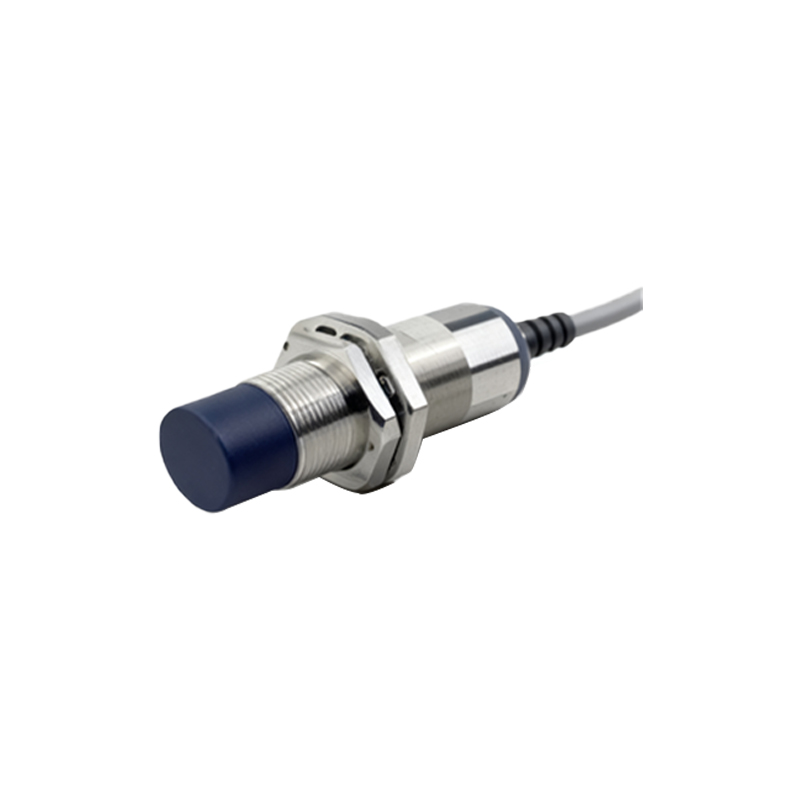
Output configuration is another key decision point. The two primary types are discrete (digital) and analog outputs. Discrete outputs, like NPN (sinking) or PNP (sourcing) transistors, provide a simple on/off signal and are the most common. They are perfect for presence detection. Analog outputs, such as 4-20 mA or 0-10 V, provide a continuous signal proportional to the distance to the target. This is essential for applications requiring precise positioning or continuous monitoring, like monitoring roll diameter in a paper mill.
For specific use cases, here are targeted recommendations. In high-speed packaging and assembly lines, where response time is critical, look for fast-responding diffuse-reflective or through-beam photoelectric sensors. For detecting small metallic parts in tight spaces, tubular inductive sensors with embedded flush-mount capabilities prevent physical damage. In automotive assembly for body-in-white applications, long-range inductive sensors are often the standard for detecting vehicle frames through paint and minor misalignments. For liquid level detection in transparent or opaque containers, capacitive sensors can be tuned to ignore the container wall and sense the liquid directly.
Beyond the initial purchase, consider long-term reliability and support. Opt for sensors from manufacturers with a proven track record of quality and durability. Evaluate the ease of installation, adjustment, and maintenance. Features like built-in LED indicators for status and teach-in functions for easy setup can significantly reduce downtime. Finally, ensure the sensor is part of a readily available product family to simplify future replacements or system expansions.
By systematically evaluating the target material, required range, operating environment, and needed output signal, you can select a proximity sensor that delivers optimal performance, enhances system safety, and ensures long-term operational reliability. Investing time in the selection process upfront prevents costly failures and downtime later.