In the seamless interaction between humans and technology, there exists an invisible facilitator—the proximity sensor. This unassuming component, often no larger than a grain of rice, is a cornerstone of modern device functionality, enabling features we now take for granted without a second thought. From preventing accidental screen touches during a call to enabling gesture controls, proximity sensors work silently in the background, bridging the physical and digital worlds.
At its core, a proximity sensor is a device that detects the presence or absence of nearby objects without any physical contact. It does this by emitting an electromagnetic field or a beam of radiation, such as infrared light, and then looking for changes in the field or the return signal. The primary output is a simple binary signal: an object is either "near" or "far." This fundamental action is deceptively simple, yet its applications are vast and sophisticated.
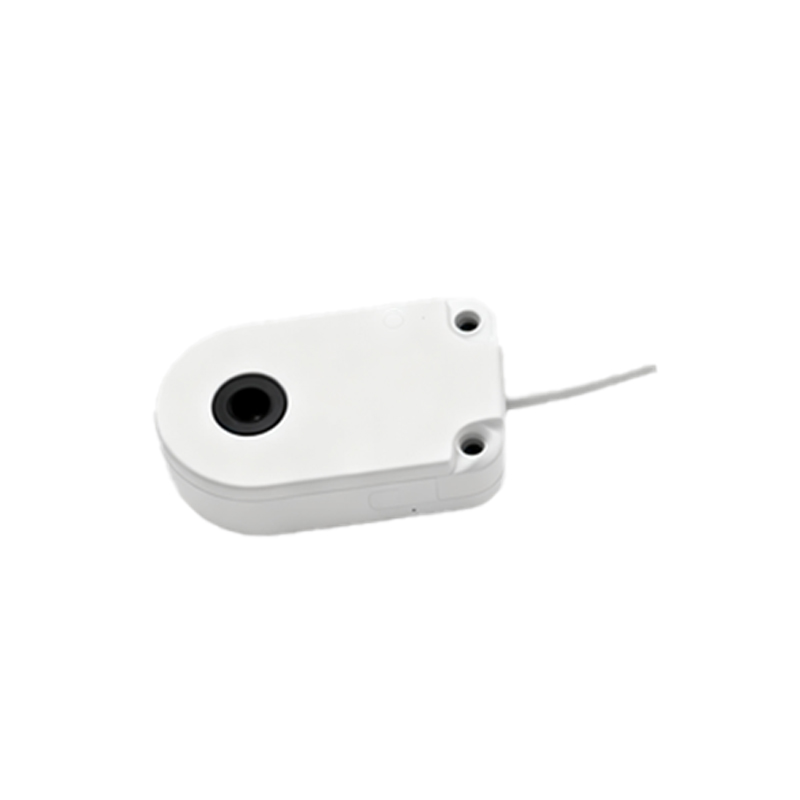
The most common type found in consumer electronics is the infrared (IR) proximity sensor. A typical configuration involves an IR LED that emits a beam of light and a photodiode that measures the intensity of the light reflected back from an object. When you hold your phone to your ear, the sensor detects the closeness of your head and signals the processor to turn off the display, saving power and preventing unintended cheek-dials. This is a prime example of how proximity sensing enhances both user experience and device efficiency.
Beyond this everyday use, the technology's variants cater to different needs. Inductive proximity sensors, for instance, detect metallic objects by generating an electromagnetic field. They are workhorses in industrial automation, counting metal parts on a conveyor belt or ensuring robotic arms maintain a safe distance. Capacitive sensors can detect both metallic and non-metallic objects, including human skin and liquids, by measuring changes in capacitance. This makes them ideal for touch-sensitive faucets, elevator buttons, and liquid level detection systems.
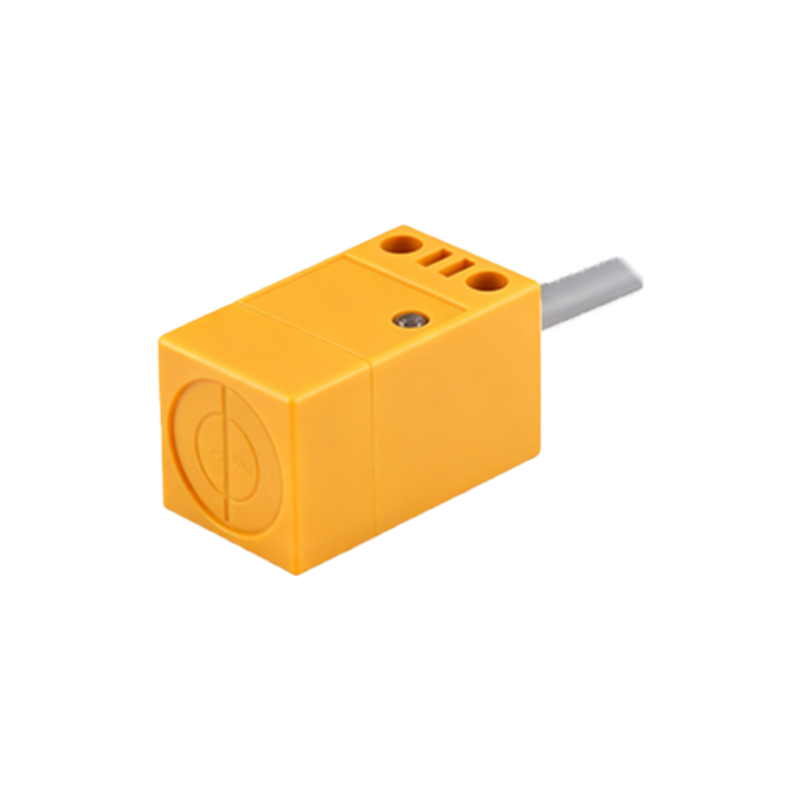
Ultrasonic sensors represent another major category, using sound waves beyond human hearing to measure distance. By calculating the time it takes for an emitted sound pulse to bounce back, they can gauge proximity with high accuracy. This technology is crucial in automotive parking assistance systems, where it provides the audible beeps that warn drivers of obstacles. Similarly, in robotics, ultrasonic sensors help machines navigate and avoid collisions in dynamic environments.
The evolution of proximity sensing is closely tied to the rise of the Internet of Things (IoT) and smart environments. In smart homes, sensors can detect a person's approach to automatically turn on lights, adjust thermostats, or play music, creating an intuitive and energy-efficient living space. In retail, they can trigger digital signage or promotional content as customers walk by, enabling interactive advertising.
Furthermore, the integration of advanced proximity sensors is pushing the boundaries of human-computer interaction. Modern smartphones and tablets use arrays of sensors, including time-of-flight (ToF) variants, to enable features like automatic screen rotation with greater precision and to support augmented reality applications by accurately mapping the physical space around the device.
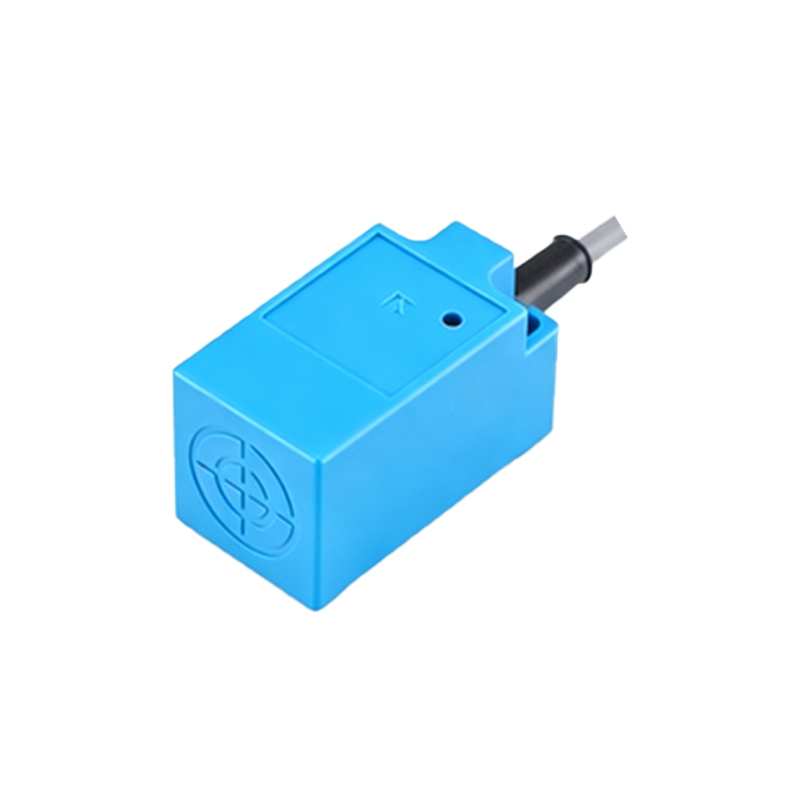
Despite their silent operation, the design and implementation of these sensors present significant engineering challenges. Factors such as ambient light interference for optical sensors, the material composition of the target object, and environmental conditions like dust or humidity can all affect performance. Engineers must carefully calibrate sensors, often employing algorithms to filter out noise and ensure reliable detection. The goal is always to achieve the right balance of range, accuracy, response time, and power consumption for the specific application.
Looking ahead, the future of proximity sensing is one of increased miniaturization, intelligence, and integration. We are moving towards sensor fusion, where data from proximity sensors is combined with inputs from cameras, accelerometers, and gyroscopes to create a richer, more contextual understanding of the environment. This will enable even more natural and predictive interactions with technology. For example, a device might not only sense that a hand is near but also recognize a specific gesture, opening up new avenues for control and accessibility.
In essence, proximity sensors are a foundational technology of the connected age. They provide the basic sense of "touch" for machines, allowing them to perceive and react to the immediate physical world. As devices continue to become smarter and more integrated into our daily lives, these small, powerful components will remain indispensable, working invisibly to make our interactions with technology smoother, safer, and more intuitive. Their continued development is key to unlocking more seamless and responsive automated systems across industries, from manufacturing and automotive to healthcare and consumer electronics.