In the world of industrial automation and machinery, precision and reliability are non-negotiable. Among the myriad components that ensure seamless operation, proximity switch sensor gaskets play a surprisingly critical, yet often overlooked, role. These unassuming seals are far more than simple pieces of material; they are vital for protecting sensitive sensing technology, ensuring accurate detection, and extending the operational lifespan of entire systems.
A proximity switch sensor gasket is a custom-cut seal, typically made from materials like silicone, nitrile rubber (NBR), fluorosilicone, or polyurethane. Its primary function is to create an environmental barrier between the sensing face of a proximity sensor—be it inductive, capacitive, or photoelectric—and its often harsh installation environment. By being mounted between the sensor's housing and the machine frame or mounting bracket, the gasket performs several key duties simultaneously.
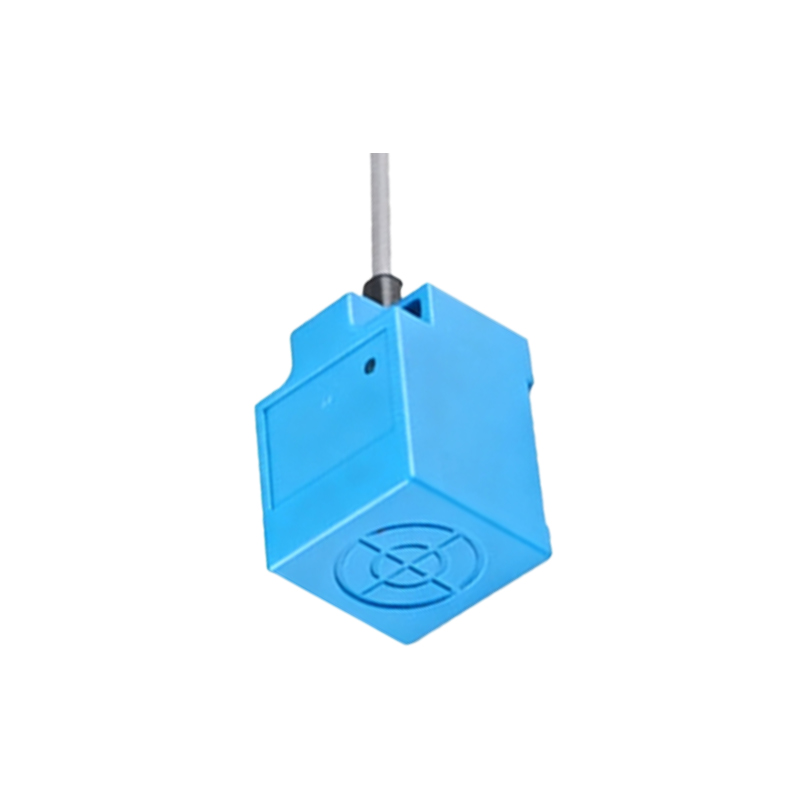
First and foremost, it acts as a robust seal against contaminants. In industrial settings, sensors are bombarded by cutting fluids, coolants, grease, metal shavings, dust, and moisture. Without an effective gasket, these contaminants can infiltrate the sensor housing. For inductive sensors, metallic particles adhering to the sensing face can cause false triggering or a complete failure to detect targets. For capacitive sensors, fluid ingress can drastically alter the dielectric constant the sensor measures, leading to erratic behavior. A high-quality gasket prevents this ingress, maintaining the sensor's calibration and integrity.
Secondly, the gasket provides crucial vibration damping and shock absorption. Machinery in motion generates significant vibration, which can loosen mounting hardware and, over time, damage the internal electronics of a sensor. A gasket with the correct durometer (hardness) and compression set properties absorbs these mechanical shocks, securing the sensor in place and protecting its delicate components. This damping effect is essential for maintaining the precise air gap required for accurate sensing, especially in high-speed applications.
Material selection for these gaskets is a science in itself. Silicone is a popular choice for its excellent temperature resistance, flexibility, and compatibility with a wide range of environments. Nitrile rubber offers superior resistance to oils and hydrocarbons. For applications involving extreme temperatures or aggressive chemicals, fluorosilicone or PTFE-coated materials may be specified. The thickness and design of the gasket are equally important; it must be thick enough to compensate for surface irregularities on the mounting surface but compressible enough to form a tight seal without over-stressing the sensor housing.
The consequences of neglecting or using an incorrect gasket are significant. Premature sensor failure leads to unplanned downtime, costly replacements, and potential disruptions to production lines. Inconsistent sensing can cause machine faults, jams, or even compromise safety systems. Therefore, specifying the right gasket is as important as selecting the sensor itself. It is not a generic commodity but a precision component.
When integrating a proximity sensor, engineers must consider the gasket from the outset. The mounting hole design should account for the gasket's compressed thickness. Surfaces should be clean and free of burrs to ensure an even seal. Proper torque should be applied to the mounting nut or bracket to achieve the correct compression without crushing the gasket, which could lead to seal failure.
In summary, proximity switch sensor gaskets are indispensable guardians of sensing reliability. They operate silently in the background, shielding critical electronic components from the rigors of the industrial world. Their role in preventing contamination, dampening vibration, and ensuring stable mounting directly translates to enhanced machine uptime, consistent product quality, and reduced maintenance costs. Specifying and installing the correct gasket is a simple, cost-effective step that pays substantial dividends in the long-term performance and durability of any automated system. Never underestimate the power of a well-engineered seal.