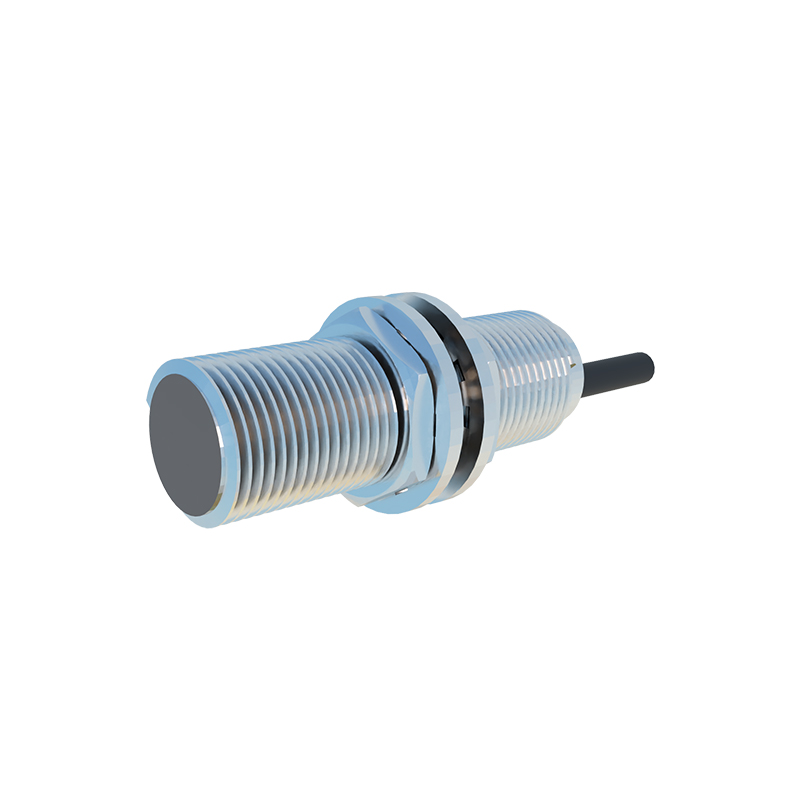
In today's rapidly evolving industrial and technological landscape, the demand for reliable safety and precision in automated systems has never been higher. Collision proximity sensors stand at the forefront of this evolution, serving as critical components that prevent accidents, optimize operations, and reduce downtime across various sectors. These devices detect the presence or absence of objects within a specified range without physical contact, using technologies such as inductive, capacitive, ultrasonic, or optical methods. Their application spans from manufacturing assembly lines and robotic arms to autonomous vehicles and smart infrastructure, making them indispensable in modern engineering.
The core principle behind collision proximity sensors lies in their ability to emit a field or signal and monitor changes caused by approaching objects. Inductive sensors, for instance, generate an electromagnetic field to detect metallic targets, ideal for harsh industrial environments where dust, oil, or moisture may interfere with other systems. Capacitive sensors, on the other hand, can sense both metallic and non-metallic materials by measuring changes in capacitance, making them suitable for liquid level detection or plastic handling. Ultrasonic sensors use sound waves to gauge distance, excelling in applications requiring precise measurement over longer ranges, while optical sensors rely on light beams for high-speed detection in clean environments. Each type offers distinct advantages, allowing engineers to select the optimal solution based on factors like target material, environmental conditions, and required sensing distance.
One of the most significant benefits of collision proximity sensors is their role in enhancing workplace safety. In factories, these sensors are integrated into machinery to halt operations if a worker or object enters a hazardous zone, preventing injuries and equipment damage. For example, in robotic welding cells, proximity sensors ensure that robots stop immediately when a human approaches, aligning with global safety standards such as ISO 13849. Similarly, in automotive manufacturing, they guide autonomous guided vehicles (AGVs) to avoid collisions with obstacles, streamlining logistics while protecting assets. Beyond industrial settings, collision proximity sensors are vital in consumer electronics, such as smartphones with screen-off features during calls, and in healthcare devices that require non-contact operation for hygiene purposes.
Efficiency gains are another compelling reason for the widespread adoption of these sensors. By enabling precise object detection, they facilitate smoother automation processes, reduce material waste, and increase throughput. In packaging lines, proximity sensors verify the presence of items on conveyor belts, triggering subsequent actions like labeling or sealing only when needed. This minimizes errors and energy consumption. In agriculture, sensors on autonomous tractors help navigate fields without damaging crops, promoting sustainable practices. Moreover, the integration of collision proximity sensors with Internet of Things (IoT) platforms allows for real-time data collection and predictive maintenance. Operators can monitor sensor performance remotely, anticipate failures, and schedule repairs before breakdowns occur, thus maximizing uptime and reducing operational costs.
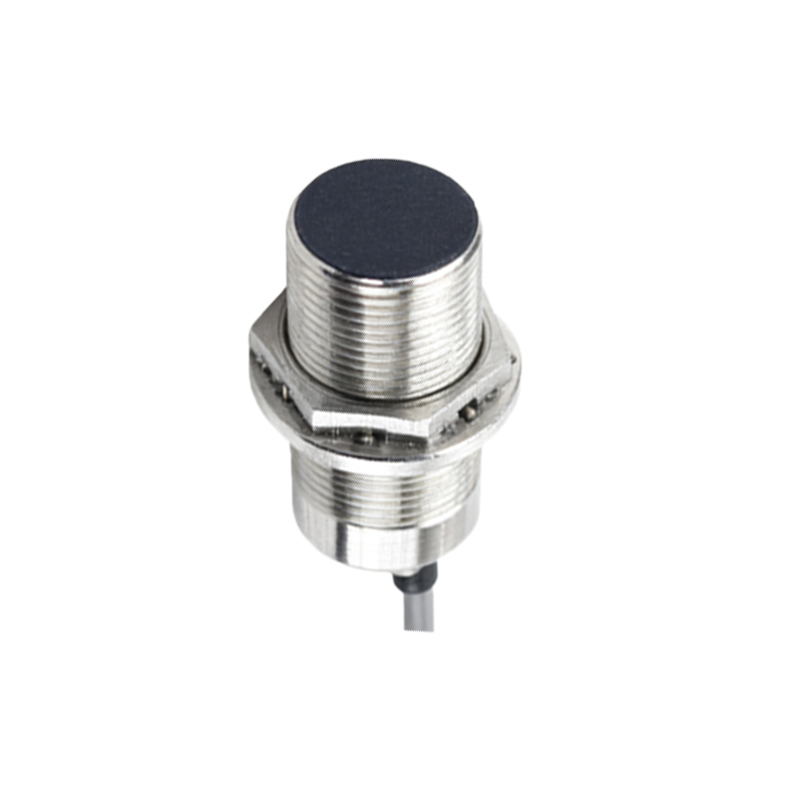
Despite their advantages, implementing collision proximity sensors requires careful consideration. Factors such as sensor range, response time, and environmental interference must be evaluated to ensure reliability. For instance, in high-vibration settings, robust housing and shock-resistant designs are necessary to maintain accuracy. Additionally, regular calibration and cleaning are essential to prevent false triggers or missed detections, especially in dusty or wet conditions. Advances in sensor technology continue to address these challenges, with newer models offering enhanced durability, wireless connectivity, and AI-driven adaptability for dynamic environments.
Looking ahead, the future of collision proximity sensors is intertwined with trends like Industry 4.0 and autonomous systems. As machines become more collaborative and intelligent, sensors will evolve to provide higher resolution, faster processing, and seamless integration with other smart devices. Researchers are exploring miniaturized sensors for micro-robotics and biodegradable options for eco-friendly applications. Ultimately, collision proximity sensors are not just tools for avoidance; they are enablers of innovation, driving progress toward safer, more efficient, and interconnected automated worlds. By understanding their capabilities and applications, industries can harness their full potential to transform operations and achieve sustainable growth.