In the automated world of modern industry, electronic proximity sensors are the silent, unseen guardians of efficiency and safety. These devices detect the presence or absence of an object without any physical contact, relying instead on changes in an electromagnetic field, light beam, or ultrasonic signal. Their ability to perform in harsh environments, provide high-speed response, and offer exceptional reliability has made them indispensable across manufacturing, automotive, packaging, and countless other sectors. Unlike mechanical limit switches, they have no moving parts to wear out, leading to dramatically longer service life and reduced maintenance costs.
The core principle behind their operation is elegantly simple. A proximity sensor generates a sensing field. When a target object enters this field, it causes a detectable change in the field's state—such as eddy currents in a metal object damping an oscillator's amplitude, or an object reflecting light back to its source. This change is converted by the sensor's internal electronics into a clean, digital output signal that can be used to trigger an action in a control system, like stopping a conveyor, counting parts, or confirming a robotic arm's position.
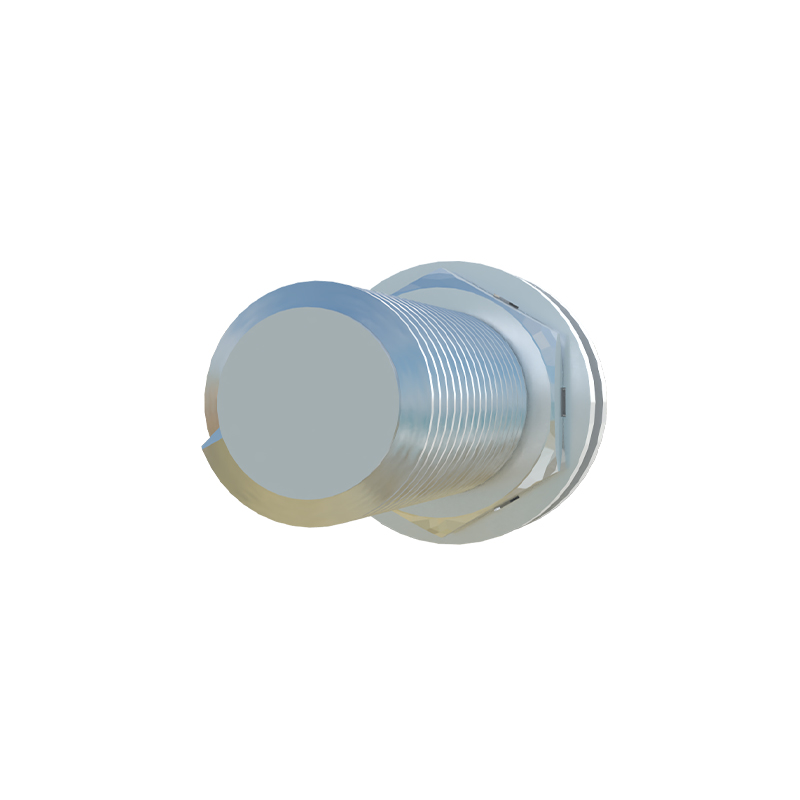
There are several primary types of electronic proximity sensors, each with distinct advantages and ideal use cases. Inductive proximity sensors are the most common for metal detection. They generate an electromagnetic radio frequency field and react only to conductive metals, making them immune to dust, oil, and non-metallic debris. They are perfect for detecting pistons, gears, or metal parts on an assembly line. Capacitive proximity sensors, on the other hand, can detect both metallic and non-metallic materials, including liquids, plastics, wood, and granules. They work by sensing changes in capacitance and are often used for level detection in tanks or for sensing filled packages on a conveyor.
For longer-range detection and applications requiring precise positioning, photoelectric sensors are the tool of choice. These use a beam of light (visible red, infrared, or laser) and can be configured in through-beam, retro-reflective, or diffuse (proximity) modes. They excel at detecting small objects, seeing through transparent materials, and operating over distances of several meters. Finally, ultrasonic sensors use sound waves beyond human hearing to detect objects and measure distance. They are highly effective for detecting objects of any material, shape, or color, and are commonly used for liquid level control, loop control, and uneven object detection.
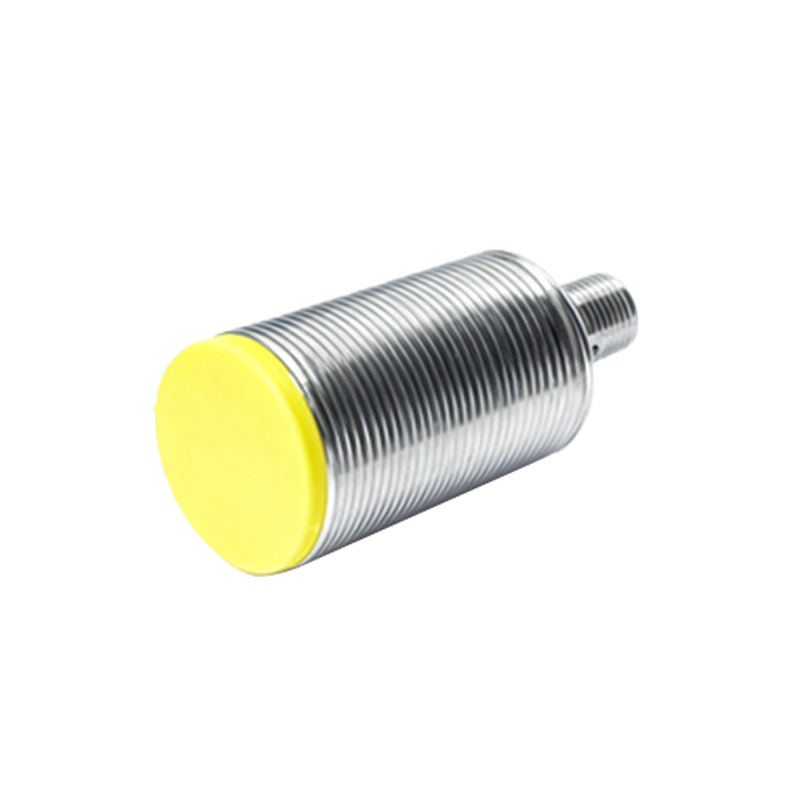
Selecting the right sensor requires careful consideration of several key factors. The material of the target object is paramount—metal detection calls for inductive, while universal detection leans toward capacitive or ultrasonic. The required sensing distance, or range, must be specified, noting that manufacturers rate this for a standard target size. Environmental conditions are critical; sensors may need specific housing ratings (like IP67 for washdown areas) to withstand moisture, chemicals, temperature extremes, or heavy vibration. The electrical output type (e.g., NPN or PNP transistor, NO or NC) must be compatible with the programmable logic controller (PLC) or other control device. Finally, physical characteristics like housing shape (barrel, rectangular, ring), size, and mounting method must fit the mechanical constraints of the application.
The applications are virtually limitless. In automotive manufacturing, inductive sensors verify the presence of engine blocks. In food and beverage, capacitive sensors monitor fill levels in bottles, while stainless-steel-housed photoelectric sensors ensure proper packaging. On automated storage and retrieval systems, ultrasonic sensors guide cranes. The benefits are clear: enhanced machine safety by ensuring guards are in place, improved product quality through precise positioning, increased production speed via high-speed counting, and overall cost reduction through predictive maintenance and fewer unplanned stoppages.
Looking ahead, the evolution of electronic proximity sensors continues. Modern sensors are becoming smarter, with integrated IO-Link communication that provides diagnostic data like operating temperature, signal strength, and contamination warnings, enabling Industry 4.0 predictive maintenance strategies. They are also getting smaller, more robust, and more energy-efficient. For any engineer, technician, or system integrator, a solid understanding of these versatile components is essential for designing efficient, reliable, and intelligent automated systems. By matching the sensor's technology to the specific demand of the task, operations achieve a new level of precision and resilience.