Distance proximity sensors are essential components in modern technology, silently enabling countless automated functions we often take for granted. Unlike simple contact switches, these sensors detect the presence, absence, or position of an object without any physical touch. They achieve this by emitting a field or beam of electromagnetic radiation, typically infrared light, sound waves, or radio waves, and then analyzing the signal that returns. The core principle is straightforward: the sensor sends out a signal, which reflects off a target object and bounces back. By measuring the time it takes for the signal to return or the change in the signal's properties, the sensor can accurately calculate the distance to the object.
The most common types of distance proximity sensors include ultrasonic, infrared (IR), and laser sensors, each with distinct advantages. Ultrasonic sensors use sound waves at frequencies above the human hearing range. They are highly effective in environments with dust, smoke, or fog, as sound waves are less affected by these conditions than light. They are commonly found in automotive parking assist systems, measuring the distance to obstacles with a series of audible beeps that increase in frequency as the vehicle gets closer. Industrial applications include liquid level sensing in tanks and object detection on conveyor belts.
Infrared sensors operate by emitting an infrared light beam. A photodetector within the sensor then looks for the reflected light. Simple IR sensors provide basic presence detection, while more advanced versions, like time-of-flight (ToF) sensors, measure the phase shift of the reflected light to calculate precise distances. IR sensors are ubiquitous in consumer electronics; they enable the automatic screen dimming on smartphones when held to the ear and power-saving features in automatic faucets and hand dryers. However, their performance can be influenced by ambient light and the color or reflectivity of the target object.
Laser distance sensors, often based on LiDAR (Light Detection and Ranging) technology, offer the highest precision and longest range. They work on the principle of measuring the time it takes for a laser pulse to travel to an object and back. This technology is critical for applications demanding extreme accuracy, such as in robotics for precise positioning, in construction for surveying and alignment, and as the primary "eye" for many autonomous vehicles, creating detailed 3D maps of the surrounding environment.
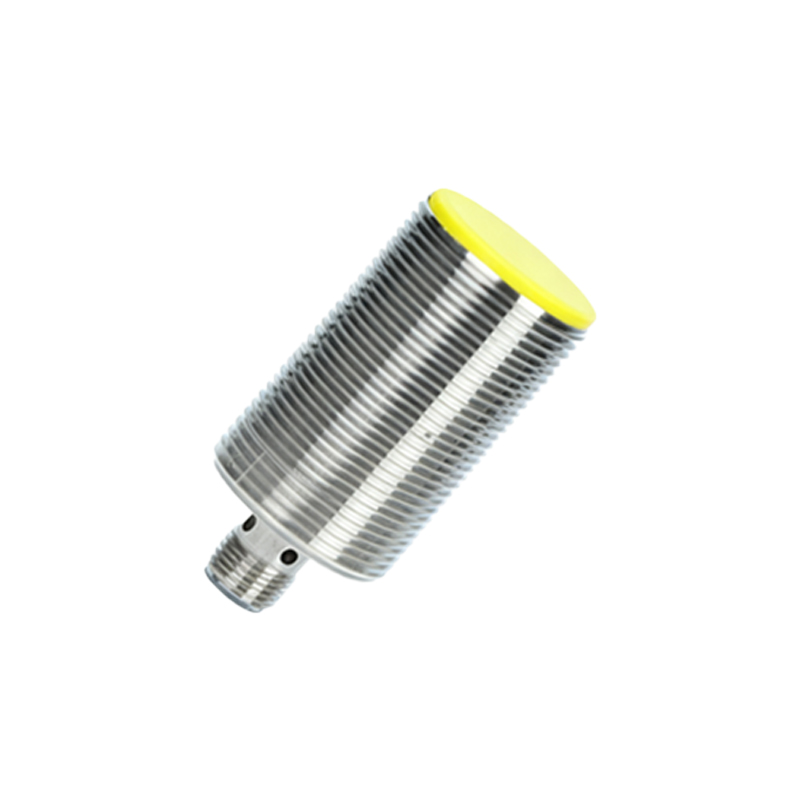
The selection of the appropriate sensor depends heavily on the specific application requirements. Key factors to consider include the required sensing range, the needed level of accuracy, the environmental conditions (like dust, moisture, or light interference), the nature of the target material, and cost constraints. For instance, a warehouse robot navigating a dynamic space might use a combination of ultrasonic sensors for close-range obstacle avoidance and a LiDAR unit for overall mapping and navigation.
Beyond the examples mentioned, distance proximity sensors are the workhorses of factory automation. They ensure robotic arms place components correctly, count products on high-speed production lines, and verify that doors or safety guards are closed before machinery activates. In the smart home ecosystem, they enable lighting systems that turn on when a person enters a room, and thermostats that adjust settings when occupants leave. The agricultural sector uses them for automated guidance of tractors and monitoring crop growth.
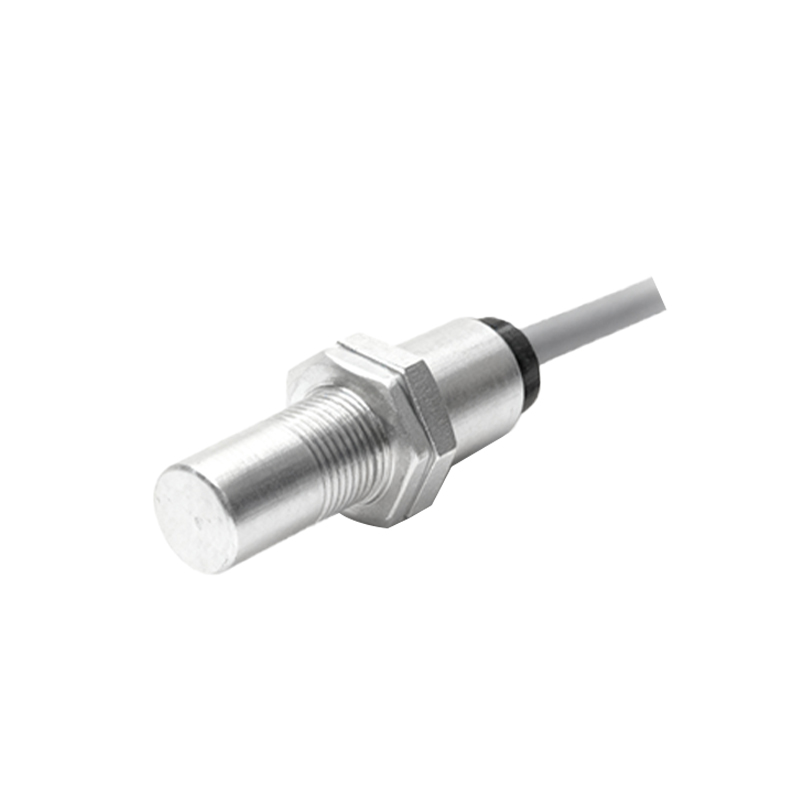
As technology advances, these sensors are becoming smaller, more energy-efficient, more accurate, and less expensive. The integration of sensor fusion, where data from multiple types of sensors is combined, is leading to even more robust and intelligent systems. For example, a smartphone might use data from an IR proximity sensor, an accelerometer, and the camera to intelligently manage power and user interface interactions. The future points towards even wider adoption in areas like augmented reality, advanced human-machine interfaces, and the ever-expanding Internet of Things (IoT), where giving devices the sense of "touchless touch" is fundamental to their operation. Understanding their working principles and capabilities is the first step in leveraging their potential to create smarter, safer, and more efficient automated solutions.