Laser proximity sensors are widely used in industrial automation, robotics, and safety systems due to their high precision and reliability. These devices detect the presence or absence of an object, measure distance, or monitor position without physical contact. Understanding the underlying principles helps in selecting the right sensor for specific applications.
At the core of a laser proximity sensor is the emission of a focused laser beam, typically from a laser diode. The laser light, often in the visible red or infrared spectrum, is directed toward a target. When the beam strikes an object, part of the light is reflected back toward the sensor. A photodetector, such as a photodiode or position-sensitive device (PSD), captures the reflected light. The sensor's electronics then analyze the received signal to determine distance or detect the object.
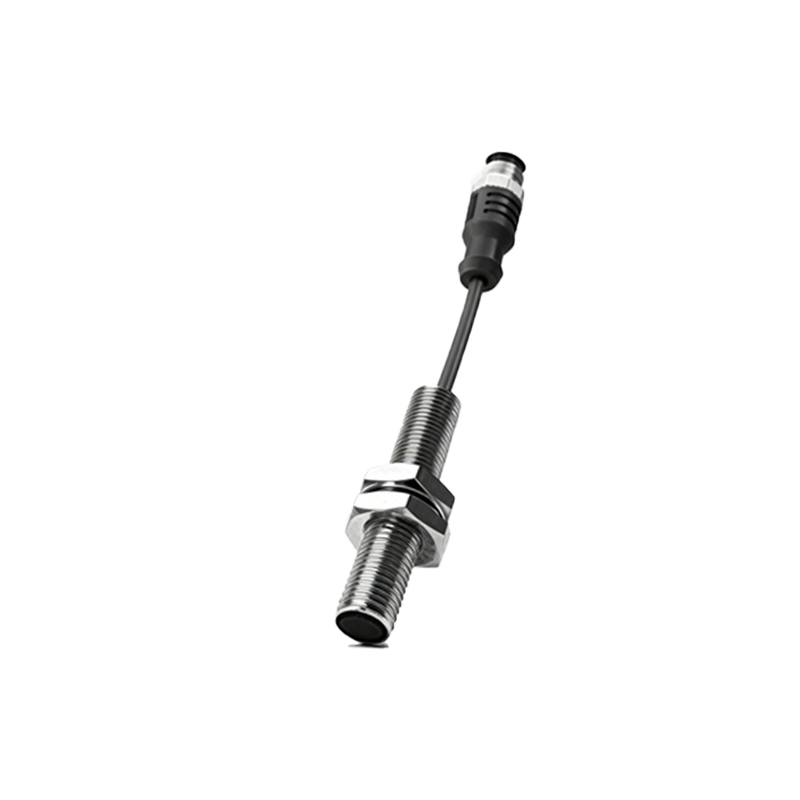
Two primary methods are employed for distance measurement: triangulation and time-of-flight (ToF). Triangulation-based sensors use geometric principles. The laser emitter, photodetector, and target form a triangle. As the distance to the target changes, the angle of the reflected beam shifts, causing the light spot to move on the photodetector's surface. By calculating the spot's position, the sensor determines the distance with high accuracy, often within micrometers. This method is ideal for short to medium ranges, such as in assembly line inspection or thickness gauging.
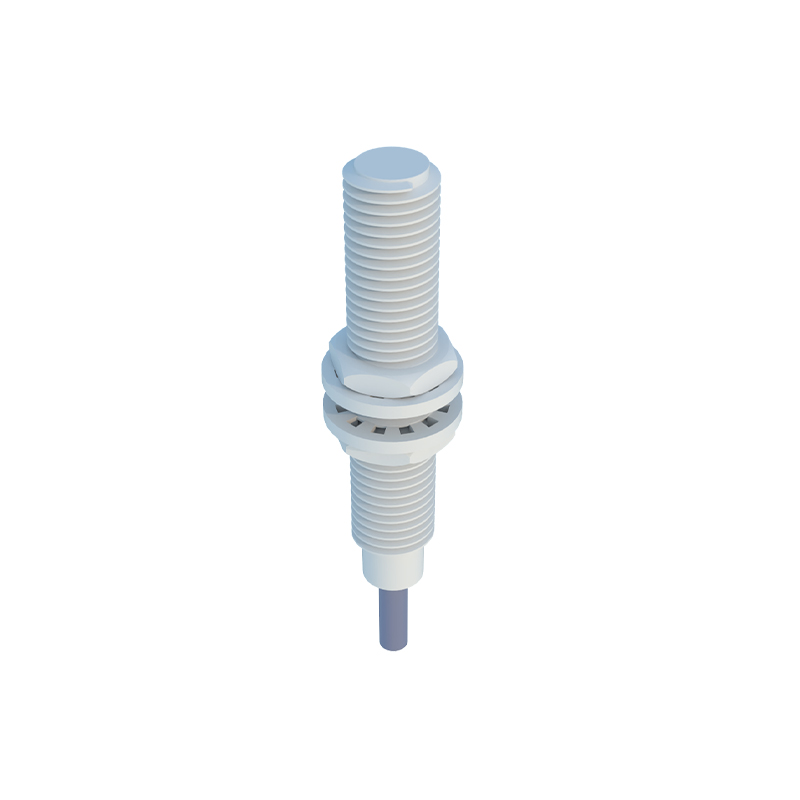
Time-of-flight sensors measure the round-trip time for the laser pulse to travel to the target and back. Since the speed of light is constant, the distance is calculated using the formula: distance = (speed of light × time) / 2. ToF sensors are suitable for longer ranges, from a few meters to hundreds of meters, and are common in autonomous vehicles, warehouse automation, and level monitoring. They offer fast response times but may have slightly lower resolution compared to triangulation sensors in close-range applications.
Key components include the laser source, optics, detector, and signal processing unit. The laser diode generates coherent, monochromatic light, which is collimated by lenses to form a narrow beam. Optics also focus the reflected light onto the detector. Advanced sensors may incorporate filters to reduce ambient light interference, ensuring stable operation in various lighting conditions. Signal processing algorithms filter noise, compensate for environmental factors, and output standardized signals like analog voltage or digital data.
Applications span numerous industries. In manufacturing, laser proximity sensors enable precise positioning of robotic arms, detect minute defects in products, and control conveyor systems. They enhance safety by monitoring hazardous zones, triggering alarms if an object enters a restricted area. Automotive systems use them for parking assistance, collision avoidance, and adaptive cruise control. In consumer electronics, they facilitate gesture recognition and autofocus in cameras.
Advantages over other sensor types include high accuracy, small spot size allowing detection of tiny objects, and immunity to electromagnetic interference. However, limitations exist. Performance can be affected by target properties; highly reflective or absorbent surfaces may distort readings. Environmental factors like dust, fog, or extreme temperatures require protective enclosures or specialized designs. Regular maintenance, such as lens cleaning, ensures longevity.
When integrating a laser proximity sensor, consider factors like measurement range, resolution, response time, and environmental conditions. Calibration against known references optimizes accuracy. Modern sensors often feature self-diagnostic capabilities and connectivity options for Industry 4.0 integration.
In summary, laser proximity sensors operate by emitting laser light, analyzing its reflection, and applying principles like triangulation or time-of-flight. Their non-contact nature, precision, and versatility make them indispensable in automation and beyond. As technology advances, developments in miniaturization, smart algorithms, and cost reduction will further expand their role in innovative solutions.