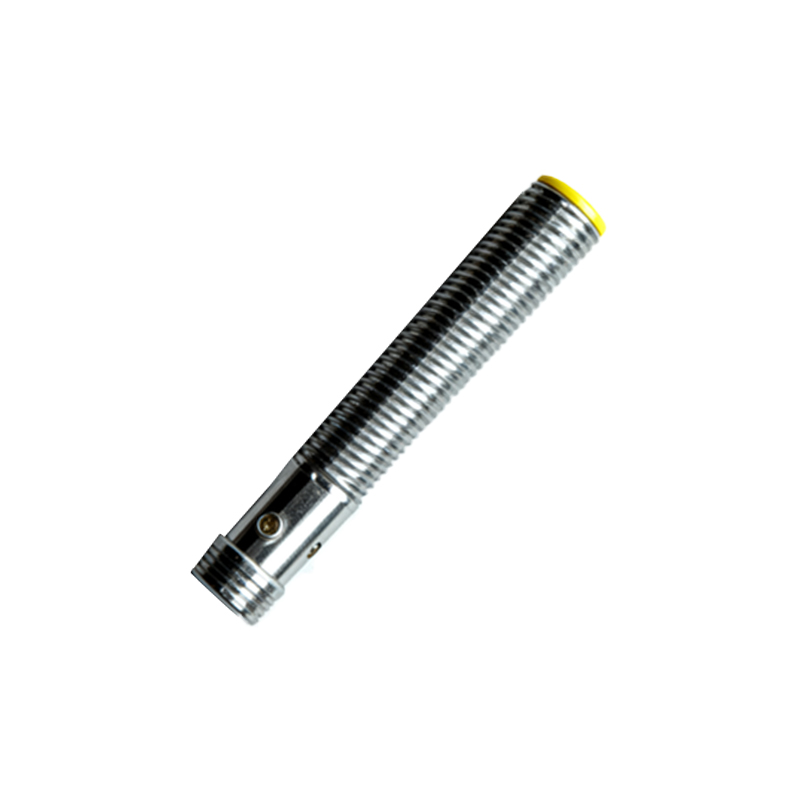
Injection molding stands as a pivotal manufacturing process for producing high-volume, precision plastic components, including those used in proximity sensors. This method is favored for its efficiency, repeatability, and ability to create complex geometries with tight tolerances essential for sensor housings, lenses, and internal structural parts. The process involves melting thermoplastic or thermoset polymer granules and injecting the molten material under high pressure into a custom-designed mold cavity. Once the material cools and solidifies, the mold opens to eject the finished part. For proximity sensors, which often require specific material properties like chemical resistance, dimensional stability, and sometimes optical clarity or EMI shielding, material selection is critical. Common choices include polycarbonate (PC), acrylonitrile butadiene styrene (ABS), polyamide (PA), and specialized grades such as liquid crystal polymer (LCP) for high-temperature applications.
The injection molding process for proximity sensor components demands meticulous attention to several key parameters to ensure part quality and functionality. Mold design is paramount, requiring precise gating, venting, and cooling channel layouts to prevent defects like air traps, sink marks, or warpage that could impair sensor performance. Engineers often employ techniques like overmolding or insert molding to integrate metal contacts, shielding elements, or lenses directly into the plastic part, enhancing durability and assembly efficiency. Process control is equally vital; parameters such as melt temperature, injection speed, packing pressure, and cooling time must be optimized to achieve consistent part dimensions and surface finishes. For optical components like infrared-transmissive lenses in some proximity sensors, specialized molding conditions—such as using polished mold surfaces and controlled cooling—are necessary to maintain clarity and minimize light diffusion.
Quality assurance in injection molding for proximity sensors involves rigorous inspection protocols. Dimensional checks using coordinate measuring machines (CMM) verify that parts meet specified tolerances, while functional tests may assess factors like seal integrity or electrical insulation. Advanced manufacturing setups often incorporate automation, with robotic systems handling part ejection and assembly to reduce contamination risks—a crucial consideration for sensors used in clean environments. Additionally, sustainable practices are gaining traction, with some manufacturers utilizing recycled plastics or bio-based polymers where performance requirements allow. As proximity sensors evolve with trends like miniaturization and IoT integration, injection molding methods continue to adapt, leveraging innovations such as micro-molding for tiny components and smart molds with embedded sensors for real-time process monitoring. This synergy between precision molding and sensor technology ensures reliable, cost-effective production, supporting industries from automotive to consumer electronics where proximity sensors play an indispensable role in enabling touchless interfaces, safety systems, and automated controls.