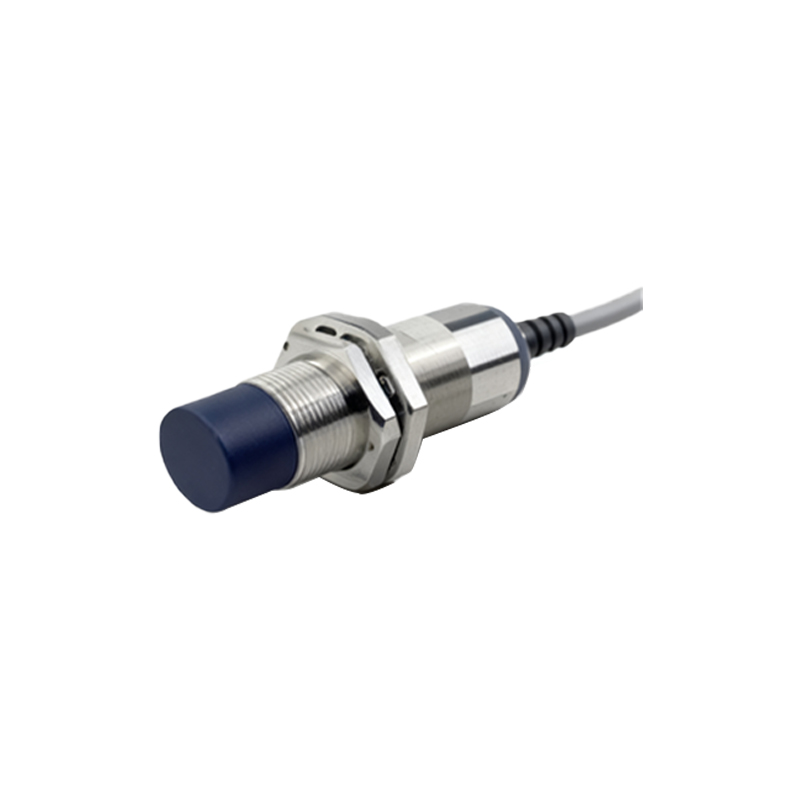
Proximity sensors, the silent sentinels of the industrial and consumer world, have evolved from simple detection tools to sophisticated components enabling automation, safety, and enhanced user experiences. Their core function—detecting the presence or absence of an object within a specific range without physical contact—makes them indispensable across diverse sectors. This article explores several compelling case studies that highlight their versatility and critical role.
In the automotive industry, proximity sensors are fundamental to both safety and convenience. Modern vehicles are equipped with ultrasonic sensors embedded in bumpers to facilitate parking assistance systems. These sensors emit high-frequency sound waves and measure the time taken for the echo to return, calculating the distance to obstacles. This provides the driver with audible or visual cues, preventing collisions. Furthermore, advanced driver-assistance systems (ADAS) rely on a fusion of radar and LiDAR-based proximity sensors for features like adaptive cruise control and blind-spot detection, creating a safety envelope around the vehicle.
Manufacturing and industrial automation represent the traditional stronghold of proximity sensors. Here, inductive sensors, which detect metallic objects, are ubiquitous. A classic application is on assembly lines, where they count products, verify the position of components, or confirm the opening and closing of robotic grippers. For instance, in bottling plants, an inductive sensor ensures a bottle is correctly positioned before the filling nozzle descends, preventing spills and downtime. In harsh environments, these robust sensors provide reliable feedback that is crucial for process control and efficiency.
The consumer electronics sector offers a subtle yet pervasive example. The smartphone in your pocket uses an infrared (IR) or capacitive proximity sensor. During a call, when you bring the phone close to your ear, the sensor detects this proximity and automatically turns off the display. This prevents accidental screen touches and conserves battery power. Similarly, automatic faucets and soap dispensers in public restrooms often use IR sensors to detect the presence of hands, promoting hygiene and reducing water waste.
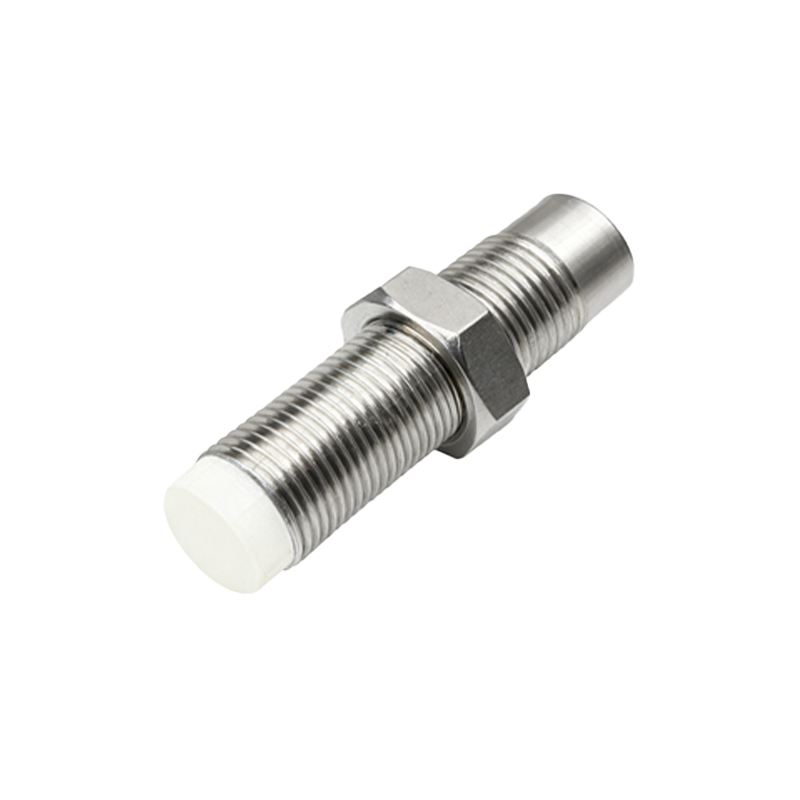
In the realm of smart buildings and security, proximity sensors enhance both functionality and safety. Automatic doors in supermarkets and airports use microwave or passive infrared (PIR) sensors to detect approaching pedestrians, enabling hands-free access. Security systems employ PIR sensors as motion detectors; they sense the infrared radiation emitted by a human body moving within their field of view, triggering alarms or activating lights in an intrusion scenario. This application is crucial for both residential and commercial property protection.
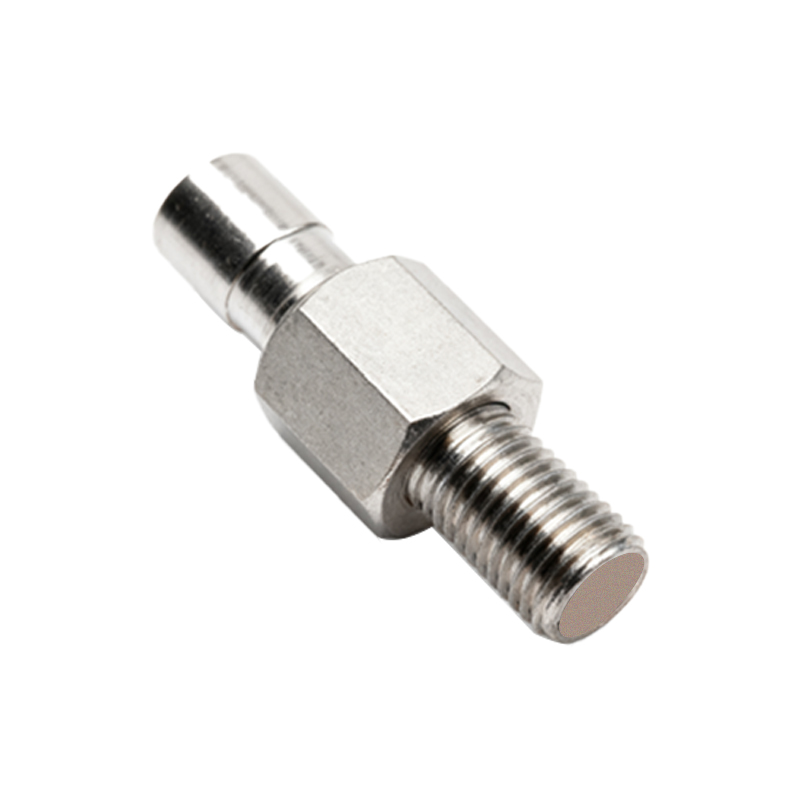
A more specialized application is found in the aerospace and aviation industries. Here, extremely reliable capacitive or eddy-current sensors are used for precise gap measurement. They can monitor the clearance between turbine blades and the casing in jet engines or measure the deflection of wings under load. This real-time data is vital for performance monitoring, predictive maintenance, and ensuring structural integrity under extreme conditions.
Looking ahead, the integration of proximity sensing with the Internet of Things (IoT) and artificial intelligence is unlocking new potentials. In smart agriculture, sensors can monitor the proximity of livestock to fences or gates. In retail, they can track customer movement and interaction with products, providing valuable analytics. The evolution continues towards miniaturization, increased accuracy, and lower power consumption, ensuring that these unassuming devices will remain at the heart of technological innovation, making our interactions with machines more intuitive, efficient, and safe.