In the realm of modern optoelectronics, laser flashlight photodetectors represent a critical intersection of illumination and sensing technology. These devices, often referred to simply as laser light sensors, are specialized components designed to detect, measure, and respond to the coherent light emitted by laser-based flashlights or pointers. Unlike conventional ambient light sensors, they are engineered with high sensitivity to specific laser wavelengths, enabling precise applications across various fields.
The core principle behind a laser flashlight photodetector is the photoelectric effect. When photons from a laser beam strike the sensor's active material—typically a semiconductor like silicon, germanium, or indium gallium arsenide—they transfer energy to electrons, generating an electrical current or voltage change. This signal is proportional to the intensity of the incident laser light. Key to their function is spectral selectivity; these sensors are often paired with optical filters to minimize interference from ambient light, ensuring they respond primarily to the targeted laser wavelength, commonly in the red (around 650nm), green (532nm), or blue-violet (405-450nm) ranges.
The architecture of these photodetectors varies. Photodiodes, including PIN and avalanche photodiodes (APDs), are prevalent for their fast response and high sensitivity, suitable for detection over distances. Phototransistors offer higher gain but may have slower response times. For extremely low-light or precision measurement applications, photomultiplier tubes (PMTs) or silicon photomultipliers (SiPMs) might be employed, though these are more complex and costly.
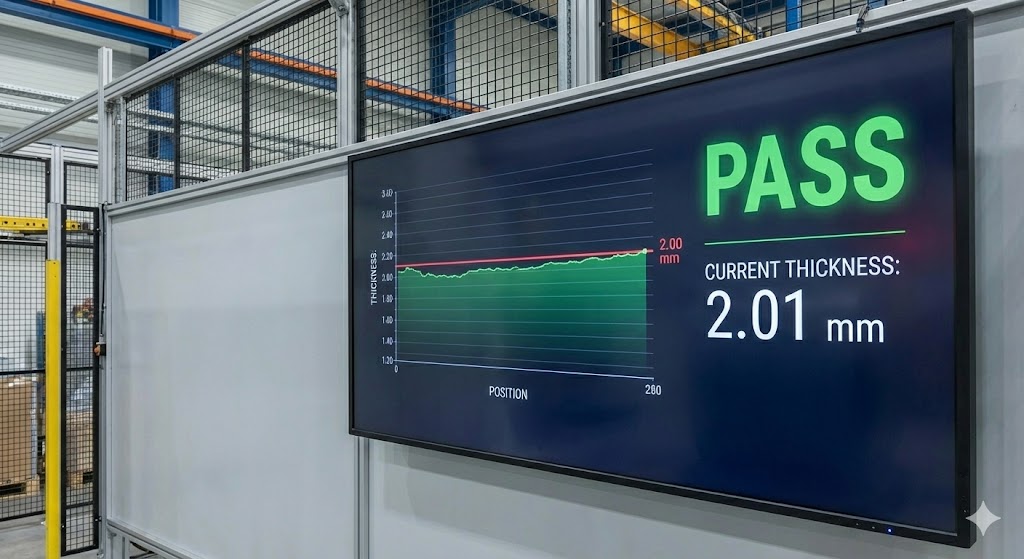
Practical applications of laser flashlight photodetectors are diverse and impactful. In industrial settings, they are integral to alignment systems, where a laser flashlight projects a beam, and the sensor detects its position to ensure machinery or structural components are perfectly aligned. In security and surveillance, they form the backbone of intrusion detection systems; an invisible laser beam creates a tripwire, and any interruption detected by the sensor triggers an alarm. The telecommunications industry utilizes them in free-space optical (FSO) communication, where data is transmitted via modulated laser light between towers, with photodetectors acting as the receivers.
Scientific research leverages these sensors in spectroscopy and LIDAR (Light Detection and Ranging). In educational demonstrations, they are used in experiments to teach principles of optics, light propagation, and photonics. Emerging applications include interactive gaming, where laser pointers interact with sensor-equipped screens, and even in some medical devices for non-invasive diagnostics.
Selecting the appropriate laser flashlight photodetector requires careful consideration of several parameters. Responsivity indicates how effectively the sensor converts light into electrical signal at a given wavelength. Response time determines how quickly it can detect a change in light, crucial for high-speed applications. The active area size affects the field of view and ease of alignment with the laser beam. Furthermore, factors like noise-equivalent power (NEP), which defines the minimum detectable light level, and operating temperature range are vital for demanding environments.
Integration of the sensor into a complete system involves signal conditioning circuitry. The small electrical output from the photodetector often requires amplification through a transimpedance amplifier. Subsequent filtering removes unwanted noise, and a comparator circuit can be used to create a digital trigger output when the laser light exceeds a set threshold. This allows the sensor to interface seamlessly with microcontrollers, programmable logic controllers (PLCs), or alarm units.
Safety is a paramount concern. While the photodetector itself is a passive receiver, it is frequently paired with a laser source. Users must adhere to laser safety classifications (e.g., IEC 60825) to prevent eye damage. Lasers used in such systems, especially higher-power classes, require appropriate safety measures, including labeling, controlled access, and protective eyewear.
The future of laser flashlight photodetector technology points toward greater miniaturization, enhanced sensitivity, and lower power consumption. Integration with wireless communication modules (IoT) will enable smarter, networked sensing systems. Advances in materials, such as graphene-based photodetectors, promise broader spectral response and faster speeds. As laser technology itself evolves with more efficient and compact diode lasers, the symbiotic development of corresponding photodetectors will continue to unlock new possibilities in automation, communication, and measurement, solidifying their role as indispensable tools in the optoelectronic landscape.