In the world of industrial automation and control systems, sensors are the fundamental components that bridge the physical environment with electronic logic. Among the most common types are 3-wire DC proximity sensors, which are predominantly configured as either PNP or NPN. While they may look identical from the outside, their internal switching logic and wiring are fundamentally different. Grasping the distinction between PNP and NPN sensors is crucial for designing, troubleshooting, and maintaining efficient and safe control circuits.
At the heart of the difference lies the type of transistor used for the output stage. PNP and NPN refer to the two types of bipolar junction transistors (BJTs). This internal architecture dictates how the sensor interacts with the load (like a PLC input, relay, or indicator light) and the power supply.
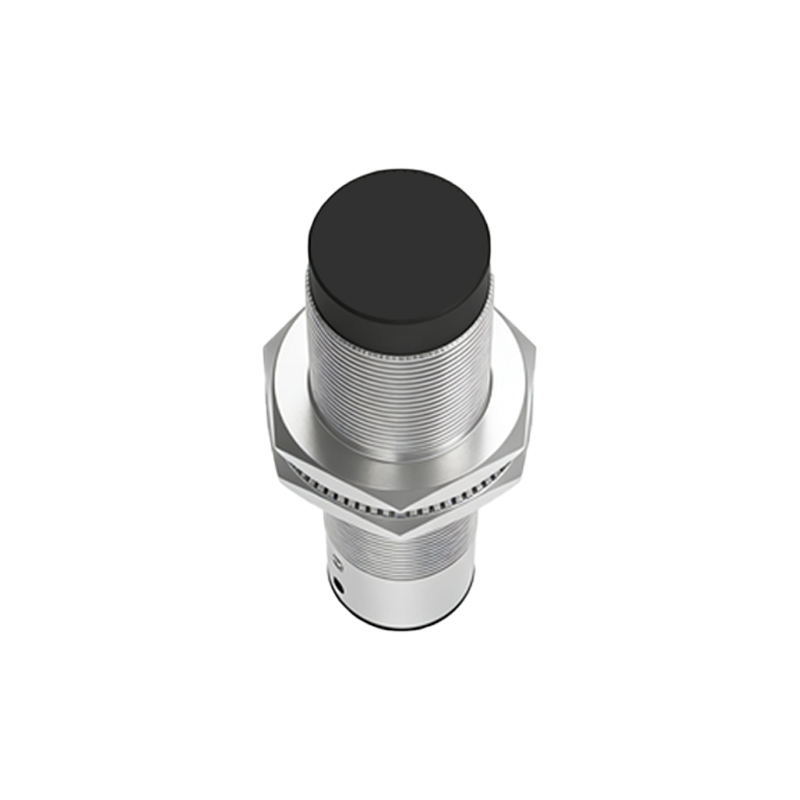
A PNP sensor is often described as "sourcing" output. In its active state (when it detects a target), it switches the output to connect to the positive supply voltage (+V). Imagine the electrical current flowing from the PNP sensor's output wire to the load. The load is then connected between the sensor output and the common negative (0V) of the power supply. Therefore, to complete the circuit, the load must be connected to the negative side. A simple way to remember this is: PNP = Positive-switched, Positive signal provided when active.
Conversely, an NPN sensor is a "sinking" output. When active, it switches the output to connect to the common negative or ground (0V). Here, the electrical current flows from the load into the NPN sensor's output terminal. The load must be connected between the positive supply (+V) and the sensor output. In essence, the NPN sensor provides a path to ground when triggered. A helpful mnemonic is: NPN = Negative-switched, Negative connection provided when active.
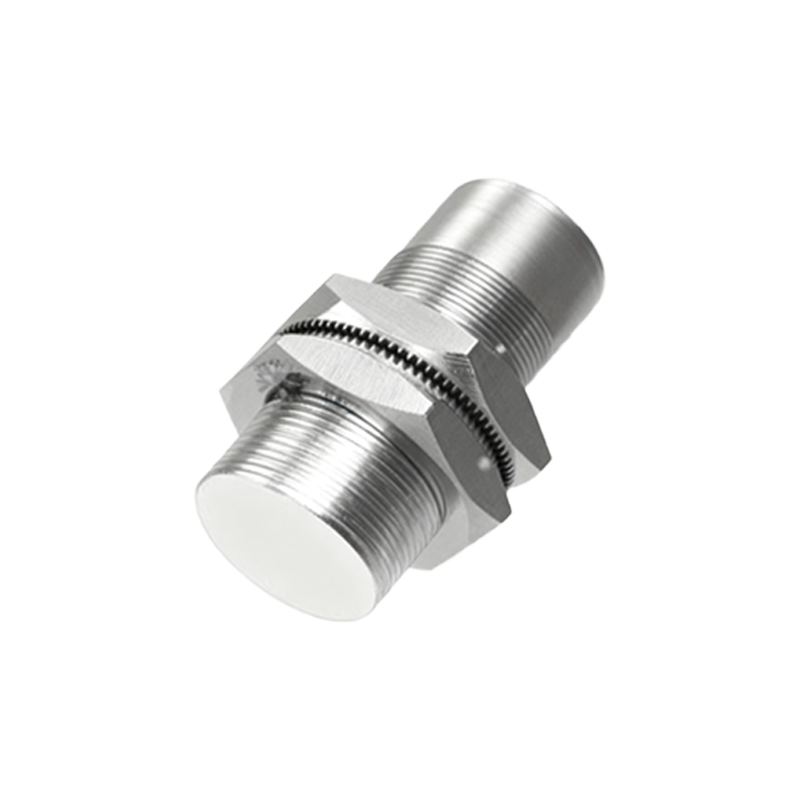
The choice between PNP and NPN is rarely about performance; both types are equally reliable, fast, and accurate. The decision is primarily dictated by regional conventions, the design of the control system, and safety considerations. In many European and Asian countries, PNP (sourcing) sensors are the standard and are typically used with PLCs that have sinking-type inputs. In contrast, North America has historically favored NPN (sinking) sensors, often paired with PLCs that have sourcing inputs. However, modern programmable logic controllers (PLCs) frequently feature universal inputs that can be configured for either type, offering greater flexibility.
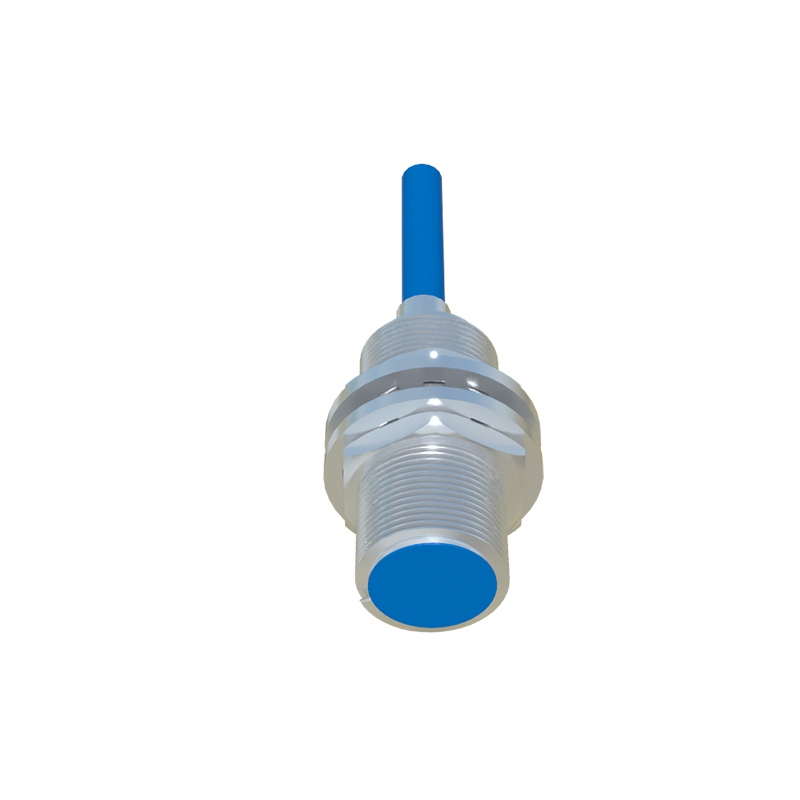
Wiring is a critical practical difference. Incorrectly wiring a PNP sensor into a circuit designed for NPN (or vice versa) will result in the sensor not functioning. It will not damage the sensor immediately, but the load will never be activated. Always consult the sensor's datasheet and the controller's manual. A general wiring rule: For a PNP sensor, the load is placed between the output (brown wire typically for +V, blue for 0V, and black for the signal output) and 0V. For an NPN sensor, the load is placed between +V and the output signal wire.
Safety is another dimension, particularly in fail-safe circuit design. In some critical applications, it is safer to have an "active-high" signal (like from a PNP) to indicate a normal condition, so that a wire break causes a loss of signal, triggering a safe shutdown. The choice can depend on whether a logic "1" (high voltage) or a logic "0" (low voltage) should represent an alarm or run state. This logic level compatibility with the controller is paramount.
In summary, PNP and NPN sensors perform the same physical detection function but present opposite electrical switching actions. PNP sources current from the positive rail, while NPN sinks current to the negative rail. Their selection influences the entire control circuit's wiring topology and logic interpretation. When integrating a sensor, always identify its output type, verify the power supply polarity, and ensure compatibility with the input module of your controller. Understanding this fundamental dichotomy is a key step in mastering industrial electronics and building robust automation systems.