Proximity sensors are indispensable components in modern automation, manufacturing, and countless electronic devices. Their ability to detect the presence or absence of an object without physical contact makes them reliable, durable, and versatile. However, selecting the right sensor for an application hinges on a deep understanding of its specifications. This guide delves into the critical parameters that define a proximity sensor's performance and capabilities, providing a framework for informed decision-making.
The core operating principle is the first major differentiator. Inductive sensors detect metallic objects, typically ferrous metals like steel and iron, with some models capable of sensing non-ferrous metals like aluminum or copper at reduced ranges. They generate an electromagnetic field, and a metallic target entering this field induces eddy currents, causing a change in oscillation that the sensor detects. Capacitive sensors, in contrast, can detect both metallic and non-metrous materials, including liquids, plastics, wood, and glass. They function by sensing changes in capacitance caused by the dielectric properties of a target entering their electrostatic field. Ultrasonic sensors emit high-frequency sound waves and measure the time for the echo to return, making them suitable for detecting objects of virtually any material, as well as measuring distance and level. Photoelectric sensors use a light beam (visible, infrared, or laser) and detect interruptions or reflections of that beam, offering very long sensing ranges and the ability to see small objects.
Once the sensing technology is chosen, the detailed specifications become paramount. The sensing distance is arguably the most critical parameter. It is defined as the nominal operating distance at which a standard target will reliably trigger the sensor. It is crucial to note that this is specified under ideal conditions (e.g., a specific mild steel square for inductive sensors). Real-world factors like target material, size, shape, and environmental conditions can affect the actual usable range. A related specification is the assured operating distance, which is a fraction (often 0-81%) of the nominal sensing distance, guaranteeing operation even under voltage and temperature tolerances.
Repeatability refers to the sensor's ability to consistently detect a target at the exact same point. High repeatability, often measured in micrometers, is essential for precision positioning applications. Hysteresis is the difference between the switch-on point (as the target approaches) and the switch-off point (as the target recedes). This built-in differential prevents chattering or rapid on/off cycling if the target stops right at the sensing edge, ensuring stable output.
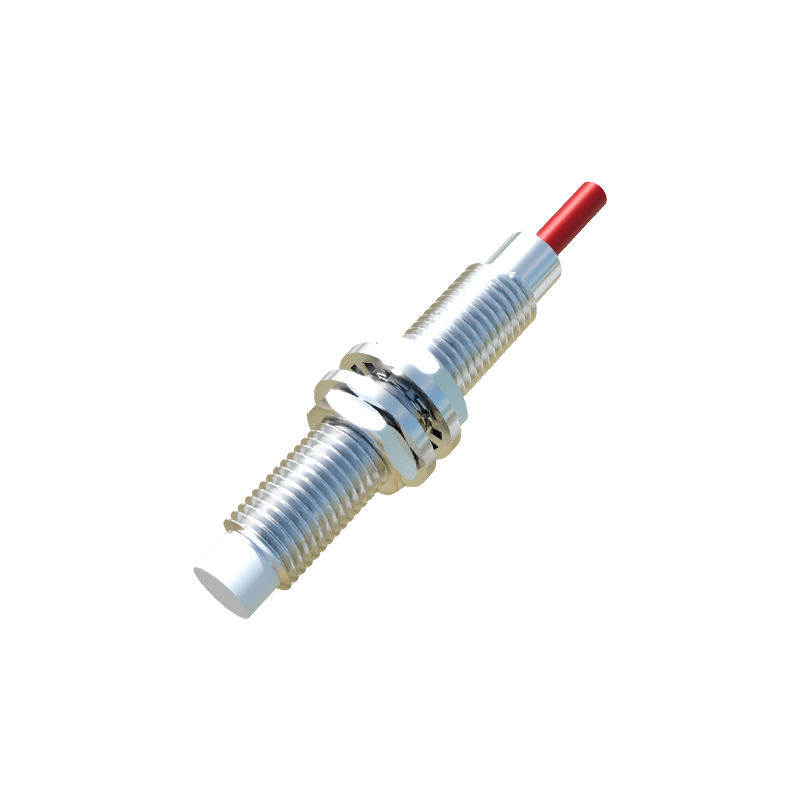
Output configuration is another vital specification. Sensors come with digital outputs (switching) or analog outputs (proportional). Digital outputs are either NPN (sinking) or PNP (sourcing), which describes the transistor type and current flow. NPN is common in Asia and Europe, while PNP is often preferred in North America; compatibility with the controller (PLC) is essential. The output function can be Normally Open (NO), closing the circuit when a target is detected, or Normally Closed (NC), opening the circuit upon detection. Analog outputs (e.g., 0-10V, 4-20mA) provide a continuous signal proportional to the distance to the target, enabling precise measurement.
Environmental ratings are non-negotiable for reliability. The Ingress Protection (IP) rating (e.g., IP67, IP69K) indicates the level of protection against dust and liquids. An IP67 sensor can withstand temporary immersion, while IP69K can resist high-pressure, high-temperature washdowns. The operating temperature range specifies the ambient temperatures within which the sensor will function correctly. For harsh environments, specifications for resistance to chemicals, vibration, and shock are also critical.
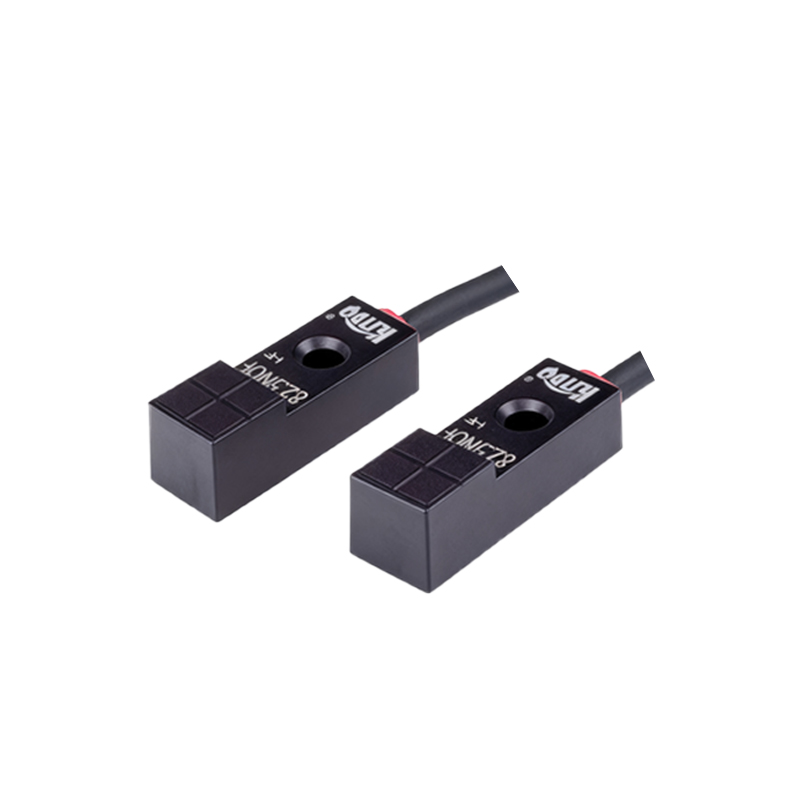
Electrical specifications include the supply voltage range (e.g., 10-30V DC) and current consumption. The output current capacity (load current) must be sufficient to drive the connected device, such as a PLC input or a small relay. Short-circuit and overload protection are highly desirable features that protect the sensor from accidental damage.
Finally, physical specifications like housing material (e.g., stainless steel, nickel-plated brass, or PBT plastic), size, and connection type (pre-wired cable or quick-disconnect) must be compatible with the mechanical and spatial constraints of the application.
In conclusion, a proximity sensor is more than just its type. Its specifications—sensing distance, repeatability, output type, environmental ruggedness, and electrical characteristics—paint the complete picture of its suitability. Carefully matching these parameters to the application's demands, including target material, required precision, environmental conditions, and electrical interface, is the definitive path to achieving optimal, reliable, and long-lasting performance in any automated system.