In the world of industrial automation and consumer electronics, the ability to detect the presence or absence of an object without physical contact is a fundamental requirement. Among the various non-contact sensing technologies available, capacitive proximity sensors have carved out a significant and growing niche. Unlike their inductive counterparts that primarily detect metals, capacitive sensors offer a unique versatility, capable of sensing a vast array of materials, including liquids, plastics, wood, and even human skin. This capability makes them indispensable in countless applications, from sophisticated manufacturing lines to the touchscreen in your pocket.
At its core, a capacitive proximity sensor operates on the principle of capacitance change. Every object possesses an inherent electrical capacitance—the ability to store an electrical charge. The sensor itself functions as one plate of a capacitor. When an object enters the sensor's active field, it effectively acts as the second plate, altering the overall capacitance of the system. The sensor's internal oscillator circuit is finely tuned to detect this minute change. Once the change exceeds a pre-set threshold, the sensor triggers a switching action, sending a signal to the connected control system, such as a PLC (Programmable Logic Controller).
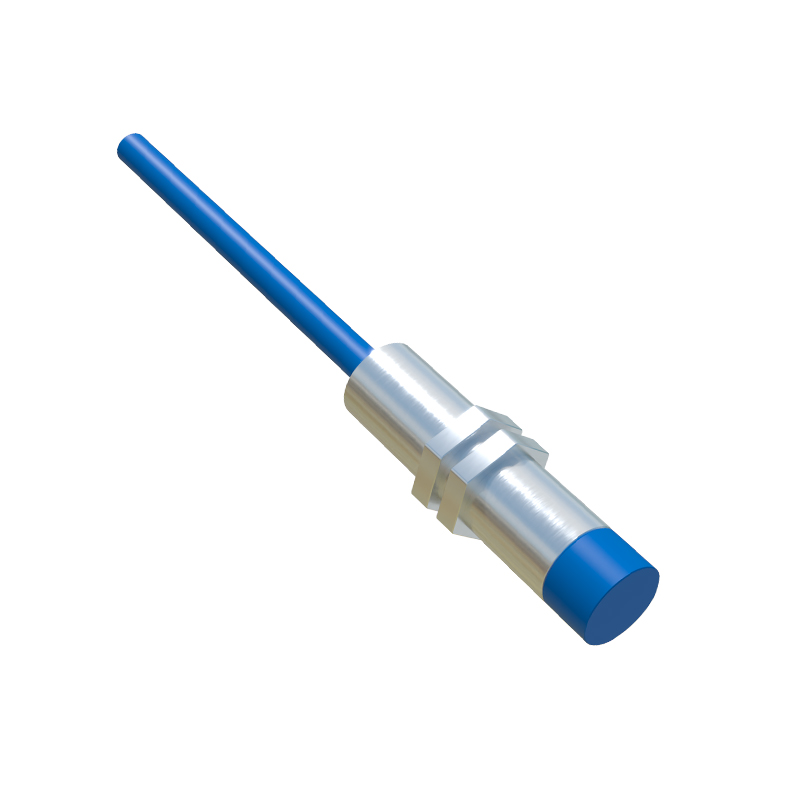
The key components of a typical capacitive sensor include a sensing electrode (often the face of the sensor), an oscillator circuit, a signal evaluator, and a solid-state output switch. Modern sensors are equipped with sensitivity adjustment potentiometers, allowing users to fine-tune the sensing range and ignore background interference, such as a container wall or a mounting bracket. This adjustability is crucial for reliable operation in complex environments.
The applications for capacitive proximity sensors are remarkably diverse. In industrial settings, they are commonly used for level detection in tanks containing liquids, granules, or powders. Whether monitoring the fill level of bottled water or the powder level in a hopper, these sensors provide reliable, non-contact feedback. They are also employed in material handling to detect the presence of non-metallic objects on conveyor belts, such as cardboard boxes, glass bottles, or plastic parts. Another critical application is in assembly and packaging machinery, where they verify the presence of caps, labels, or specific components.
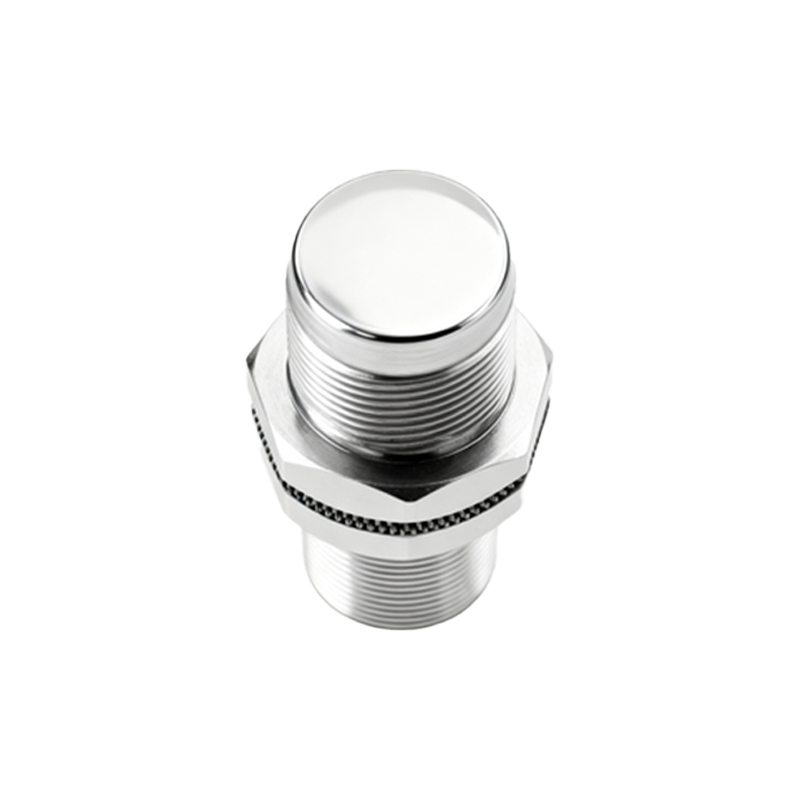
Beyond heavy industry, capacitive sensing is the foundational technology behind capacitive touchscreens, touch-sensitive buttons on appliances, and gesture recognition in devices. Their ability to sense through non-conductive materials like glass or plastic enclosures enables sleek, sealed, and waterproof designs. Furthermore, in the realm of automotive electronics, they are used for seat occupancy detection, touch-based interior controls, and rain sensors for automatic windshield wipers.
The advantages of capacitive proximity sensors are compelling. Their primary strength is material versatility. A single sensor type can be configured to detect almost any solid or liquid, simplifying inventory and design. They offer excellent long-term stability and reliability, as there are no moving parts to wear out. Modern designs are robust, capable of withstanding harsh industrial environments involving dust, moisture, and vibration. Additionally, their non-contact nature ensures no physical wear on either the sensor or the target object, leading to minimal maintenance and long service life.
However, selecting and applying capacitive sensors requires careful consideration. Their performance can be influenced by environmental factors such as humidity, temperature, and the presence of conductive dust. The dielectric constant of the target material significantly affects the sensing distance; materials with a high dielectric constant (like water) are detected from a greater distance than those with a low constant (like dry wood). Proper installation is also vital—ensuring the sensor is not mounted too close to grounded metal, which can dampen the field, and using non-metallic mounting brackets to prevent shielding effects.
In conclusion, capacitive proximity sensors represent a powerful and flexible solution for non-contact object detection. By leveraging the principle of capacitance change, they bridge the gap where other sensor technologies fall short, particularly with non-metallic targets. From ensuring efficient production flow on a factory floor to enabling intuitive user interfaces on consumer devices, their role is both fundamental and expanding. As technology advances, we can expect these sensors to become even more sensitive, miniaturized, and integrated, further solidifying their position as a cornerstone of modern sensing and automation.