In the realm of industrial automation, consumer electronics, and interactive systems, proximity capacitive sensors have emerged as a fundamental and versatile technology. Unlike mechanical switches or optical sensors, these devices detect the presence or absence of an object without physical contact, relying instead on subtle changes in an electrical field. Their operation is elegant in its simplicity yet powerful in application, enabling touch interfaces, liquid level detection, and precise positioning in challenging environments.
The core principle behind a proximity capacitive sensor is the manipulation of capacitance. At its most basic, capacitance is the ability of a system to store an electrical charge. A standard capacitor consists of two conductive plates separated by an insulating material, or dielectric. A proximity capacitive sensor functions similarly, but one "plate" is the sensor's active electrode, and the other can be a grounded object or even the earth ground itself. The air (or another medium) acts as the dielectric. When no target is present, the sensor has a baseline or parasitic capacitance. When a conductive or non-conductive object enters the sensor's electric field, it alters this capacitance. Conductive objects, like a human finger or a metal tool, effectively increase the capacitance significantly by acting as a new ground-coupled plate. Even non-conductive materials, such as plastic, wood, or liquids, change the dielectric constant of the field, resulting in a measurable, though typically smaller, change in capacitance.
This measurable change is the key. The sensor's internal circuitry, often an oscillator or a specialized integrated circuit (IC), continuously monitors this capacitance. When the change exceeds a predefined threshold—the sensitivity setting—the sensor's output switches state. This output is typically a digital signal (ON/OFF) or an analog value proportional to the distance or material property, which can be fed into a programmable logic controller (PLC), microcontroller, or other control system.
The advantages of this technology are numerous. First and foremost is the non-contact nature, which eliminates mechanical wear and tear, ensuring exceptionally long operational life and high reliability. They can detect through non-metallic barriers like glass, plastic, or thin walls, allowing for sealed, hygienic, or vandal-resistant designs. This makes them ideal for applications where the sensor must be protected from harsh environments like dust, moisture, or chemicals. Furthermore, their ability to sense a wide range of materials, from metals to insulating solids and liquids, provides remarkable flexibility. Modern sensors offer excellent noise immunity and can be tuned for specific applications, ignoring background interference.
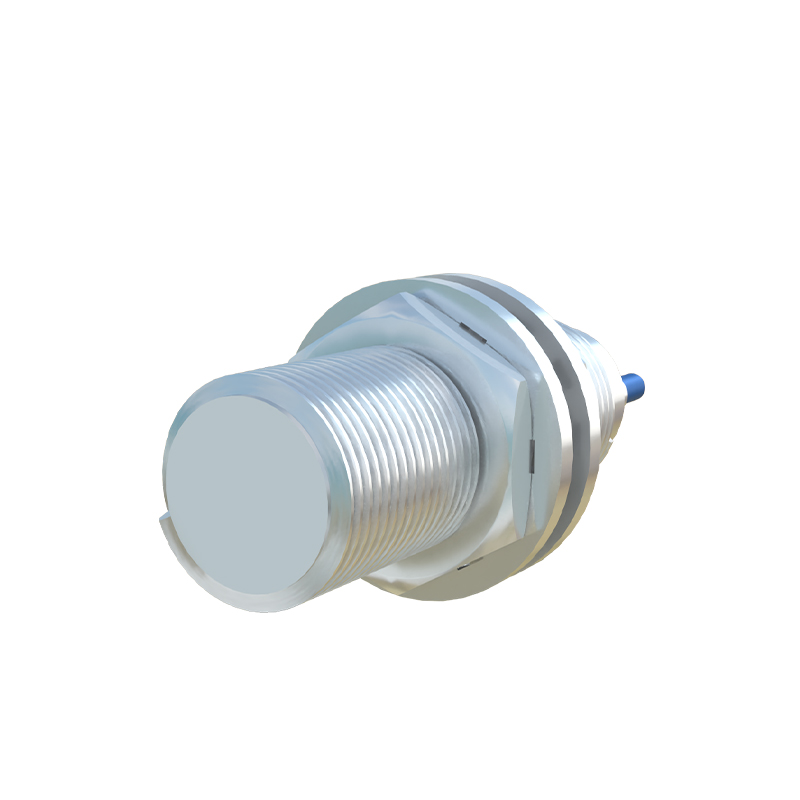
Applications for proximity capacitive sensors are vast and cross multiple industries. In consumer electronics, they form the basis of capacitive touchscreens, touch-sensitive buttons, and gesture recognition in smartphones, tablets, and appliances. In industrial automation, they are used for object detection on conveyor belts, precise positioning of machinery parts, and monitoring fill levels of liquids or granular materials in tanks—even through container walls. The automotive industry employs them for touch-based interior controls, seat occupancy detection, and fluid level monitoring. Other uses include interactive museum displays, proximity switches for safety systems, and detection of material presence in packaging machinery.
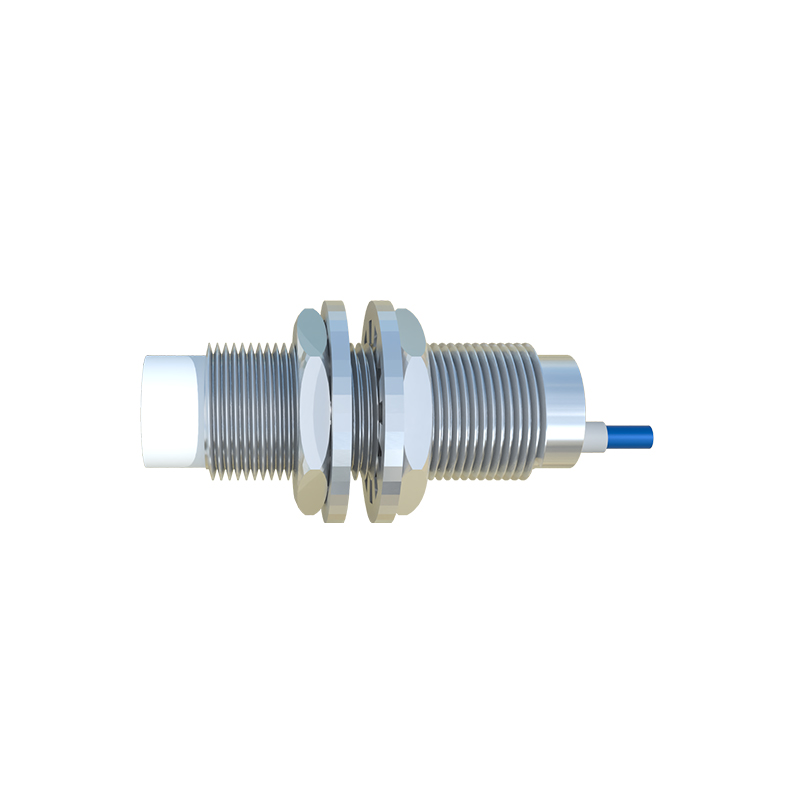
Selecting the right proximity capacitive sensor requires careful consideration of several parameters. The sensing distance, often shorter than its inductive counterpart for metals, is crucial and can be affected by the target material's size, composition, and the surrounding environment. The sensor's housing material (typically PBT or stainless steel) and ingress protection (IP) rating determine its suitability for wet or dirty conditions. Output type (NPN/PNP, NO/NC, analog) must be compatible with the control system. Sensitivity adjustment is a critical feature, allowing technicians to fine-tune the sensor to ignore the container wall while detecting the material inside, for example. Finally, factors like response time, operating voltage, and temperature range must align with the application's demands.
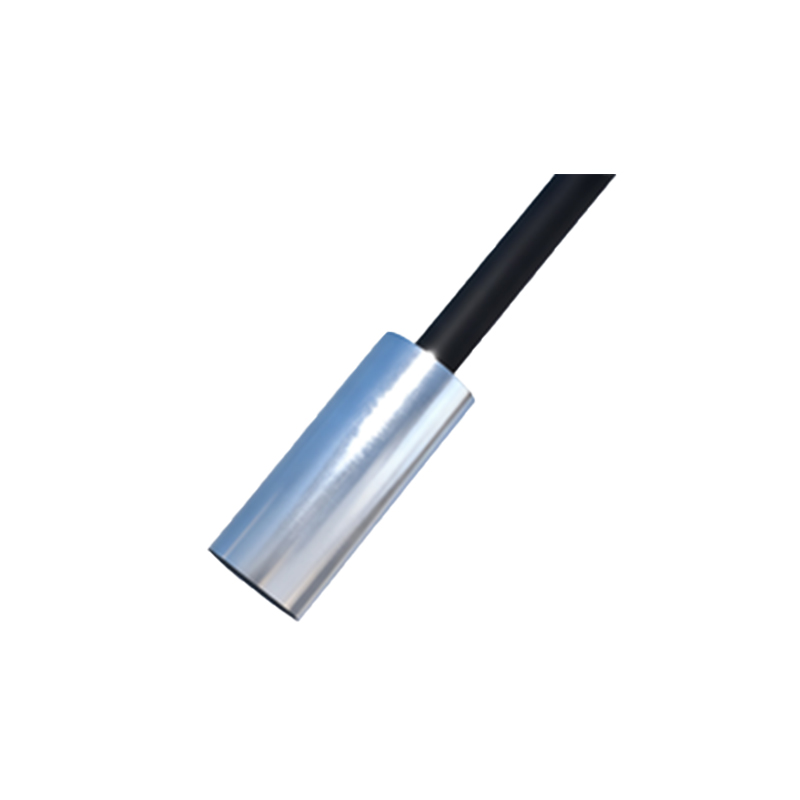
In conclusion, proximity capacitive sensors offer a unique blend of contactless operation, material versatility, and robust performance. By understanding their operating principles—the detection of changes in an electric field—engineers and designers can effectively leverage them to create more intuitive, reliable, and efficient systems across countless fields. As technology advances, these sensors continue to become more intelligent, integrated, and cost-effective, solidifying their role as a cornerstone of modern sensing solutions.