In the realm of advanced photonics and quantum technologies, maintaining precise temperature control is paramount. Lasers operating in cryogenic environments—often at temperatures near absolute zero—demand specialized monitoring solutions. Low temperature sensors designed for laser systems are not merely accessories; they are critical components that ensure stability, wavelength accuracy, and long-term reliability.
Why are low temperatures essential for certain lasers? Many high-precision laser applications, such as those in quantum computing, astrophysical instrumentation, or superconducting detector systems, require components to be cooled to cryogenic levels. At these temperatures, thermal noise is drastically reduced, material properties change, and some semiconductors exhibit enhanced performance. For instance, diode lasers used in atomic clocks or gravitational wave detectors often operate below 100 Kelvin to minimize frequency drift and phase noise. Without accurate temperature sensing, even minor thermal fluctuations can degrade beam quality, shift output wavelengths, or cause mode hopping, ultimately compromising the entire experiment or device.
The core challenge lies in integrating sensors that function reliably in extreme cold. Traditional temperature sensors, like standard resistance temperature detectors (RTDs) or thermocouples, may suffer from calibration drift, reduced sensitivity, or physical failure when subjected to cryogenic cycles. Specially engineered low temperature sensors address these issues through advanced materials and designs. Common types include cryogenic RTDs (using materials like platinum or germanium), silicon diode sensors, and Cernox® sensors, each offering distinct advantages in specific temperature ranges and magnetic field environments.
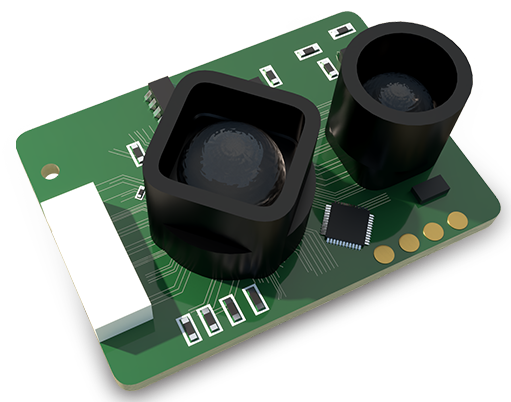
Key considerations when selecting a low temperature sensor for laser systems include:
1. Temperature Range and Resolution: Sensors must cover the operational range, often from room temperature down to millikelvin levels, with resolution fine enough to detect sub-millikelvin changes that could affect laser performance.
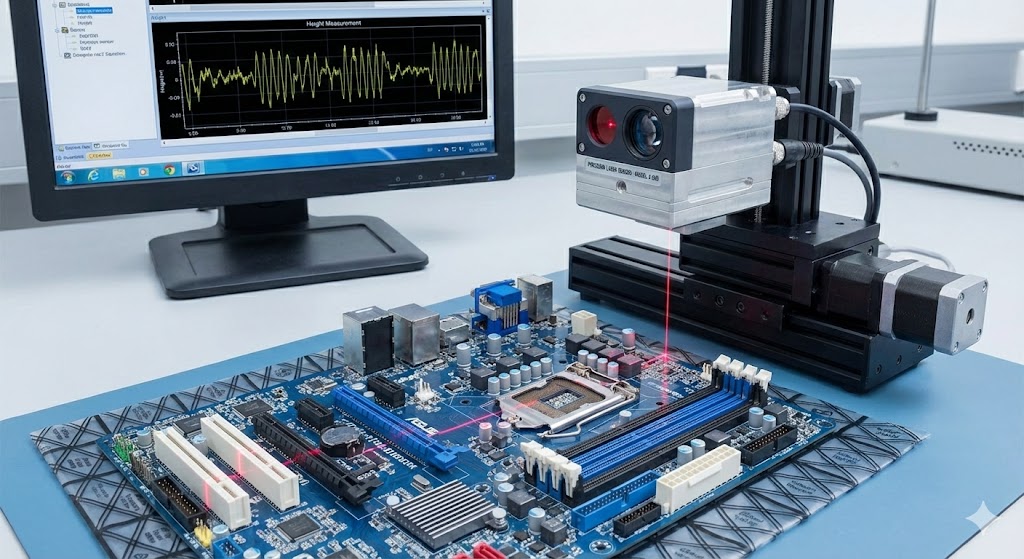
2. Minimal Heat Load: The sensor itself should introduce negligible additional heat into the cryogenic system. Miniaturized, low-power designs are preferred.
3. Stability and Repeatability: Long-term calibration stability is crucial, especially in experiments lasting days or weeks. Sensors must withstand thermal cycling without significant drift.
4. Electromagnetic Compatibility: Many cryogenic laser setups involve high magnetic fields (e.g., in superconducting magnet systems). Sensors must operate accurately without interference.
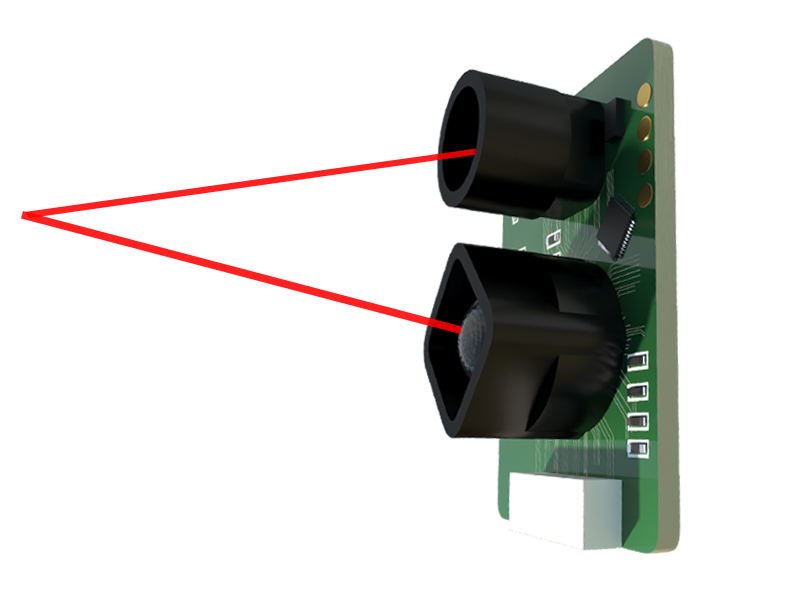
5. Integration and Packaging: Sensors need to be mounted in direct thermal contact with the laser component (like the diode or crystal) while avoiding mechanical stress or optical path obstruction.
Installation best practices emphasize thermal anchoring—ensuring the sensor is firmly attached to the measurement point using high-conductivity materials like copper or sapphire. Proper thermal grounding prevents erroneous readings from stray heat fluxes. Additionally, wiring must be carefully managed; even small currents through sensor leads can generate unwanted heat. Using thin, thermally anchored wires and low-excitation measurement currents is standard in cryogenic setups.
Beyond mere monitoring, advanced systems incorporate these sensors into closed-loop feedback circuits. By feeding real-time temperature data to a cryocooler or heater controller, the laser’s thermal environment can be actively stabilized. This is especially vital for narrow-linewidth lasers or frequency combs where temperature-induced length changes in optical cavities must be compensated.
Emerging trends point toward on-chip integrated sensors. For photonic integrated circuits (PICs) operating at cryogenic temperatures, embedded nanoscale thermometers—such as those based on superconducting quantum interference devices (SQUIDs) or graphene—allow in-situ temperature mapping without disrupting the laser waveguide structure. This integration supports the development of compact, robust cryogenic laser modules for space missions or portable quantum devices.
In summary, low temperature sensors are indispensable enablers for lasers pushing the boundaries of science and technology. Their role transcends simple measurement; they provide the thermal awareness necessary for unlocking the full potential of lasers in the coldest environments. As cryogenic laser applications expand from fundamental research to commercial quantum systems, the demand for smarter, more resilient, and minimally invasive temperature sensors will only grow.