In today's interconnected world, sensors are the silent, unseen facilitators of countless technologies. Among the most prevalent are proximity sensors and light sensors. While their names might suggest simple functions, their applications and underlying technologies are diverse and sophisticated, fundamentally shaping user experiences in consumer electronics, industrial automation, and beyond. This guide delves into their principles, types, and real-world uses, clarifying the distinctions and overlaps between these essential components.
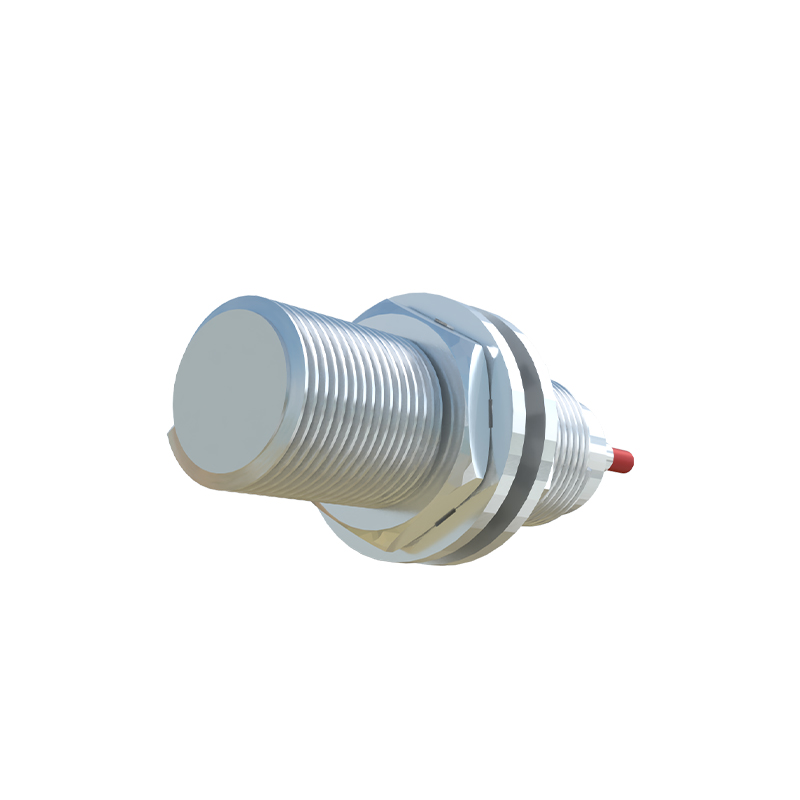
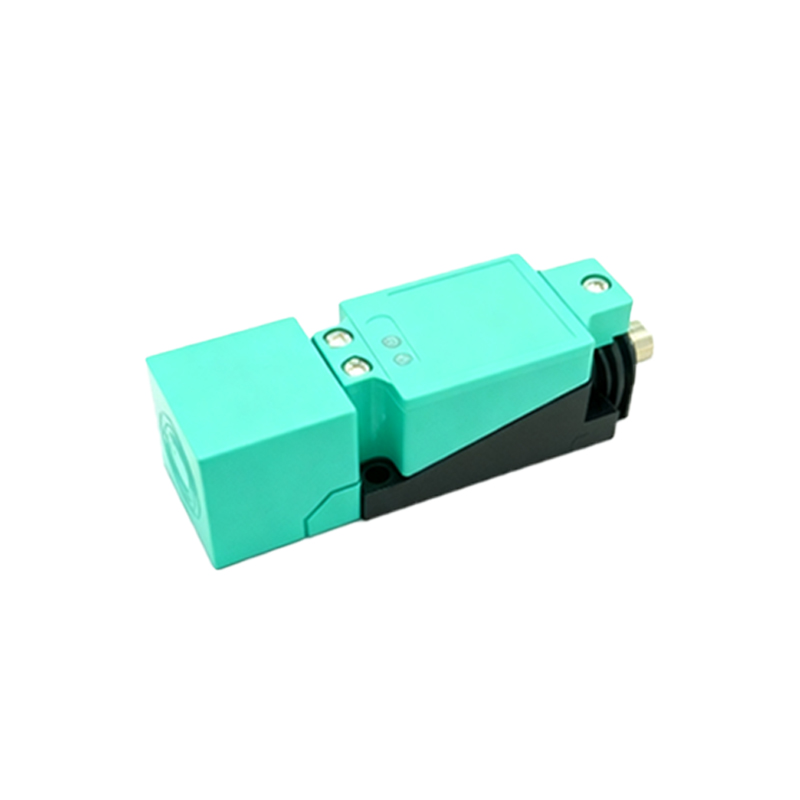
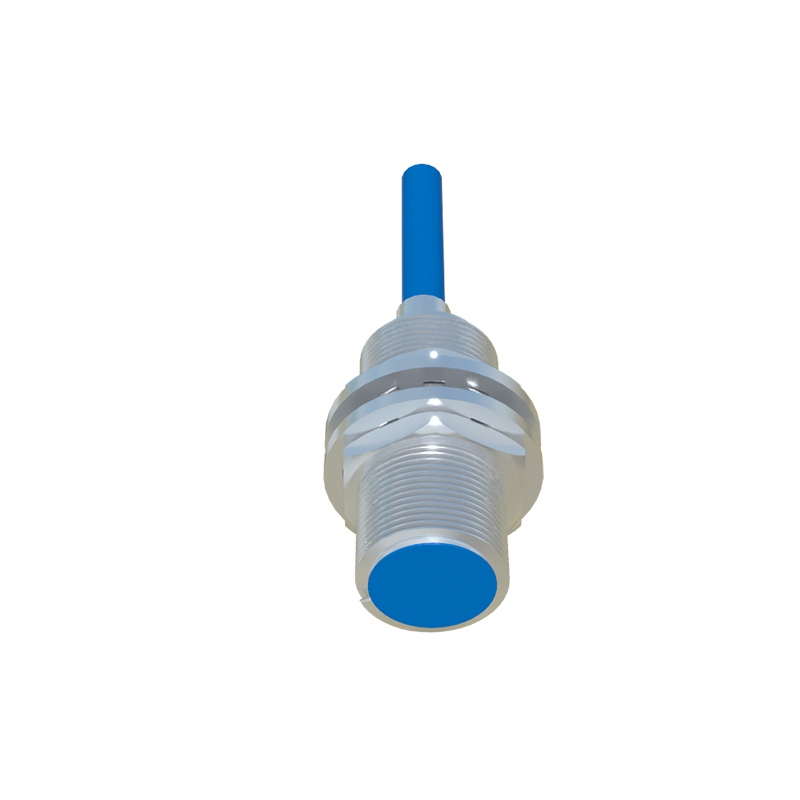
A proximity sensor is a device that detects the presence or absence of an object within a specified range without any physical contact. Its primary function is to sense "nearness." The technology behind this detection varies. Inductive proximity sensors generate an electromagnetic field to detect metallic objects, making them ideal for harsh industrial environments like assembly lines. Capacitive sensors can detect both metallic and non-metallic materials (like liquids or plastics) by measuring changes in capacitance, useful in level detection or touch-sensitive interfaces. Ultrasonic sensors emit high-frequency sound waves and measure the echo's return time to calculate distance, commonly found in parking assist systems and robotics. Finally, photoelectric sensors, which often use infrared (IR) light, detect objects by projecting a light beam; an interruption or reflection of this beam signals an object's presence. This IR technology is ubiquitous in smartphones, where it disables the touchscreen during a call to prevent accidental cheek-presses.
A light sensor, more formally a photodetector, is designed to measure the intensity of ambient light. Its core function is quantifiable measurement of luminous flux. The most common type is the photoresistor or Light Dependent Resistor (LDR), whose resistance decreases with increasing light intensity. These are simple and cost-effective, often used in automatic streetlights or nightlights. Photodiodes and phototransistors are semiconductor devices that convert light into an electrical current. They are faster and more sensitive than LDRs, enabling precise light measurement in applications like camera light meters, optical communication systems, and pulse oximeters. Ambient Light Sensors (ALS) in smartphones, tablets, and laptops are typically advanced photodiodes that automatically adjust screen brightness for optimal visibility and power efficiency.
While distinct, the technologies of proximity and light sensing often converge. The most prominent example is the IR-based proximity sensor found in mobile devices. This sensor combines an IR LED (emitter) and a photodiode (receiver). The LED emits an invisible infrared beam. When an object, like your head, comes close, the beam reflects back to the photodiode. The sensor interprets the intensity of the reflected light to gauge proximity. Here, a photodiode—a core component of light sensors—is employed not to measure ambient light, but to detect the presence of a reflected IR signal for proximity calculation. Therefore, this specific implementation is a proximity sensor using light-based (optical) technology.
The applications of these sensors are vast and critical. In consumer electronics, beyond smartphone screen management, proximity sensors enable features like automatic screen wake-up in laptops when a user approaches. Light sensors are indispensable for auto-brightness adjustment, enhancing battery life and user comfort. In industrial and automotive sectors, proximity sensors are workhorses for object detection, position control, and safety systems (e.g., detecting obstacles near automated machinery). Light sensors play roles in automated lighting control in buildings and headlight automation in vehicles. In the realm of the Internet of Things (IoT), both sensor types contribute to smart environments, from security systems that detect movement to energy management systems that optimize lighting based on natural light availability.
Choosing the right sensor depends on the specific requirement. Key considerations include the target material (metal, plastic, skin), required detection range, environmental conditions (dust, moisture), response speed, and cost. For instance, detecting a human hand for a touchless faucet would use a capacitive or IR proximity sensor, while measuring daylight for a smart greenhouse would require a calibrated ambient light sensor.
In conclusion, proximity sensors and light sensors, though based on different primary objectives—detection versus measurement—are pillars of modern automation and interaction design. Their evolution continues to drive innovation, making our devices more intuitive, efficient, and responsive. Understanding their core principles and applications is key to appreciating the invisible intelligence embedded in the technology we use every day.