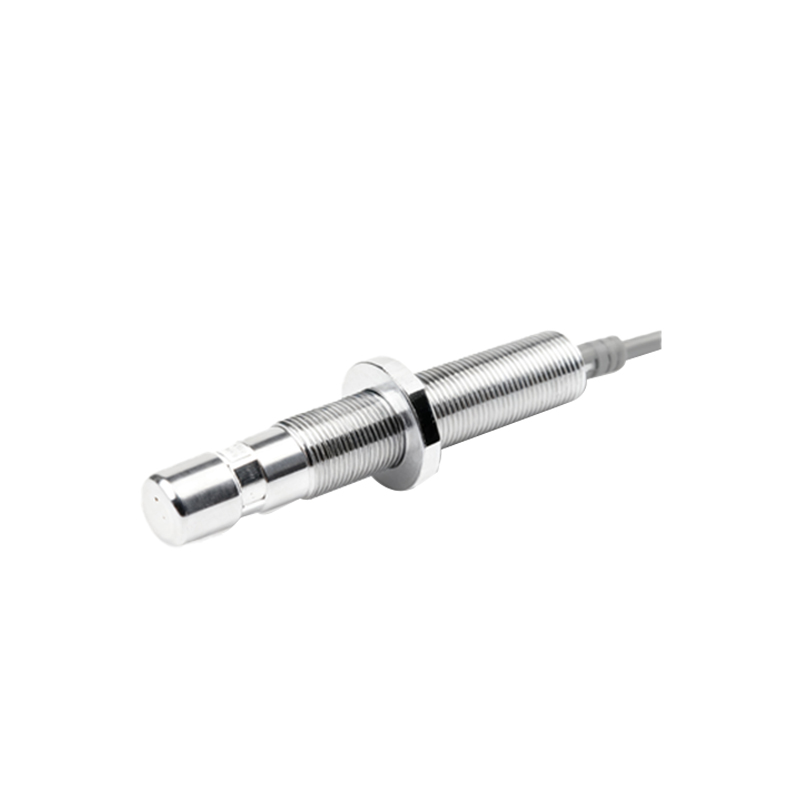
In the rapidly evolving landscape of industrial automation and smart manufacturing, Hall proximity sensors have emerged as critical components for precise non-contact detection. These sensors, leveraging the Hall effect to measure magnetic fields and detect the presence of ferrous objects, are integral to applications ranging from automotive systems and robotics to consumer electronics and safety equipment. The global supply chain for Hall proximity sensors is characterized by a diverse array of companies, each contributing to innovation, reliability, and scalability in this specialized field.
Leading the market are established multinational corporations with extensive R&D capabilities and global distribution networks. Companies like Honeywell, TE Connectivity, and Omron have built strong reputations for producing high-precision, durable sensors that meet stringent industrial standards. These firms often offer comprehensive product portfolios, including miniature sensors for space-constrained applications and robust variants designed for harsh environments with extreme temperatures or vibrations. Their focus on integrating advanced materials and signal processing technologies ensures enhanced sensitivity and reduced false triggers, which are paramount for mission-critical operations in sectors such as aerospace and medical devices.
Alongside these giants, a growing number of specialized suppliers and mid-sized enterprises are carving out niches by addressing specific industry needs. For instance, companies like Allegro MicroSystems and Infineon Technologies excel in developing integrated circuit solutions that combine Hall sensors with onboard diagnostics and digital interfaces, facilitating easier integration into IoT-enabled systems. These players often emphasize customization, working closely with OEMs to tailor sensor parameters like switching frequency, output type (digital or analog), and packaging to unique operational requirements. This flexibility is particularly valuable in emerging fields like electric vehicle powertrains and renewable energy systems, where sensor performance directly impacts efficiency and safety.
The supply ecosystem also includes regional manufacturers and distributors that bolster local availability and support. In Asia-Pacific markets, firms such as Panasonic and Sick AG have expanded their production facilities to cater to the booming automotive and electronics manufacturing hubs in China, Japan, and South Korea. These companies often compete on cost-effectiveness and rapid delivery times, ensuring that small to medium-sized enterprises can access reliable sensor solutions without lengthy lead times. Additionally, online platforms and component distributors like Digi-Key and Mouser Electronics play a pivotal role in democratizing access, offering extensive catalogs that simplify procurement for engineers and procurement specialists worldwide.
Quality assurance and compliance with international standards are central to the credibility of suppliers. Reputable companies invest heavily in testing protocols, adhering to norms such as ISO 9001 for quality management and IEC standards for electromagnetic compatibility. Certifications like UL listing or CE marking further validate sensor safety and performance, which is crucial for export-oriented markets. Moreover, sustainability initiatives are gaining traction, with suppliers increasingly adopting eco-friendly materials and energy-efficient manufacturing processes to align with global environmental regulations and corporate responsibility goals.
Looking ahead, the Hall proximity sensor market is poised for growth driven by trends like Industry 4.0 and autonomous systems. Suppliers are innovating with smart sensors featuring wireless connectivity and self-calibration capabilities, reducing maintenance downtime. Challenges such as raw material shortages and geopolitical trade tensions underscore the importance of resilient supply chains, prompting companies to diversify sourcing and invest in predictive inventory management. For buyers, selecting a supplier involves evaluating not just product specs but also technical support, lifecycle management, and adaptability to future technological shifts.
In summary, the network of companies supplying Hall proximity sensors is dynamic and multifaceted, blending technological expertise with strategic market approaches. From global leaders to agile specialists, each contributor plays a vital role in advancing sensor technology, ensuring that industries worldwide can achieve higher levels of automation, safety, and efficiency. As demand continues to rise, collaboration across this supply chain will be key to unlocking new possibilities in precision sensing and beyond.