Swiss laser sensors represent the pinnacle of precision measurement technology, a testament to Switzerland's enduring legacy in high-quality engineering and innovation. Renowned for their exceptional accuracy, reliability, and robustness, these sensors are integral components across a diverse spectrum of global industries, from advanced manufacturing and pharmaceuticals to aerospace and scientific research. The foundation of this excellence lies in Switzerland's unique ecosystem, which seamlessly blends world-class technical education, a deeply ingrained culture of precision craftsmanship, and sustained investment in research and development. Swiss engineering firms, both large multinationals and specialized SMEs, have mastered the art of transforming fundamental optical principles into rugged, user-friendly, and incredibly precise industrial tools.
The core technology behind these sensors often involves time-of-flight measurements, triangulation, or interferometry. Laser light is emitted towards a target, and the sensor analyzes the reflected beam. By precisely measuring the phase shift, time delay, or position of the reflected light, the sensor can calculate distance, displacement, thickness, or presence with micron-level or even sub-micron accuracy. What sets the Swiss variants apart is not just the theoretical application of these principles, but the meticulous attention to detail in execution. This includes the use of superior-grade optics, temperature-stable components, and sophisticated signal-processing algorithms that filter out environmental noise, ensuring stable performance even in challenging conditions like vibration, varying ambient light, or extreme temperatures.
In manufacturing, Swiss laser sensors are the eyes of automation. They perform non-contact inspection of component dimensions, verify assembly completeness, guide robotic arms for precise picking and placing, and monitor wear on production tools. In the pharmaceutical sector, they ensure the exact fill level in vials and the integrity of blister packaging. The semiconductor industry relies on them for wafer alignment and thickness monitoring. Beyond industrial floors, they are crucial in transportation for toll collection and vehicle classification, in agriculture for yield monitoring and autonomous guidance, and in environmental monitoring for tracking glacier movements or structural deformations in civil engineering projects.
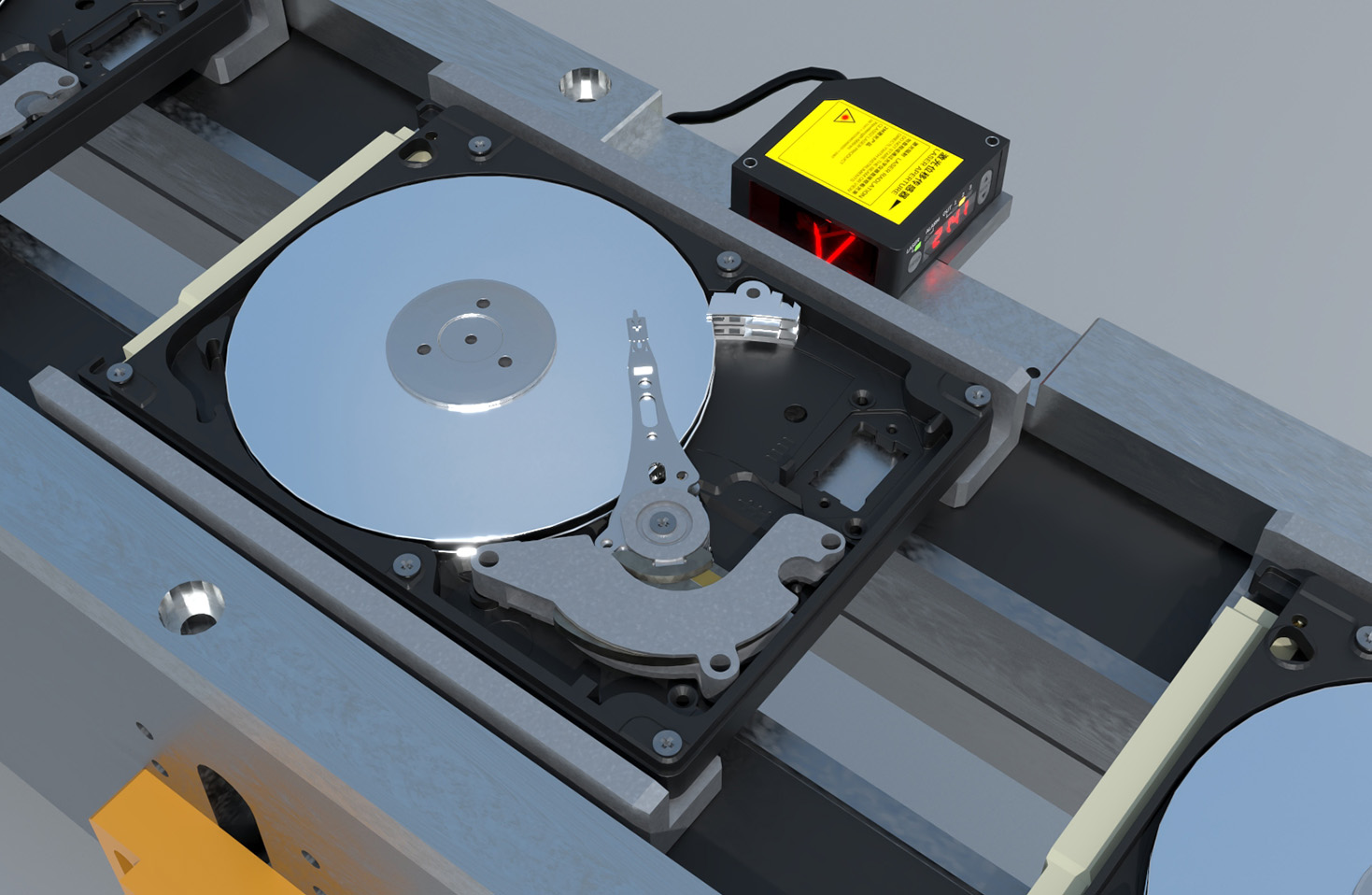
The Swiss advantage extends beyond the sensor hardware itself. It encompasses a holistic approach to solution-building. Companies often provide extensive application engineering support, helping clients integrate sensors into complex systems. The software interfaces are typically intuitive, allowing for easy configuration and data analysis. Furthermore, there is a strong emphasis on standardization and quality assurance, with many products complying with stringent international norms (e.g., ISO, IEC), making them trusted partners for global supply chains.
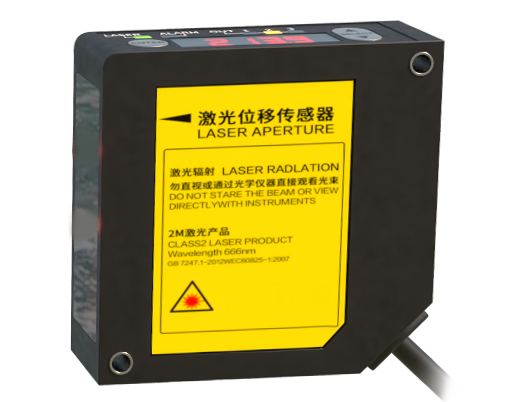
Looking forward, the evolution of Swiss laser sensors is tightly linked to broader trends in Industry 4.0 and the Internet of Things (IoT). The next generation of sensors is becoming smarter, more connected, and more compact. They feature integrated processors for edge computing, enabling preliminary data analysis directly at the source. Standardized industrial communication protocols like IO-Link, PROFINET, and EtherCAT allow for seamless integration into digital networks, facilitating predictive maintenance and real-time process optimization. Swiss innovators are also pushing the boundaries in areas like miniaturization for portable devices and enhancing capabilities for measuring challenging surfaces, such as transparent or highly reflective materials.
Choosing a Swiss laser sensor is therefore not merely selecting a measurement device; it is investing in a piece of engineered reliability. It signifies a commitment to process integrity, quality control, and operational efficiency. While the initial investment may be higher compared to some alternatives, the total cost of ownership is often lower due to reduced downtime, minimal recalibration needs, and longer service life. For engineers and decision-makers worldwide who cannot compromise on precision, the "Swiss made" label on a laser sensor continues to be a powerful symbol of trust, performance, and technological leadership, driving innovation and ensuring quality from the clean rooms of Basel to the assembly lines of Detroit and beyond.