In the realm of industrial automation, consumer electronics, and safety systems, the ability to detect the presence or absence of an object without physical contact is paramount. This is where proximity sensors come into play, and among the various reliable options available, Tiangang proximity sensors have established a notable reputation. This article delves into the working principles, common applications, and key factors for selecting the right Tiangang sensor for your needs.
At its core, a Tiangang proximity sensor is an electronic device designed to detect the presence of nearby objects. It achieves this by emitting an electromagnetic field or a beam of electromagnetic radiation, typically infrared light, and then looking for changes in the field or return signal. The most common types offered by Tiangang include inductive, capacitive, and photoelectric sensors. Inductive sensors are used to detect metallic objects. They generate an oscillating electromagnetic field from a coil. When a metallic object enters this field, it induces eddy currents within the object, which in turn dampens the oscillation amplitude of the sensor's coil. This change is detected by the sensor's circuitry, triggering an output signal. These sensors are robust, resistant to environmental factors like dust and oil, and are ideal for industrial settings involving machinery and metal parts.
Capacitive proximity sensors, on the other hand, can detect both metallic and non-metallic materials such as liquids, plastics, wood, and granules. They function by generating an electrostatic field. When any object with a dielectric constant different from air enters this field, it changes the capacitance of the circuit, which is then detected. This makes them versatile for applications in level detection of liquids or powders, and in material handling. Tiangang's capacitive sensors often feature sensitivity adjustments to fine-tune their response to different materials.
Photoelectric sensors utilize light beams. A Tiangang photoelectric proximity sensor typically consists of a light emitter (usually an LED) and a receiver. When an object interrupts or reflects the light beam, the receiver detects the change, and the sensor switches its output state. These are excellent for long-range detection and can sense objects of almost any material, provided the object affects the light path. They are subdivided into through-beam, retro-reflective, and diffuse reflective types, each suited for specific distance and environmental conditions.
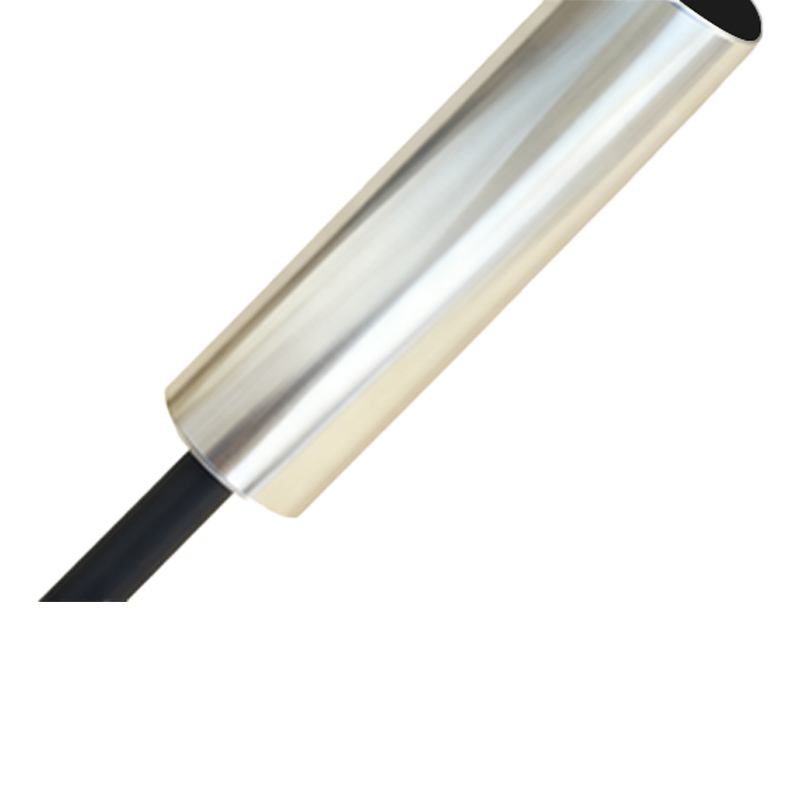
The applications of Tiangang proximity sensors are vast and cross-industrial. In automotive assembly lines, inductive sensors precisely count metal components or verify the position of engine parts. In the packaging industry, photoelectric sensors ensure products are correctly positioned for labeling or boxing. Capacitive sensors monitor fluid levels in tanks within chemical plants or food processing facilities. Furthermore, they are integral to modern consumer devices; for instance, a smartphone uses a proximity sensor to turn off the screen during a call to prevent accidental touches.
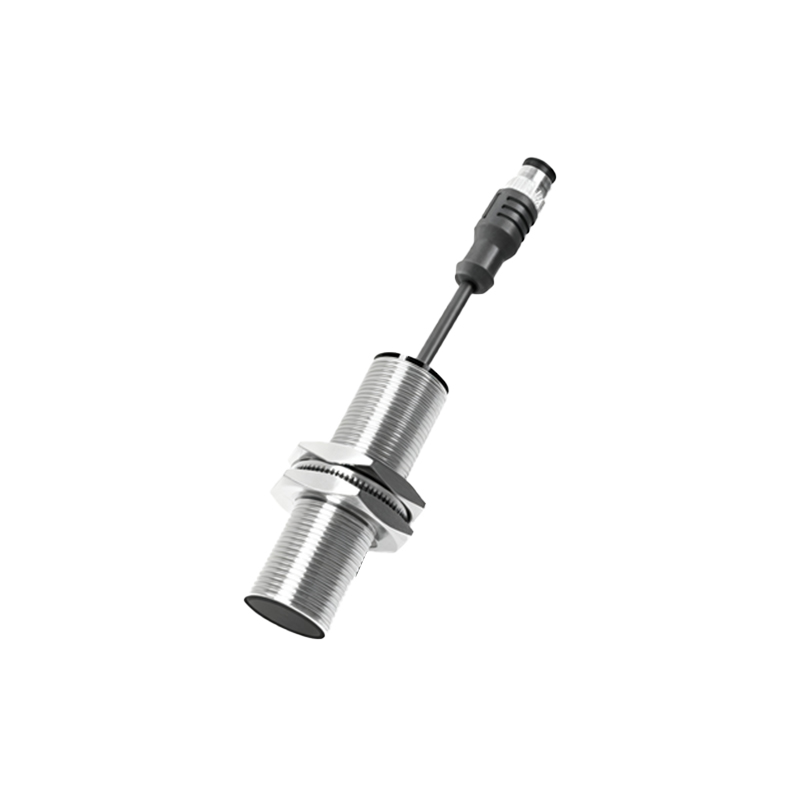
Safety is another critical domain. These sensors are employed in safety interlocks on machinery guards, ensuring the machine cannot operate if a protective door is open, thereby preventing accidents. In public spaces, they automate doors, faucets, and hand dryers, promoting hygiene and energy efficiency.
Selecting the appropriate Tiangang proximity sensor requires careful consideration of several parameters. First, identify the target material: metal, non-metal, liquid, or transparent object. This will dictate whether you need an inductive, capacitive, or photoelectric sensor. Second, consider the sensing distance or range required for the application. It's advisable to choose a sensor with a rated sensing distance slightly greater than the maximum needed to account for installation tolerances and environmental factors. Third, the output type is crucial. Common outputs include NPN (sinking), PNP (sourcing), analog, or relay contacts. The choice must be compatible with the control system's input module, such as a PLC.
Environmental conditions cannot be overlooked. Factors like ambient temperature, potential exposure to water, oils, chemicals, or heavy vibration will determine the required housing material and protection rating (e.g., IP67 for dust and temporary immersion). Tiangang offers sensors with various housing materials like nickel-plated brass, stainless steel, or PBT plastic, and different ingress protection levels to suit harsh environments. Finally, consider the electrical specifications such as operating voltage and current consumption to ensure proper integration into the existing power system.
Installation and maintenance are generally straightforward. Ensuring correct alignment, maintaining a clean sensing face free from debris, and avoiding mutual interference between multiple sensors placed closely are key to reliable operation. Regular functional checks are recommended as part of preventive maintenance.
In conclusion, Tiangang proximity sensors provide reliable, non-contact detection solutions across a diverse spectrum of industries. By understanding their fundamental operating principles—inductive for metals, capacitive for a wider range of materials, and photoelectric for long-range and precise detection—engineers and technicians can effectively harness their capabilities. A methodical selection process focusing on the target object, required range, output compatibility, and environmental durability ensures optimal performance and longevity,