In the world of industrial automation and machine control, proximity switches are indispensable components for non-contact detection. Among the various technologies available, the term "SMO" often surfaces, particularly in relation to inductive proximity sensors. This article delves into the concept of SMO in proximity switches, explaining its significance, how these sensors work, their common types, and where they are typically applied.
Firstly, it is crucial to clarify what "SMO" represents. In the context of proximity sensors, SMO is frequently associated with the sensing face or core material. It often refers to a specialized ferrite core material or a design methodology aimed at enhancing performance. Some industry sources interpret SMO as relating to the sensor's "Switched Mode Operation" or its output switching characteristics, while others link it to specific material compositions like "Soft Magnetic Oxides" used in the sensor's core to improve sensitivity and stability, especially in demanding environments. Regardless of the precise acronym expansion, the focus remains on the sensor's ability to detect metallic objects reliably without physical contact.
The fundamental principle behind an inductive proximity switch, which is the primary type where SMO-related enhancements are discussed, is electromagnetic induction. The sensor contains a coil wound around a core (often an SMO ferrite core). An oscillator circuit generates a high-frequency electromagnetic field that radiates from the sensing face. When a metallic target enters this field, eddy currents are induced on the surface of the metal. These eddy currents draw energy from the oscillator, causing a reduction in its amplitude. A detection circuit monitors this amplitude change. Once the amplitude drop reaches a predetermined threshold, the sensor's solid-state output switch is triggered, changing state (e.g., from OFF to ON). This entire process happens rapidly and without any mechanical wear.
Several key types of inductive proximity switches may incorporate SMO principles or materials. Standard cylindrical sensors are the most common, known for their robustness and threaded metal housing. Rectangular or block-style sensors offer alternative form factors for specific mounting constraints. Factor 1 sensors are designed to detect all metals (ferrous and non-ferrous) at a similar sensing range, often employing advanced core designs for consistent performance. In contrast, Factor 2 sensors have a significantly longer range for ferrous metals (like iron and steel) compared to non-ferrous metals (like aluminum or copper). The core material and design, potentially involving SMO, play a critical role in defining these sensing characteristics. Furthermore, sensors designed for extreme environments—featuring extended temperature ranges, high resistance to welding spatter, or robust chemical resistance—often utilize specialized materials in their construction.
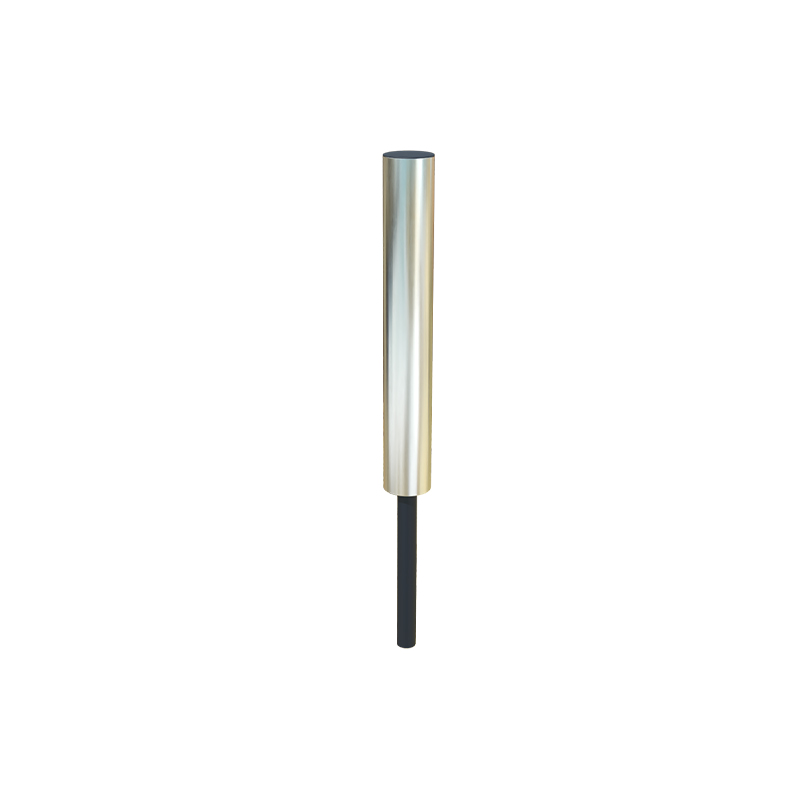
The advantages of using high-quality proximity switches, potentially those with SMO-enhanced designs, are numerous. Their non-contact nature ensures a long operational life with no mechanical wear on the sensor or target. They offer high switching speeds, capable of detecting thousands of operations per second, which is essential for high-speed counting and positioning tasks. They are highly reliable and resistant to environmental factors like dust, dirt, and moisture (given appropriate IP ratings). With no moving parts to wear out, they require minimal maintenance. Their solid-state outputs provide clean and fast switching signals for programmable logic controllers (PLCs) and other control systems.
Applications for these sensors are vast across manufacturing and processing industries. They are extensively used for precise object detection on conveyor lines, in automated assembly stations, and within packaging machinery. They serve as essential components for position sensing, verifying if a cylinder is extended or retracted, or if a part is correctly seated in a fixture. Rotary speed monitoring on shafts and gears is another common application, where sensors count passing gear teeth. They are also fundamental in safety interlocking systems, confirming the closed position of guards and doors. From metal machining centers and automotive production lines to food processing plants and material handling systems, inductive proximity switches are the silent workhorses enabling automation.
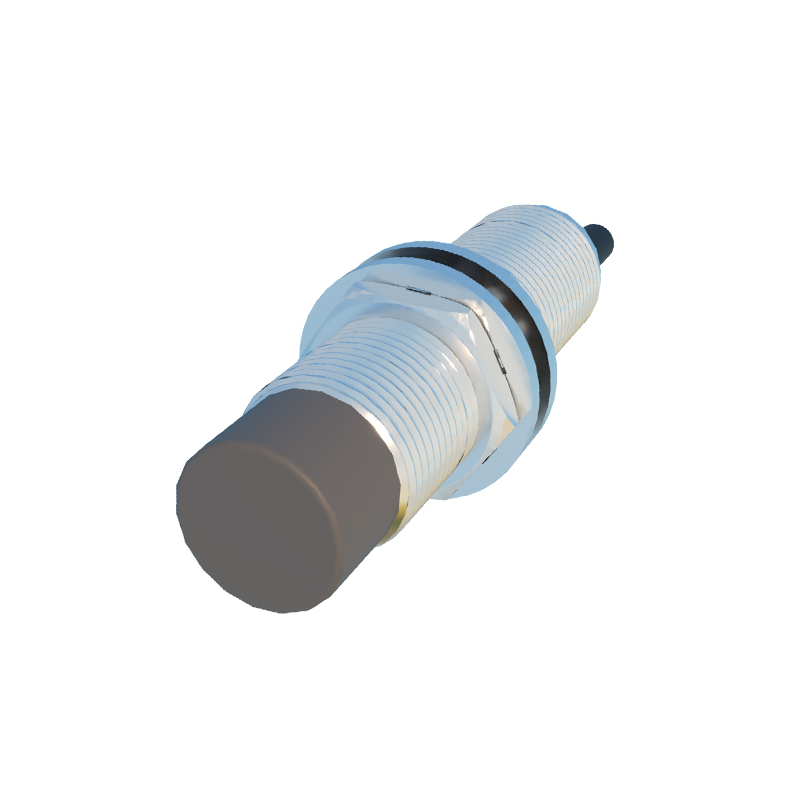
Selecting the right proximity switch involves considering several parameters. The sensing distance, or nominal range, must be suitable for the application, with a safety margin applied. The target material (steel, aluminum, brass) and size influence the effective sensing range. The housing material (often nickel-plated brass or stainless steel) and Ingress Protection (IP) rating must withstand the operational environment, which may involve coolants, oils, or washdowns. The electrical output type (NPN or PNP, normally open or normally closed) must be compatible with the control system's input module. Finally, physical factors like housing style, size, and mounting method are practical considerations for integration.
In summary, while "SMO" in proximity switches may point to specific material or operational enhancements in the sensor's core design, the overarching value lies in the reliable, non-contact detection of metallic objects. Understanding the basic operating principle, the common types available, and the key selection criteria empowers engineers and technicians