Position laser sensors represent a critical advancement in non-contact measurement technology, enabling high-precision detection and monitoring across numerous industrial sectors. These devices operate by emitting a focused laser beam toward a target object. The sensor then analyzes the reflected light, using principles such as triangulation, time-of-flight, or interferometry to calculate the exact distance to the object. This distance data is directly translated into a precise position value. Unlike traditional contact probes or mechanical gauges, laser sensors eliminate the risk of surface damage, wear, and measurement inaccuracies caused by physical force, making them ideal for delicate or high-speed applications.
The core technology behind these sensors is both sophisticated and reliable. In a typical triangulation-based sensor, the laser diode projects a visible or infrared spot onto the target surface. The reflected light is focused onto a position-sensitive detector, such as a CCD or CMOS array. As the target's distance changes, the position of the light spot on the detector shifts proportionally. This shift is processed by the sensor's internal electronics to output a highly accurate analog or digital signal corresponding to the target's position. Modern sensors incorporate advanced features like automatic background suppression, which filters out ambient light, and integrated processors for real-time data analysis, ensuring stable performance even in challenging environments with vibration or varying surface colors and materials.
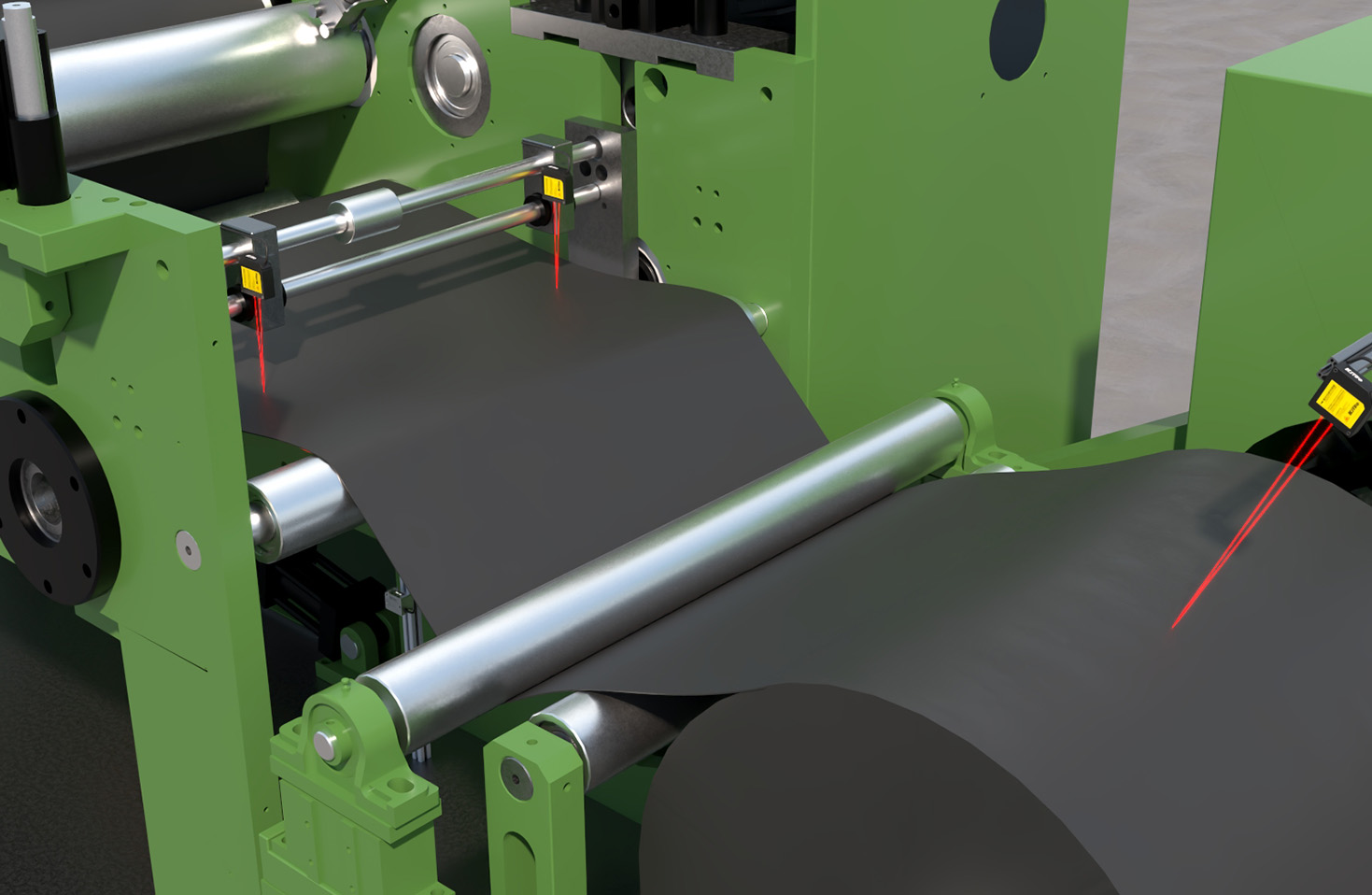
The applications for position laser sensors are vast and transformative. In automotive manufacturing, they are indispensable for measuring panel gaps, verifying robot arm positioning, and inspecting component thickness with micron-level accuracy. The electronics industry relies on them for solder paste inspection, wafer alignment, and verifying the coplanarity of microchip leads. Within the realm of factory automation, these sensors facilitate precise object detection on conveyor belts, robotic guidance for pick-and-place operations, and continuous monitoring of roll diameters in web processing. Their ability to provide real-time feedback is crucial for closed-loop control systems, where instantaneous position data is used to dynamically adjust machinery, ensuring consistent product quality and minimizing waste.
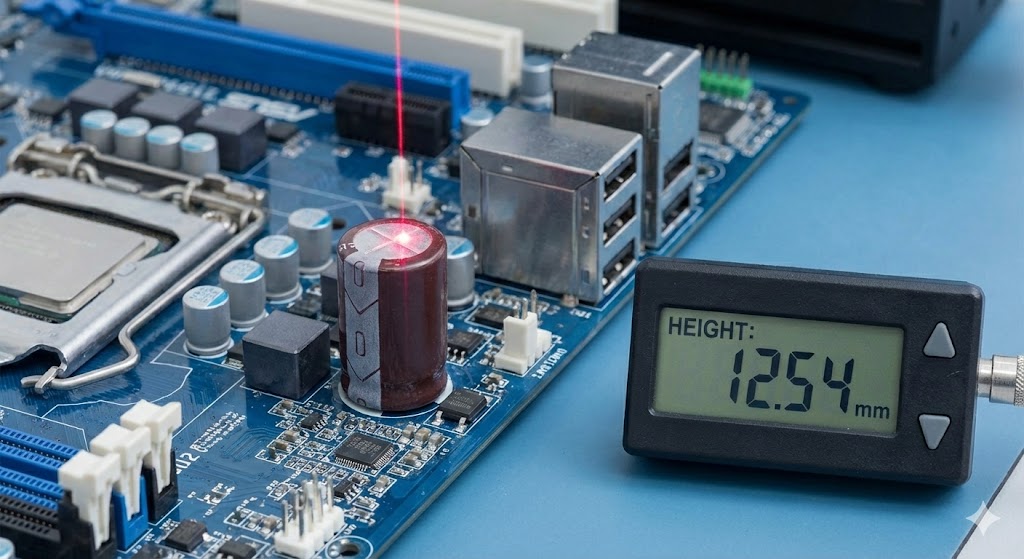
Selecting the appropriate position laser sensor requires careful consideration of several key parameters. Measurement range defines the minimum and maximum distances over which the sensor can operate accurately. Resolution, often in the micrometer or even nanometer range, indicates the smallest detectable change in position. Linearity error specifies the maximum deviation from a perfect straight-line response across the entire range. Furthermore, environmental factors are critical; sensors must be chosen with suitable ingress protection (IP) ratings for dusty or washdown areas and must withstand operational temperatures. The response time, or how quickly the sensor can take and output a measurement, is vital for high-speed production lines. Finally, the output signal type—whether analog voltage/current, digital interfaces like IO-Link, or serial communication—must be compatible with the existing control architecture.
The integration of Industry 4.0 and smart factory concepts has further elevated the role of position laser sensors. They are no longer mere measurement devices but integral data-generating nodes within the Industrial Internet of Things (IIoT). With built-in connectivity and intelligence, modern sensors can perform self-diagnostics, predict maintenance needs, and communicate detailed process data directly to higher-level systems for analytics and optimization. This connectivity enables proactive quality control, traceability, and unprecedented flexibility in manufacturing processes.
In conclusion, position laser sensors are foundational tools for modern precision engineering. Their non-contact principle, coupled with exceptional accuracy, speed, and reliability, solves complex measurement challenges that were once insurmountable. From ensuring the flawless assembly of consumer gadgets to guiding massive robotic arms in heavy industry, these sensors provide the essential "eyes" for automated systems. As technology progresses, we can anticipate sensors with even greater precision, faster response times, and deeper embedded intelligence, continuing to drive innovation and efficiency in automation and quality control worldwide.